Japan Trip Cost 2026: What Does an Individual Trip to Japan Really Cost?
Contents
- Japan trip costs in 2026 – a realistic overview
- The big cost overview: three travel styles
- Costs by length of stay: 10, 14 and 21 days
- The exchange rate in 2026: the underestimated cost factor
- The costs in detail
- Seasonal price differences
- Accommodation costs: from hostel to luxury ryokan
- Where to save – and where to invest
- Common questions about costs
- Our conclusion
“What does a trip to Japan actually cost?” – after “When should we travel?”, this is the question our guests ask us most often. And the short answer is: it depends. A well-considered trip to Japan costs between €2,500 and €15,000 per person in 2026 – depending on travel style, length and season, with no upper limit, and in each case excluding flights, which we deliberately calculate separately. After more than ten years in Japan and countless individually planned journeys, we would like to show you what really shapes your budget, where the hidden costs lie and where you can save with a clear conscience.
The key points in brief
- 14 days, Comfort: around €5,000 per person when travelling as a couple, excluding flights.
- Three travel styles: Economy from around €2,500, Comfort around €5,000, Luxury from €15,000 (each excluding flights) – most guests choose the Comfort range.
- Per day: around €330–370 in the Comfort range, excluding flights. Since the flight is calculated separately here, the daily average stays fairly stable across the length of the trip.
- Exchange rate: currently around €1 = 185 yen. Over the years the rate moves considerably – between 125 and 188 yen since 2022 – and in 2026 it has been calm so far.
- JR Pass: since the price increase it is no longer automatically worthwhile – for the Golden Route, individual tickets are often cheaper.
Are you planning an individual trip to Japan? This article is part of our large overview. You will find the complete guide – with the best time to travel, routes, costs and planning – here: Japan Independent Travel 2026 – the complete guide.
Current situation: the earthquake in Kumamoto of 28 July 2026
All information as of 14 October 2026.
Of the onsen destinations in our overview, only Kurokawa lies in Kumamoto Prefecture; Hakone, Kinosaki, Nyūtō and Yufuin are outside the earthquake area.
Detailed travel advice and sources
On 28 July 2026 at 16:27 local time, an earthquake of magnitude 7.1 struck the south of Kumamoto Prefecture on Kyūshū. In Uki and Hikawa it reached Shindo 7, the highest value on the Japanese intensity scale. The official tally gives, as of 5 October, 38 deaths – including two that may have been caused indirectly by the earthquake – and 43 people seriously injured. 1,288 people are still in emergency shelters, down from almost 10,000 at the peak. Mains water has been available everywhere again since 28 August – more on that below. The number of damaged homes, by contrast, keeps rising: the fire and disaster agency now counts around 70,000, some 25,000 more than on 9 September – not because new damage is occurring, but because the official survey is still working its way through one place after another. Depending on which body you quote, the totals differ widely; the figure we give here is the one from the fire and disaster agency. Our thoughts are with the people there.
For a journey through Japan as a whole, nothing changes. The affected area is the south of Kumamoto – around 900 kilometres from Tokyo and about 500 kilometres from Kyoto. Japan has issued no entry restrictions and no nationwide travel restrictions in connection with the earthquake; outside the south of Kumamoto, travel continues as normal. Official travel advice is something each country issues for its own citizens, so before you book, please look at what your own foreign ministry currently says about Japan – that is what applies to you, not this page.
What currently applies on Kyūshū (as of 14 October; the situation changes daily):
- Kurokawa Onsen itself recorded Shindo 4 and reports no significant damage. According to the village’s most recent statement, dated 29 July, ryokan and shops are working normally; a few individual houses are closed.
- Getting to Kurokawa remains possible – via Fukuoka. The long-distance bus from Fukuoka is operating to schedule as before, and so is the Kumamoto–Fukuoka connection. The trans-Kyūshū bus Kumamoto–Kurokawa–Yufuin–Beppu, which was still cancelled entirely on 29 July and ran only thinned out through August, has been operating in full again since 1 September; Kurokawa is therefore reachable from the direction of Kumamoto as normal once more. Also back since 1 September is the bus line from Kumamoto up to the Aso plateau. The crater itself, however, stays closed: the weather agency lowered the alert level from 3 to 2 on 1 September and the local authorities pulled the cordon back to about one kilometre on 2 September – the plateau is reachable again, the view into the crater is not.
- The interrupted Shinkansen stretch south of Kumamoto has carried through trains again since the first service on 18 September. Two restrictions remain: over about ten kilometres of that stretch the trains still travel at roughly 70 km/h instead of 260, which shifts the times at Kagoshima by a few minutes – southbound you arrive later, northbound the trains depart earlier. And five Sakura and Mizuho services stay cancelled between Kumamoto and Kagoshima.
- The expressway is open along its whole length, and since 13 October no railway line has been interrupted either. The Kyūshū Expressway has carried ordinary traffic along its whole length again since 14 August – the last closed part of it reopened at 6 a.m. One restriction remains: at a damaged bridge south of Kumamoto, the deck of the Fukuoka-bound carriageway is so badly deformed that for about one and a half kilometres both directions share the opposite carriageway. How long that lasts has been quantified since 28 August: the four lanes are not expected back until around the end of 2027. On the South Kyūshū Expressway a further stretch reopened on 18 August; only one short stretch there stays closed: a bridge deck has shifted and left a step of about one and a half metres in the road surface, and according to the operator’s statement of 29 September that stretch is not expected to reopen until around the end of 2028. Anyone who has to get around that gap is routed along ordinary roads, and the toll is adjusted so that leaving the expressway and rejoining it costs no more. For your planning this means Kyūshū can be driven from north to south. The regional trains are running throughout again as well: the line south of Kumamoto has been back in service along its whole length on the normal timetable since 10 October, and a second, separate railway along the west coast has been running along its whole length again since 13 October. This means no railway line remains interrupted by the earthquake.
- On mains water, it is done. On 28 August, one month after the earthquake, supply was restored across the whole disaster area; at the peak around 80,000 connections were without water at the same time. The municipalities had named “by the end of August” as their target and they held it. This is where Japanese recovery can best be judged: a date is rarely given early – but once it is given, it holds. Two qualifications belong to an honest answer: in four districts of Uki the water is still at reduced pressure, and in another town in the south of the prefecture, where only a little over half of households are on the public network, several thousand private wells are damaged and will take years to repair. Neither matters for your journey – for the people there it is the difference between “restored” and “normal”.
How we handle this: For journeys in the coming weeks we look at every Kyūshū section individually. Kurokawa, Yufuin and Beppu have been reachable from the direction of Kumamoto as normal again since 1 September. Kagoshima and Yakushima have been reachable by through Shinkansen again since 18 September; we now factor in a flight only where it fits the schedule better. For Yakushima a second question arises this autumn that has nothing to do with the earthquake: after the heavy rain at the beginning of September the roads up into the mountains were closed. For the road into the best-known valley there is still no date; full repair is expected to take about a year. The other roads up into the mountains, by contrast, have been open again since 16 September, and the compulsory shuttle to the oldest cedar has been running again since 17 September. The island is reachable, but not all of its famous cedar forests are. Because the expressway is open along its whole length, a rental car is an option for the south as well – we will tell you which of the two makes for the calmer few days.
And if something like this falls in the middle of a journey you have already booked? That is exactly the moment we exist for:
- We read the situation where it appears first. Transport operators, the weather agency and the prefecture publish in Japanese – often hours before any of it shows up in English, and some of it never does. We check every day, not only once you ask.
- We talk to your ryokan – in Japanese and directly. Whether a house waives the cancellation fee after a natural event, or moves your booking free of charge, differs from house to house and is rarely written into the booking conditions. We ask on your behalf and tell you honestly what comes of it.
- We rebuild the route instead of deleting days. If one section drops out, we propose an equivalent one – the same idea, a different region – and take care of the new overnight stays and connections while the rooms are still free. That is why we get in touch early and not on the day of travel.
- While you are travelling, we are in the same time zone as you. If a train is cancelled in the evening, the answer does not have to wait for the next morning in Europe.
If you are planning a journey with us, or have already planned one, please talk to us: we will tell you openly what is realistic for your travel dates – including when the honest answer is to move them. Please do not rely on this page alone for your travel arrangements; shortly before you set off, check the official sources.
Sources: Japan Meteorological Agency (JMA), portal on the earthquake, Cabinet Office / fire and disaster agency, situation report of 5 October, Kurokawa Onsen, statement of 29 July, JR Kyūshū, resumption of through Shinkansen service on 18 September and amended timetable (announced 31 August), regional line south of Kumamoto on the normal timetable from 10 October (announced 24 September), Hisatsu Orange Railway, resumption along its whole length on 13 October (6 October), Kyūshū Sankō Bus, timetable situation (1 September), NEXCO West, 17th situation report (13 August): reopening of the Kyūshū Expressway (PDF), Reopening on the South Kyūshū Expressway on 18 August (Car Watch, 17 August), NEXCO West, restoration of the four lanes towards the end of 2027 (28 August, PDF), NEXCO West, reopening of the closed bridge on the South Kyūshū Expressway towards the end of 2028 (29 September) All information as of 14 October 2026.
Japan trip costs in 2026 – a realistic overview
If you would like to keep just one figure in mind: a mid-range 14-day trip to Japan costs around €5,000 per person in 2026 when travelling as a couple, excluding flights. Anyone travelling frugally manages with around €2,500. Anyone who would like to treat themselves starts at €15,000 and has no upper limit. We deliberately calculate the international flight separately.
This range surprises many of our guests – and rightly so. Japan has changed in two opposite directions in recent years: the weak yen makes life on the ground less expensive for Europeans than it was ten years ago. At the same time, flights, hotels and Shinkansen tickets have become noticeably more expensive. On balance, Japan remains in 2026 one of the destinations in Asia with the best value for money for travellers from Europe who love to travel – provided you plan wisely. Whether a booked package tour ends up cheaper than an individually planned journey is something we work through with concrete examples in our article Package Tour or Independent Travel?.
The big cost overview: three travel styles compared directly
For 14 days per person, travelling as a couple and excluding flights, the three common travel styles come to around €2,500 (Economy), €5,000 (Comfort) and from €15,000 (Luxury) in 2026. We deliberately calculate the international flight separately (see the section “Flights to Japan” further below), because its price fluctuates considerably depending on the season and on when you book. Japan can therefore be travelled on practically any budget – what changes is the experience. The following table shows the realistic reference values in detail (as of July 2026).
| Category | Economy | Comfort | Luxury |
|---|---|---|---|
| Accommodation (13 nights) | €1,000–1,500 | €2,500–4,000 | €6,000–12,000 |
| Transport (Shinkansen/IC) | €400–500 | €500–700 | €800–1,200 (Green Car) |
| Food (3 meals a day) | €500–700 | €800–1,200 | €1,500–3,000+ |
| Entrance fees & activities | €200–300 | €400–600 | €800–1,500 |
| Other (SIM, luggage, insurance) | €100–150 | €150–250 | €300–500 |
| Total per person (excluding flights) | approx. €2,500 | approx. €5,000 | from €15,000 |
What the travel styles mean in practice
- Economy (approx. €2,500): simple business hotels or good hostels, many meals in ramen shops and konbini, Shinkansen in standard class. A wonderful journey – if you are willing to trade comfort for flexibility.
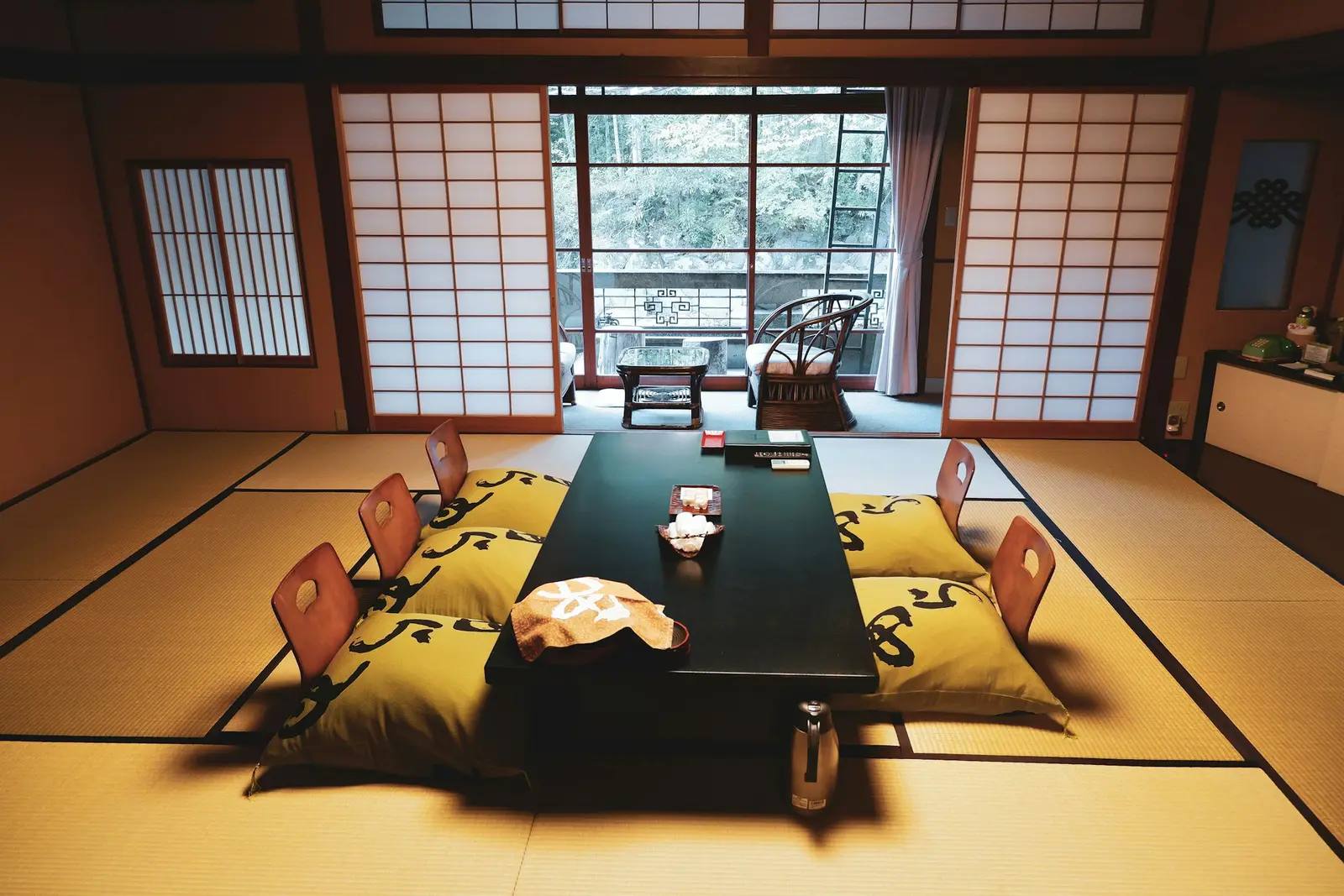
- Comfort (approx. €5,000): centrally located 4-star hotels, one or two nights in a good ryokan, a combination of everyday and special restaurants. This is the range most of our guests choose – and for good reason.
- Luxury (from €15,000): luxury hotels or top-tier ryokan with a private onsen, Michelin restaurants, private transfers, special guided visits. Here travel and experience merge into something that resonates for a long time.
The right budget for your dream journey
Every journey is different. Tell us what you have in mind, and we will work out transparently what your individual trip to Japan would actually cost – with no hidden mark-ups and no obligation.
Request a free budget consultationCosts by length of stay: 10, 14 and 21 days
In the Comfort range, expect per person – excluding flights – around €3,700 for 10 days, €5,000 for 14 days and €7,500 for 21 days. Once the flight is taken out of the calculation, the daily average stays fairly stable at around €360 across all lengths of stay, because the largest single expense – the flight – is no longer included. For the total sum, the length of the journey therefore remains the most important lever: every additional day costs roughly the same.
| Length | Economy | Comfort | Per day (Comfort) |
|---|---|---|---|
| 10 days | approx. €1,900 | approx. €3,700 | €370 |
| 14 days | approx. €2,500 | approx. €5,000 | €360 |
| 21 days | approx. €3,600 | approx. €7,500 | €360 |
Our advice: anyone taking on the long flight to Japan should ideally stay at least 14 days. Among our guests the average length of stay is 18 days – and almost all of them say afterwards that they would gladly have stayed longer. You will find a detailed route suggestion in our article Japan Itinerary 2 Weeks 2026.
The exchange rate in 2026: the underestimated cost factor
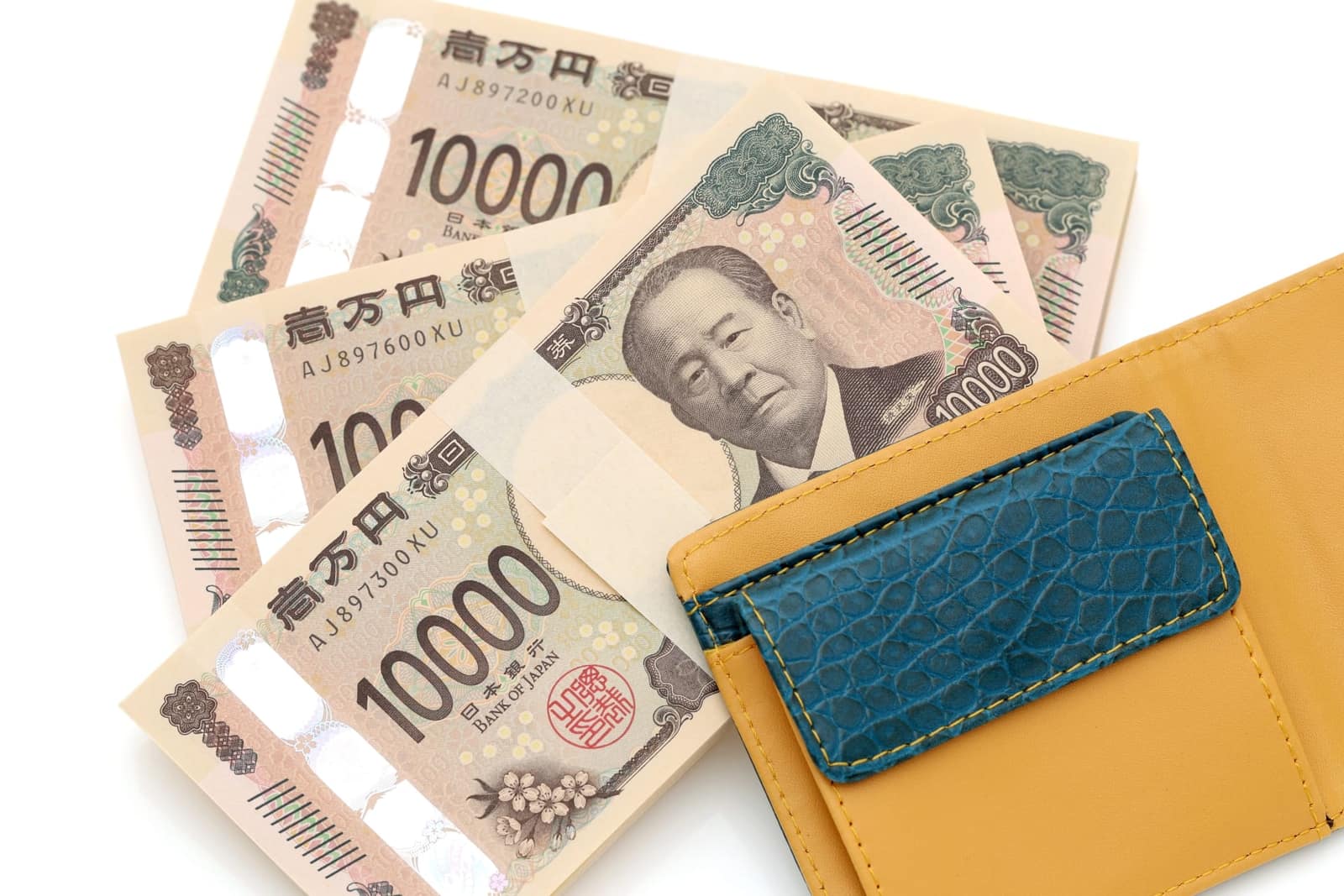
The EUR/JPY exchange rate is one of the most important and at the same time most frequently overlooked variables in your budget. It currently stands at around €1 = 185 yen (ECB reference rate, as of 20 July 2026). Within this year it has been remarkably calm – between 181 and 188 yen – but over longer periods it moves considerably: since 2022 the range has run from around 125 to just under 188 yen per euro. Anyone who booked in the spring of 2022 therefore paid almost half as much again in euros for the same bill in yen as they would today.
In concrete terms: a hotel room for 25,000 yen currently costs you around €135. If the euro were stronger (200 yen), it would be only €125. If the euro weakens (170 yen), it suddenly becomes €147. Over a two-week journey, a difference like that quickly adds up to several hundred euros – without anything at all changing in your programme.
What you can do in practice
- Pay with a travel credit card that has no foreign currency fee. Providers such as Revolut or Wise offer the official interbank rate without a mark-up. With an ordinary credit card you often pay an additional 1.5 to 2%.
- Do not exchange yen at the airport in Japan. 7-Eleven cash machines are available around the clock at around 27,000 locations and accept the common foreign cards (Visa, Mastercard, JCB, Amex, UnionPay) at noticeably better rates than the airport exchange counters. In more rural regions, Japan Post machines in post offices are a reliable alternative – although with limited opening hours (usually 7:00 to 23:00) and a withdrawal limit of 50,000 yen per transaction.
- Book early, but convert late. Settle flights and hotels in euros; on the ground, withdraw small amounts from a cash machine each day rather than exchanging large sums in advance.
- Plan a cash reserve: 20,000–30,000 yen (around €110–160) in cash for small restaurants, rural regions and shrine entrance fees – payment there is often still made in cash.
The costs in detail: where does your budget go?
1. Flights to Japan
For most travellers the flight is the largest single item – and the reason why we deliberately show it separately in the reference values above: prices fluctuate too much with the season and the time of booking to be packed sensibly into a single figure. From a major European airport to Tokyo (Narita/Haneda) you pay the following in 2026:
- Economy, with a connection: €900–1,200 (low season), €1,400–1,800 (high season: April, August, December)
- Economy, direct flight: around €300 more than a connecting flight
- Premium Economy: €1,400–2,000 – worth considering for a flight of around 12 to 13 hours
- Business Class: €3,500–8,000 depending on the airline and the time of booking
Our tip: the lowest fares are often found 4 to 6 months before departure. For the cherry blossom (late March to early April) we recommend booking 8 to 10 months in advance. Airlines such as ANA, JAL, Lufthansa and Turkish Airlines fly to Japan regularly.
2. Accommodation
Accommodation costs vary considerably by region, season and style. Tokyo and Kyoto are 20–30% more expensive than Osaka or smaller towns. For a detailed overview of ryokan, we have published a separate ryokan guide.
| Type of accommodation | Price per night (2 people) | When it suits |
|---|---|---|
| Hostel / capsule | €40–80 | Young travellers, solo travel, short stays |
| Business hotel (3★) | €80–140 | Practical, clean, centrally located |
| Comfort hotel (4★) | €180–320 | Pleasant travel, good location |
| Classic ryokan | €200–400 (incl. 2 meals) | An authentic experience |
| Luxury hotel (5★) | €400–900 | Special occasions, long stays |
| Luxury ryokan with private onsen | €800–2,500 (incl. 2 meals) | Honeymoons, anniversaries |
3. Transport: Shinkansen, JR Pass and local tickets
Japan has the best railway system in the world – but since the large price increase in October 2023 (+70%) the Japan Rail Pass is no longer automatically worthwhile. For a classic Golden Route (Tokyo → Kyoto → Hiroshima → Osaka) you often come off better with individual tickets than with the all-in pass.
Prices when buying through the official online site (as of July 2026, standard class for adults):
- JR Pass 7 days: 50,000 yen (approx. €270)
- JR Pass 14 days: 80,000 yen (approx. €432)
- JR Pass 21 days: 100,000 yen (approx. €540)
- Single ticket Tokyo–Kyoto (Shinkansen Nozomi, reserved seat): approx. 14,000 yen (€76)
- Single ticket Kyoto–Hiroshima: approx. 11,900 yen (approx. €64)
Important for purchases from October 2026: on 1 October 2026 prices will rise – but not everywhere. Anyone buying the pass through an agency outside Japan will then pay 84,000 yen (approx. €454) for 14 days instead of 80,000 yen; 53,000 instead of 50,000 for 7 days and 105,000 instead of 100,000 yen for 21 days. On the official online sales site of the JR Group, by contrast, the previous prices remain in place for now – the railway companies want to encourage online purchases in this way. They have not named an end date, but the words “for now” expressly leave a later alignment open. If you are going to book online anyway from October, you save around €22 on a 14-day pass; our advice is therefore simply this: buy online rather than through an agency – and briefly compare the price by both routes before you buy. Further information on the official Japan Rail Pass website.
4. Food and drink
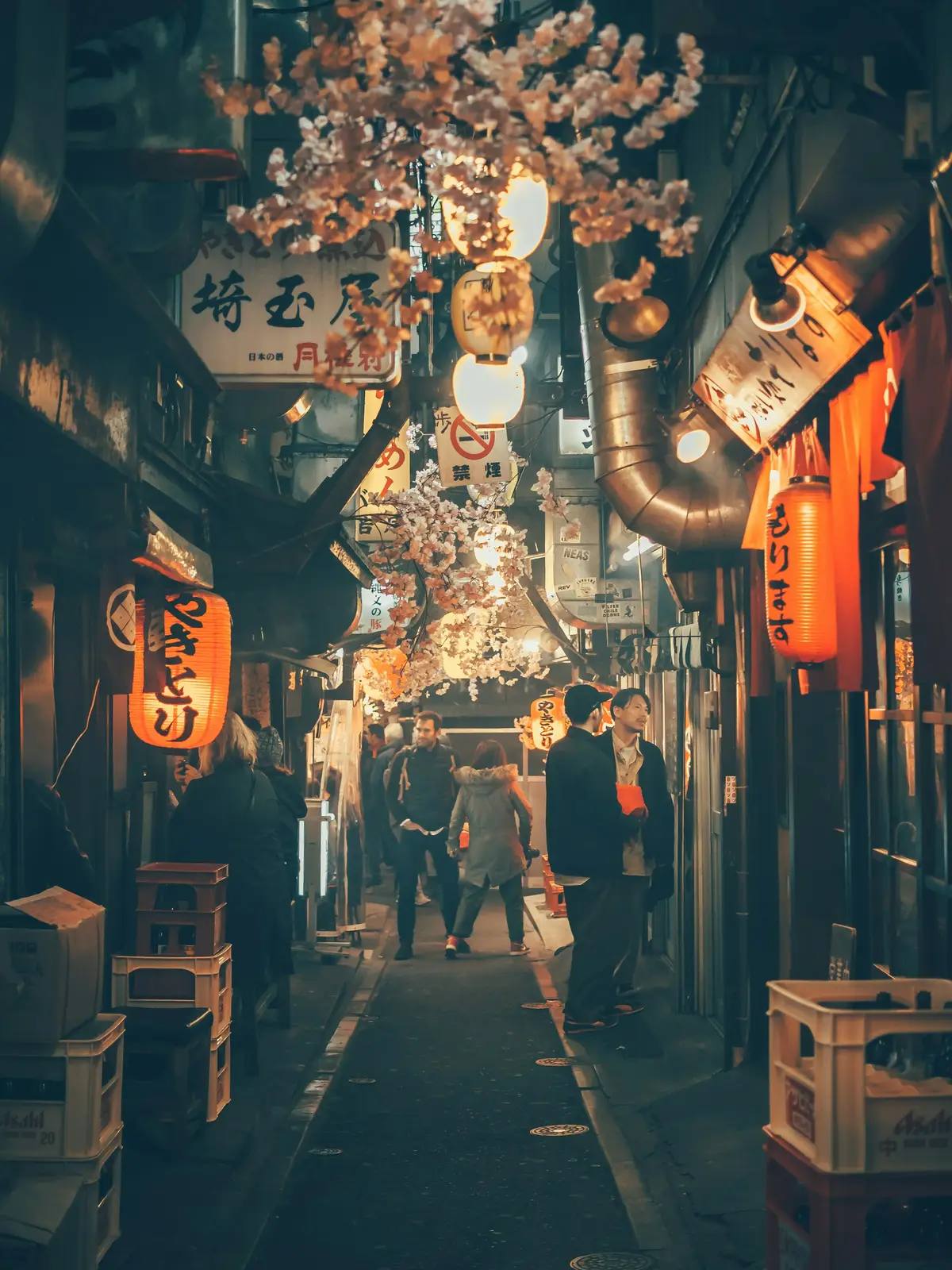
This is where our guests are surprised again and again: eating in Japan is often less expensive than in much of Europe – if you know where to eat. The famous teishoku sets (a main dish, rice, miso soup, tsukemono) cost 900–1,500 yen (€4.90–8.10) at lunchtime and are excellent. Konbini onigiri for 120–200 yen (€0.65–1.10) are not a last resort but everyday food for people in Japan.
| Meal | Inexpensive | Comfort | Fine dining |
|---|---|---|---|
| Breakfast | Konbini €3–5 | Café €8–15 | Hotel buffet €25–40 |
| Lunch | Ramen / teishoku €7–10 | Restaurant €15–25 | Sushi omakase from €40 |
| Dinner | Izakaya €15–25 | Restaurant €30–60 | Kaiseki / omakase €80–250 |
5. Entrance fees and activities
Japan is surprisingly inexpensive when it comes to sights. Entrance fees for temples and shrines are usually between 300 and 800 yen (€1.60–4.30). A few highlights cost more: the Ghibli Museum (reservation required) around 1,000 yen (€5.40), teamLab in Tokyo from 3,800 yen (from €20.50; depending on the day of the week, up to around 5,000 yen). Private guided walks through districts such as Asakusa or Gion cost €40–80 per guest. For two weeks, budget €200–300 per person for entrance fees and activities in the Economy range and €400–600 in the Comfort range; in the Luxury range it comes to €800–1,500 (see the overview table above).
6. Additional costs that are often forgotten
- Japanese eSIM (2 weeks, unlimited): approx. €25–40 – considerably more convenient than pocket WiFi for people travelling alone
- Takkyubin luggage forwarding between hotels: approx. €12–18 per suitcase and route
- Travel insurance including international health cover: €30–80 for 2 weeks
- Tips in a ryokan (optional): not really customary in Japan, but in luxury houses a nakai-san gratuity of 2,000–5,000 yen (€11–27) is occasionally given
- Souvenirs and shopping: realistically €200–800 depending on travel style
7. New levies and entrance fees: what has changed in 2026
2026 is a year of small adjustments for Japan: new levies, new entrance fees, a new tax-free procedure. Individually the amounts are small – in total they usually add up to €50 to €80 per person on a two-week journey, and easily to three figures with luxury accommodation in Kyoto. They almost never appear in guidebooks.
- Departure tax: now 3,000 yen. Since 1 July 2026 the international tourist levy has been 3,000 yen (around €16) instead of the previous 1,000 yen – per departure. It is collected through the airfare, so you pay nothing extra at the airport. If your ticket was still issued by 30 June 2026, the old rate of 1,000 yen applies – what counts is the date the ticket was issued, not the date of travel.
- Accommodation tax – very different from region to region. It is charged per person per night on the pure accommodation price and depends on the room rate. It is most noticeable in Kyoto, which raised its rates considerably on 1 March 2026: 200 yen below 6,000 yen, 400 yen from 6,000 yen – and at the top end 10,000 yen (around €54) from a room rate of 100,000 yen. In Osaka it is 200–500 yen, in Tokyo currently 100–200 yen, and in Hiroshima Prefecture such a tax has existed for the first time since April 2026 (200 yen from 6,000 yen). For simple and mid-range houses this remains a footnote; anyone staying in a luxury ryokan in Kyoto is better off planning for it. In Kyoto it is now almost always shown separately on the bill – so do not be surprised if a small amount is added at check-out.
- Tax-free purchases from November: pay first, then get a refund. Until the end of October 2026 you buy in the shop directly without value added tax. From 1 November 2026 you first pay the full price including VAT (10%, or 8% on food) and have the amount refunded after the customs check on departure. There is no transition period: on 31 October the old procedure applies, on 1 November the new one. Three details decide whether this works: departure must take place within 90 days of the purchase; the check takes place before you hand over your luggage – suitcases that have already been checked in will not be retrieved for it; and you must still have all the goods from one receipt with you. This is exactly where the most expensive trap lies: the check is carried out per receipt, and if even a single item is missing – the sweets you ate on the way, the cream you used up in Japan – the refund is lost for the entire purchase, not just for that one item. So if you pay for gifts to be eaten and gifts to be taken home at the same till, you risk both. The simplest solution: pay separately. Conversely, you can be reassured about using things: what matters is not whether you have used an item, but whether you can still present it at the airport. Clothing, shoes, bags or electronics may be worn and used in Japan without any problem – as long as you take them home in the end, the refund remains valid. Only with consumables (food, cosmetics, medicines) does partial use already count as “no longer present”. Purchases remain tax-free from 5,000 yen (net) per shop and day; in return, the previous sealed bags for consumables and the upper limit of 500,000 yen are dropped. How and when the money is paid back – bank transfer, credit card, cash at the airport – is decided by each shop itself; for larger purchases it is best to ask directly at the till. At the major airports (Narita, Haneda, Kansai, Chūbu, New Chitose, Fukuoka, Naha) the customs confirmation can also be completed online via Visit Japan Web instead of queuing at a machine. In practical terms for your budget: calculate with gross prices during the journey and with the refund only afterwards.
- Climbing Mount Fuji: 4,000 yen. Anyone starting the climb from the fifth station pays 4,000 yen (around €22) on all four routes – the amount is due at the gate, regardless of whether you actually reach the summit. The season ends on 10 September; depending on the route it begins on 1 or 10 July. For the view of the mountain you pay nothing – neither at Lake Kawaguchi nor from the Shinkansen window, where between Mishima and Shizuoka it looks surprisingly close for a few minutes.
- Himeji Castle: tiered admission. Since March 2026, as a visitor from elsewhere you pay 2,500 yen (around €13.50); anyone living in the city of Himeji pays 1,000 yen. The distinction is made by place of residence, not by nationality – Japanese guests from Tokyo or Osaka therefore pay exactly the same price as you. Admission is free for those under 18.
On balance this remains manageable: with the exception of the customs confirmation for tax-free shopping, there is nothing you have to apply for or prepare; the amounts run through the airfare, the hotel bill or the till in the shop. And compared with 2022, the yen rate alone offsets these surcharges many times over.
Sources for this section: Information page of the Japan Tourism Agency for travellers on the tax-free system (as of July 2026) – the new refund procedure, the 90-day deadline, the check per receipt, the 5,000 yen threshold and the removal of special packaging and the upper limit; it also lists the airports at which confirmation via Visit Japan Web is possible, Official questions and answers for tax-free shops – the distinction between consumables and other goods, which may be used before departure, Press release of the JR Group of 9 April 2026 – the Japan Rail Pass price adjustment on 1 October 2026 and the prices that remain unchanged for now in the official online sale
Seasonal price differences: when Japan is inexpensive
When you travel decides over hundreds – sometimes thousands – of euros. The high seasons have their price:
| Season | Period | Price premium |
|---|---|---|
| Cherry blossom (sakura) | Late March – mid-April | +30 to +50% |
| Golden Week | 29 April – 6 May | +40 to +70% |
| Autumn leaves (koyo) | Mid-October – end of November | +20 to +40% |
| New Year | 28 December – 5 January | +40 to +80% |
| Low season | January–February, June, September | Base price down to −20% |
For travellers with some flexibility we recommend the “shoulder seasons”: early March (before the sakura) and early December (after the koyo) offer mild weather, smaller crowds and noticeably lower prices. You will find a deeper analysis of the seasons in our article Best Time to Visit Japan 2026.
Accommodation costs: from hostel to luxury ryokan
Accommodation is the most flexible item in your budget – and this is where careful thought pays off. A night in a simple business hotel and a night in a traditional ryokan may cost the same, but they offer completely different experiences.
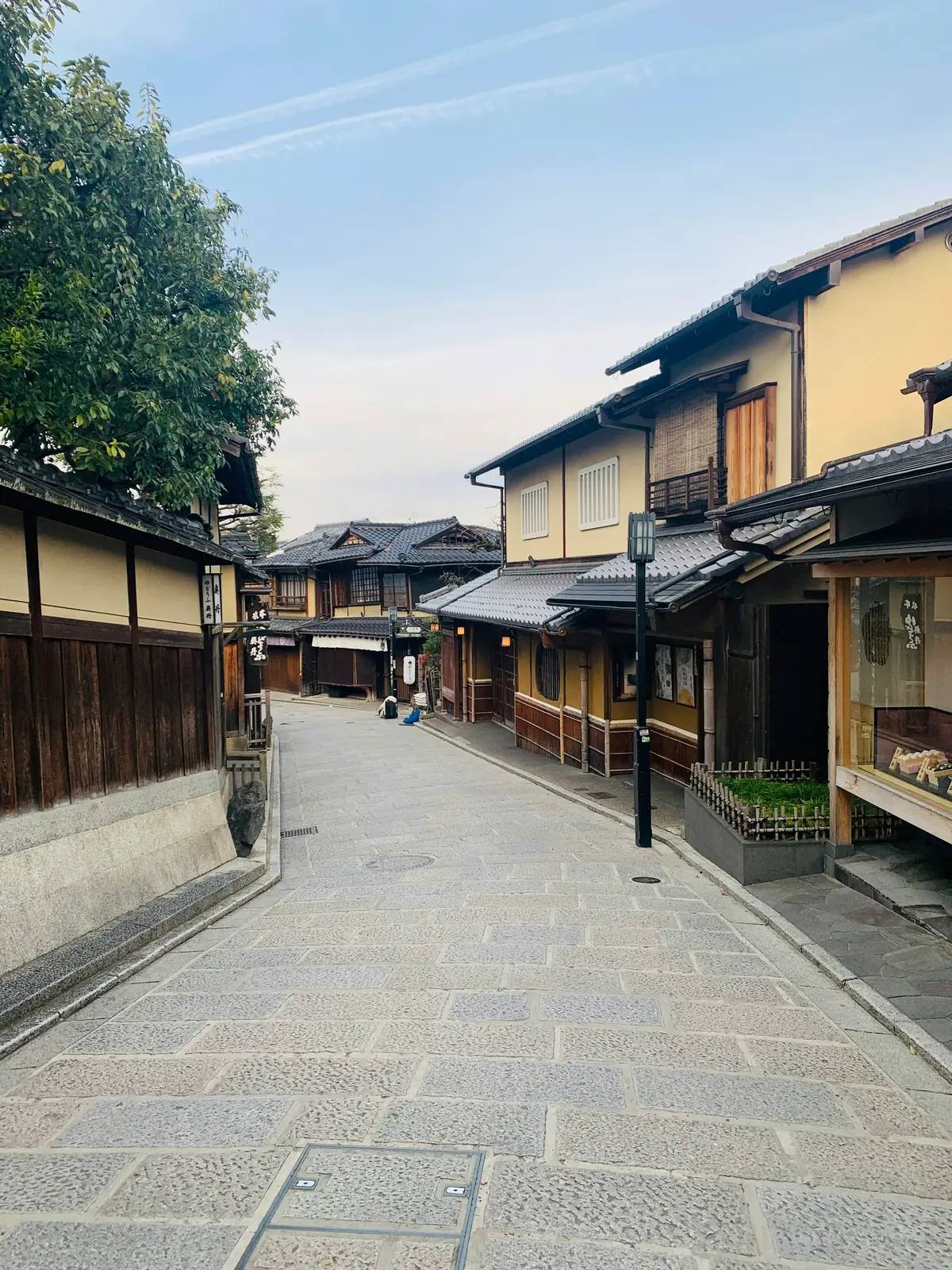
Our recommendation for a 14-day journey in the Comfort range: 10 to 11 nights in good business hotels or 4-star city hotels, plus 2 to 3 nights in carefully chosen ryokan. That way you experience both the efficiency of modern hotels and the unmistakable atmosphere of traditional inns. You will find a comprehensive ryokan guide with everything about kaiseki, onsen and etiquette in our corresponding article.
Types of hotel that make particular sense in Japan
- Business hotels (APA, Tōyoko Inn, Dormy Inn): practical, clean, reliable. Dormy Inn often has its own onsen – a genuine insider tip.
- City apartments (Mimaru, Citadines): good for families or longer stays in one city.
- Ryokan and onsen hotels: in Hakone, Kinosaki, Kurokawa, Nyuto or Yufuin – the unforgettable Japan experience. Kinosaki and Kurokawa have become very popular in recent years; depending on the travel season, early reservation is advisable.
- Boutique hotels: particularly well represented in Kyoto, often in renovated machiya houses.
Where you can save – and where you should invest
After more than a decade of accompanying travellers through Japan, one thing has become clear to us: those who save deliberately and invest deliberately do better than those who push down the price everywhere. Here are our recommendations:
Good places to save
- Lunch: many top restaurants offer the same cuisine at lunchtime for a third of the evening price. A sushi lunch in a traditional house costs 3,000–5,000 yen (€16–27) instead of 8,000–15,000 yen in the evening.
- Transport for short distances: a Suica or ICOCA card for underground trains, buses and konbini – do not use the JR Pass only for the Shinkansen.
- Comfort hotels outside the main district: one or two underground stops from the centre, hotels are 20–30% cheaper and the journey time stays short.
- Low season for flights: January, February and June are among the least expensive months – and they are attractive thanks to mild weather.
Places where it pays to invest
- At least one night in a ryokan with an onsen. Better one night fewer, but the right night. This is an experience you will not find anywhere else in the world.
- One special culinary experience. An omakase sushi, a kaiseki menu, a kaisen teppanyaki (seafood on the hot iron plate) – these are moments you will still be telling people about years later.
- A private guide for one day. Having an expert in Kyoto or Tokyo who leads you away from the crowds changes the way you see the city.
- Enough time. Better 18 days at an unhurried pace than 12 days under pressure. In Japan, time is the best investment.
Getting the most out of your budget
We help you get the maximum out of your travel budget – with accommodation, restaurants and experiences that we know personally and check for value for money.
Request individual planningCommon questions about costs
What does a two-week trip to Japan cost?
Per person when travelling as a couple, excluding flights (as of 2026): Economy around €2,500, Comfort around €5,000, Luxury from €15,000. We deliberately calculate the international flight separately, because airfares differ considerably depending on the season and on when you book. Most of our guests choose the Comfort range, with centrally located 4-star hotels, one or two nights in a ryokan and a mix of everyday and special restaurants. You will find a detailed 14-day route in our article Japan Itinerary 2 Weeks 2026.
What does a three-week trip to Japan cost?
Per person when travelling as a couple, excluding flights (as of 2026): Economy around €3,600, Comfort around €7,500, Luxury from €22,500. Here, too, we deliberately calculate the international flight separately, because its price fluctuates considerably depending on the season and on when you book. Twenty-one days is the length of stay that many of our guests describe afterwards as ideal. You can read more about it in Japan Itinerary 3 Weeks 2026.
What does a trip to Japan cost for two people?
The figures in this article are per person when travelling as a couple, in each case excluding flights. For a couple in the Comfort range, that means around €10,000 in total for 14 days. Anyone travelling alone pays around 15–20% more per person, because hotel rooms and ryokan stays are usually charged per room. Families with children can save on the Shinkansen – children under 6 often travel free of charge, and 6- to 12-year-olds pay half price.
What does Japan cost per day?
Excluding flights, in the Comfort range (a good 4-star hotel, a variety of restaurants, Shinkansen standard class), expect around €330–370 per person per day. In the Economy range (business hotel, ramen and konbini, local trains) the daily budget is €170–190. Luxury starts at around €1,100 per day. Since the flight is not included here, the daily average stays fairly stable across the length of the trip.
Is the Japan Rail Pass still worth it in 2026?
Not automatically any more. Since the 70% price increase in October 2023 and the further increase from October 2026 (a 14-day pass then costs 84,000 yen when booked outside Japan), the pass only pays off from around six long-distance journeys. For the classic Golden Route (Tokyo–Kyoto–Hiroshima–Osaka), individual tickets are usually cheaper. For three-week journeys covering several regions or extending to Kyushu, the pass is still worthwhile – or a regional pass such as the All Kyushu Pass.
How much cash should I bring?
For a two-week stay, 30,000–50,000 yen in cash (around €160–270) is enough. The rest can be paid without difficulty by credit card, or withdrawn on the spot from 7-Eleven or Japan Post machines. The latter accept almost all European cards. In the countryside and at small shrines, payment is sometimes still accepted in cash only – so a small reserve is advisable.
Can I pay by credit card?
In Tokyo, Kyoto, Osaka and Fukuoka this is possible almost everywhere today – Visa and Mastercard are usually accepted, American Express less often. In smaller towns, in soba restaurants or at traditional shrines, however, you will regularly come across cash only. A travel credit card without foreign transaction fees is almost indispensable.
How large a buffer should my travel budget have?
We recommend planning 10–15% of the total budget as a buffer – for spontaneous experiences, unforeseen costs or short-term exchange rate fluctuations. With a budget of €5,000, that would be €500–750. If you never have to draw on it, you are left with a pleasant cushion for souvenirs.
Is travel insurance worth it?
Absolutely. The cost of medical treatment in Japan can quickly reach four figures for foreign visitors – international health insurance and trip cancellation insurance for €30–80 are among the best investments of your journey. Make sure the policy covers typhoon damage and flight cancellations.
Is Japan expensive for families?
Yes and no. For families with two children (aged 8 and 12) we calculate around €3,800 per person in the Comfort category, excluding flights – that is roughly €15,000 in total for 14 days. Children under 6 often travel free of charge on the Shinkansen, and 6- to 12-year-olds pay half price. Many ryokan and hotels also offer special family packages with a kashikiri-buro (a private family bath). What matters beyond the costs for a relaxed journey with children – from choosing the route to choosing the right time of year – is set out in our family guide, Japan with Children.
Is it worth commissioning a travel planner?
That depends on what you value. If you enjoy doing the research yourself and have plenty of time, you can plan your journey beautifully on your own. But if your time is limited – or if you would like a special journey without missteps – a planner on the ground like us often gains you more than the service fee costs: better accommodation for the same price, insider restaurants, seamless transfers and the certainty that someone is reachable in an emergency.
Further reading
Our conclusion
A trip to Japan in 2026 is not a cheap journey – but, budget for budget, it is one of the most rewarding travel experiences you can have. Whether you travel with €2,500 per person in the Economy range, with €5,000 in the Comfort segment or with €15,000 and more in the luxury range (in each case excluding flights) – the country will reward you in every case with impressions that stay with you for a long time.
The most important advice at the end: plan transparently. Decide what matters to you, know the hidden cost items (exchange rate, the logic of the JR Pass, seasonal surcharges) and set aside a buffer. Japan rewards people who shape their journey consciously – not those who spend the most.
We are Japan Privat: a Japan-based tour operator for individual journeys through Japan, advising you in English. If you like, we will plan your journey together.
Ready to plan your Japan budget in concrete terms
Tell us what you have in mind – length of stay, style, interests. We will work out transparently what your individual trip to Japan costs, and show you where you get the most for your budget. Free of charge and without obligation.
Book a free 30-minute consultationAbout the author

Kentaro Asakura
Founder of Japan Privat · A Japan specialist who guides you in English
Kentaro Asakura was born and raised in Japan. His student years took him first to the UK, where English became second nature to him, and later to Munich, where he met his wife, who is German – together they returned to Japan. With Japan Privat, he has been designing individual journeys for European travellers for more than ten years – in English, with the eyes of a local and a genuine feel for what guests from Europe are looking for.