Japan Independent Travel 2026 – Your complete guide to a journey made to measure
Contents
Japan opens up to those who take their time. The closer you look, the more there is to discover – and that is exactly what makes a journey here so special. It is also why so many travellers face a quiet question at the very first stage of planning: the organised group tour, where everything is arranged for you – or the independent journey through Japan, where you decide for yourself when you stand in a silent temple garden in the morning and when you let the evening carry you through the lanes of Osaka?
The key points in brief
- Best time to travel: for a first trip, spring (cherry blossom) and autumn (autumn leaves) are the most popular – mild and atmospheric, but also the busiest.
- Length: two weeks is the classic choice and ideal for most first-time visitors; three weeks open the door to a second region.
- Cost: a comfortable 14-day journey comes to around €5,000 per person in 2026, excluding flights.
- Lead time: we recommend six to nine months, and rather earlier in the high seasons.
- Visa: citizens of most European countries need no visa for stays of up to 90 days – only a valid passport.
This guide is for everyone who leans towards the second answer. For discerning travellers from across Europe who do not want to tick Japan off a list but to experience it – at their own pace, with room for the unexpected.
We have lived in Japan for more than ten years and plan independent journeys through Japan for guests from Europe. On this page you will find the complete overview: the best time to travel, sensible routes for two or three weeks, the loveliest places to stay, realistic figures for your budget and the course of good planning. Each topic is explored in more depth in an article of its own, which we link at the appropriate points.
An independent journey through Japan does not have to be complicated. It only needs the right decisions – made in the right order. Let us begin.
Why travel Japan independently: tour or tailor-made
Travelling independently means that you set the pace and see the quiet places as well, instead of moving to the rhythm of a group – the price for this is more planning effort, although that effort can be handed over to someone who knows the country. A package tour, by contrast, takes decisions off your hands – that is its promise and at the same time its limit. The bus leaves when the bus leaves. Lunch is settled before you know whether you have any appetite for a set menu that day. You see a great deal, but you see it at the pace of the group.
An independent journey through Japan turns this relationship around. You decide whether you stay three nights in Kyoto or five. Whether you visit the famous shrine at blue hour, when the coaches have long since gone. Whether you set aside an entire day for a pottery village in the mountains that appears in no guidebook.
The price of this freedom is effort. For those who plan on their own, Japan is more demanding than many expect: a great deal takes place in Japanese, the loveliest ryokan are fully booked months in advance, and the rail system is superb – but not self-explanatory. This is precisely where the difference lies between planning alone and travelling independently. You do not have to work everything out yourself in order to experience a journey that is truly your own.
| Aspect | Package tour | Independent journey |
|---|---|---|
| Pace | Set for you | You decide |
| Flexibility | Low | High |
| Authenticity | Standardised highlights | The quiet places as well |
| Language barrier | Taken off your hands | Manageable – with preparation |
| Planning effort | Low | Higher – or delegated |
| Cost | Often lower per day | Flexible: modest to luxurious |
We have worked through this comparison in detail elsewhere – with concrete example journeys, prices and the question of who is better served by a package tour after all: Package tour or independent travel? Japan compared.
When is support worthwhile? Whenever you want the freedom of an independent journey without spending weeks on research – or when the certainty of someone who knows the country matters to you for a particular booking. Read here when exactly a Japan specialist is worth it.
When to travel: the best season of the year
There is no bad time to travel in Japan – only seasons that suit you to different degrees. This choice often shapes your journey more strongly than any single destination.
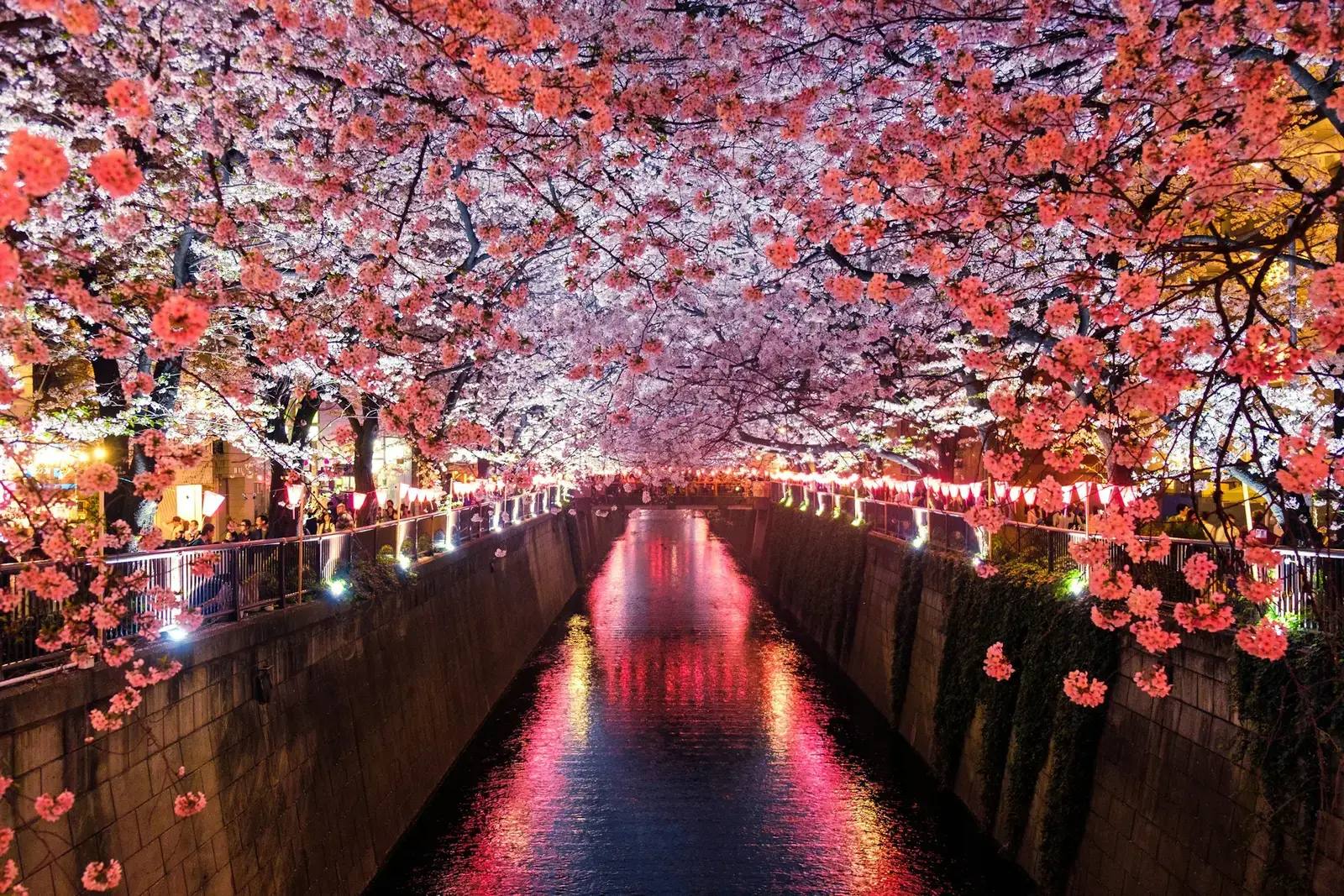
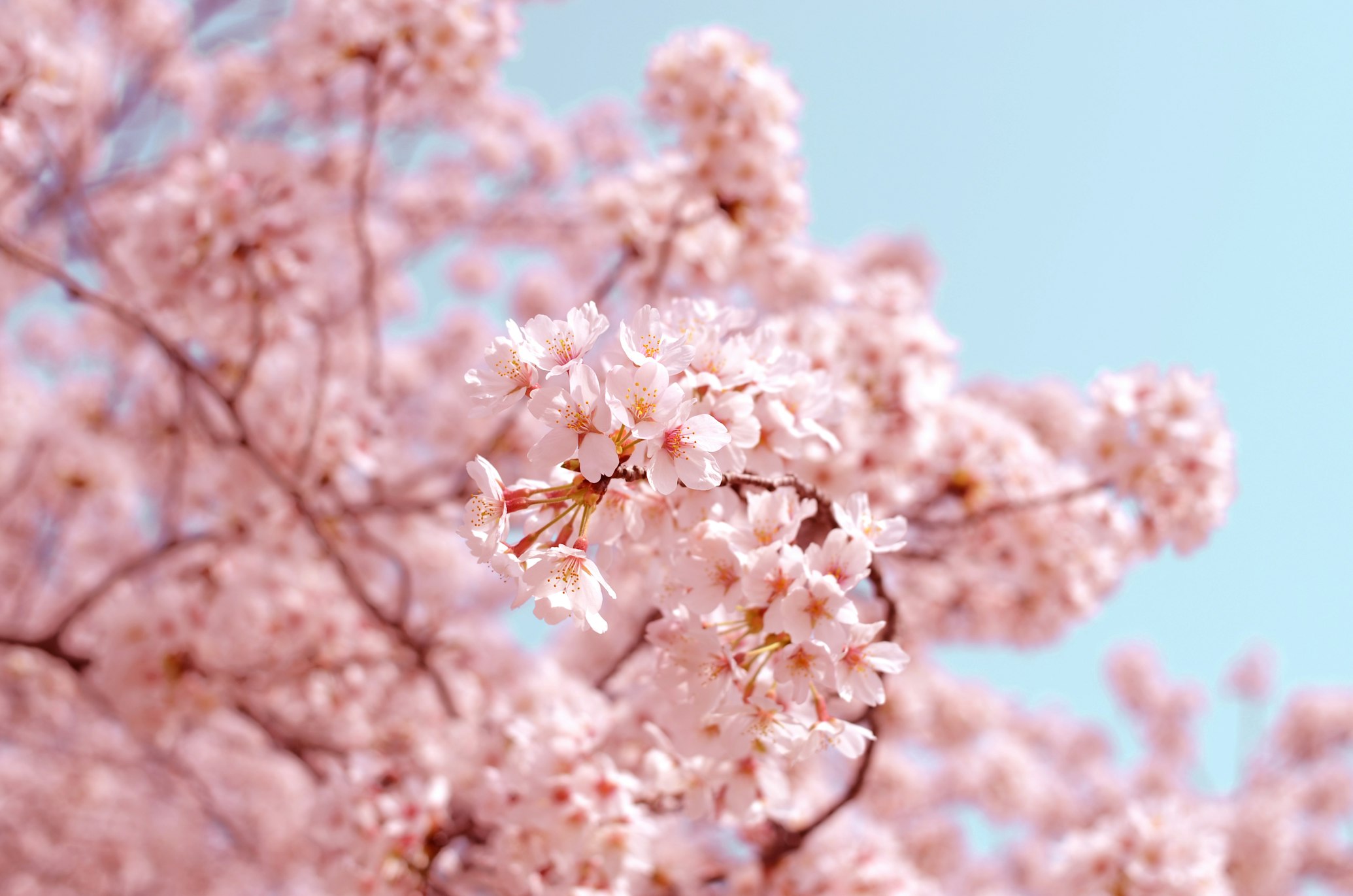
Spring (March to May) belongs to the cherry blossom. It is the most romantic and at the same time the busiest season of the year; anyone who wishes to experience it should plan early. Summer (June to August) begins with tsuyu, the rainy season, and later brings the typhoon season – and is underrated for precisely that reason: the hydrangeas are in bloom, the temples are quieter, the mountains glow green. Autumn (September to November) brings clear air and kōyō, the autumn foliage, which many consider even lovelier than the cherry blossom. Winter (December to February) is dry and clear, deep in snow in the north – the season of onsen and of few travellers.
| Season | Weather | Highlights | Ideal for |
|---|---|---|---|
| Spring | Mild, changeable | Cherry blossom, festivals | First-time visitors, romantics |
| Summer | Hot, humid, tsuyu & typhoons | Hydrangeas, fireworks, green mountains | Budget travellers, lovers of quiet temples |
| Autumn | Clear, pleasant | Autumn leaves, harvest festivals | Photographers, connoisseurs |
| Winter | Cold, dry, snow in the north | Onsen, snow landscapes, stillness | Onsen lovers, those seeking quiet |
A word on the rainy season: tsuyu sounds like grey skies and humidity – and is nevertheless one of the most atmospheric times of the year, once you know what you are letting yourself in for. And typhoons are no reason for worry, but a reason for preparation. Read here what you should know about the rainy season and typhoons. You will find the full seasonal calendar with every month, the festivals and travel advice in our detailed guide to the best time to visit Japan. And if you would like to experience high summer with its festivals, fireworks and the Obon period, you will find everything about it in our guide to summer in Japan. For autumn – valued by many as the loveliest travel season of all – we have a guide of its own to the autumn leaves in Japan. And how the quiet season can be travelled is shown in our guide to Japan in winter. That leaves spring: if you have your eye on the most famous season of the year, you will find the usual blossom dates, the calmer places and the right moment to book in our article on the cherry blossom in Japan 2027.
How long: two or three weeks
For a first trip to Japan, two weeks are ideal – enough for the Golden Route with pauses, without spending half the journey on the train. One week is really too short; three weeks open the door to a second region and with it to a deeper Japan. After the season, the length is the most important decision – because it determines how much you truly experience and how much you merely tick off along the way. Our assessment of the three most common lengths:
One week is really too short for a first trip to Japan. It is enough for Tokyo with one or two day trips – or for the Kansai region around Kyoto and Osaka. You should not take on more than that, otherwise you will spend half the journey on the train. For a first impression it can be sufficient; the country as a whole does not open up this way.
Two weeks is the classic – and ideal for most first-time visitors. In this time the famous Golden Route can be travelled at ease: its core is Tokyo, Kyoto and Osaka, extended by the region around Fuji and Hakone as well as Nara. With pauses in which you actually arrive somewhere, instead of only moving on.
Three weeks open the door to a deeper Japan. The Golden Route is followed by time for a second region – the island of Kyushu with its volcanoes and onsen, for example, rural Tōhoku in the north or the art islands of the Seto Inland Sea. We recommend this length to returning visitors and to everyone who wants not only to see Japan but to understand it.
| Length | Focus | Example route | Ideal for |
|---|---|---|---|
| 1 week | One region | Tokyo + day trips, or Kansai only | Short-notice travellers, a first impression |
| 2 weeks | The Golden Route | Tokyo – Fuji/Hakone – Kyoto – Nara – Osaka | First-time visitors, the classic |
| 3 weeks | The classic + a second region | Golden Route + Kyushu, Tōhoku or Setouchi | Returning visitors, depth instead of pace |
We have worked out both classics day by day: Japan in two weeks – the Golden Route and three weeks in Japan with Kyushu. Both are excellent starting points for your own, adapted route.
Where to go: regions and places
There are four places we particularly like to recommend: Tokyo for the pulsing present, Kyoto as the cultural heart, Kanazawa as a quieter “little Kyoto” and the art island of Naoshima. Which of them suit you is decided less by the map than by your interests – food, art, nature or history. For Japan is more varied than any single journey could ever show; instead of ticking off as many places as possible, it is worth choosing deliberately. Here is their character in detail:
- Tokyo – the pulsing present. A city that is hypermodern in one district and surprisingly quiet in the next. Ideal for the beginning of a journey and for everyone who loves energy, architecture and food.
- Kyoto – the cultural heart. More than a thousand temples, Zen gardens, geisha quarters and the finest tea culture in the country. Anyone looking for traditional Japan arrives here.
- Kanazawa– the “little Kyoto” on the west coast. A wonderfully preserved samurai and craftsmen’s quarter, one of the loveliest gardens in Japan (Kenroku-en) and considerably fewer crowds than in Kyoto.
- Naoshima – the art island of the Seto Inland Sea. Museums by Tadao Andō, installations between olive groves and the sea. A place for everyone who would like to combine contemporary art with stillness. The island is, however, long past being an insider tip: the most important museums require a reservation in advance, and in the summer months as well as in the year of the Setouchi Triennale you should plan the ferry and your accommodation early.
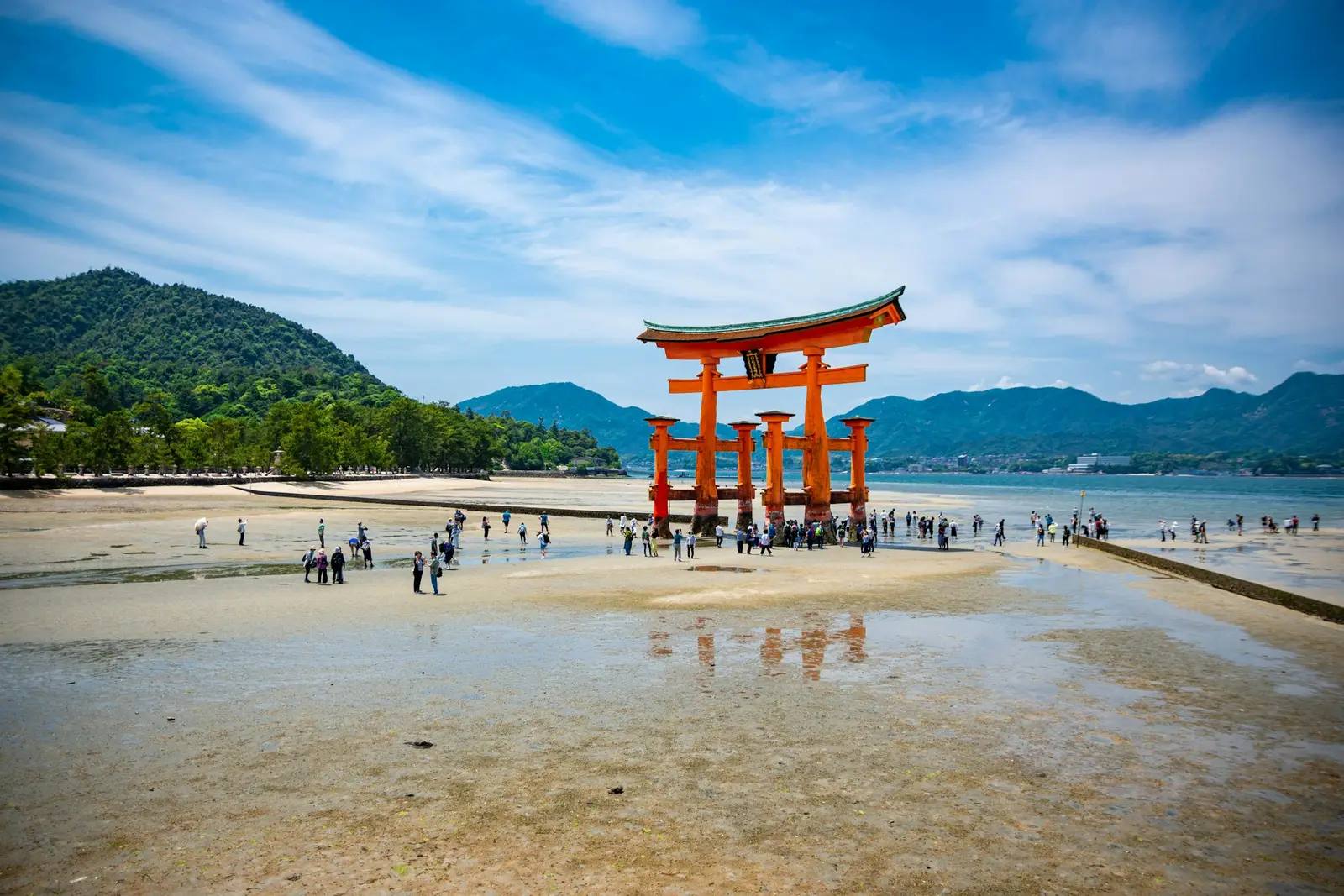
Beyond these, depending on your interests, Hiroshima and Miyajima (history and coast), the island of Kyushu (volcanoes and onsen) or the far north with Tōhoku and Hokkaidō (nature and quiet) are all worthwhile. Which combination is the right one for you is decided less by the map than by your own curiosity.
What to experience: accommodation and culture
In Japan the how is often more impressive than the what. Where you sleep, what you eat, which quiet arts you experience – this shapes the memory of a journey more than the list of sights you have visited.
That begins with where you stay. A ryokan, the traditional Japanese inn, is not merely a hotel but an experience in itself: tatami mats, a bath in hot springs (onsen) and a multi-course kaiseki dinner that brings the season onto the plate. For us, at least one night in a good ryokan belongs on every journey through Japan.
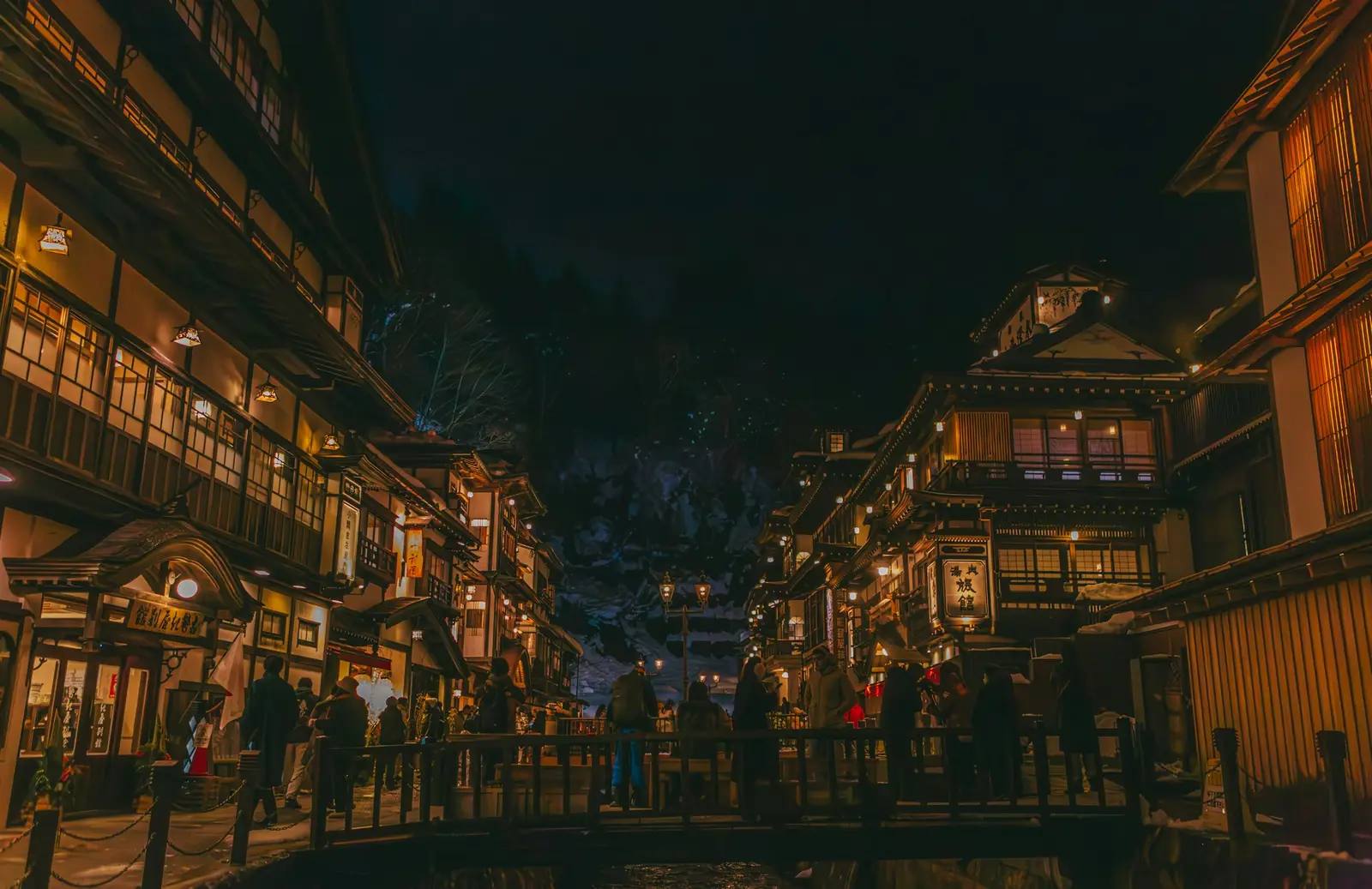
Then there are the cultural experiences that make Japan so special: a silent Zen garden in the early morning, a tea ceremony, the craft of the potters and dyers – and the classical stage arts. If you would like to go deeper, forms such as noh theatre offer an experience that exists nowhere else in this way.
You can read more about this in our complete ryokan guide and in the article on noh theatre.
Those who travel vegan or vegetarian often wonder whether Japan is the right destination for them. The short answer: yes, with good preparation. We explain what shōjin ryōri is, what the hidden dashi problem in almost every dish means and how we take on the advance clarification with ryokan and restaurants for you – in our guide to vegan and vegetarian travel in Japan.
Travellers who prefer to be off the beaten track will find far more in Japan than the well-known highlights: quiet mountain villages, small pottery towns and gardens that hardly appear in guidebooks. We have put together a personal selection of such places in our Japan hidden gems away from the tourist trails.
Those travelling with children also have to give up very little – with the right planning, Japan is a surprisingly relaxed family destination. What matters most is described in our family guide to a journey through Japan with children.
Who with: specialist and guiding
“Independent” does not mean “alone”. For the question of how much support you would like, there are essentially three ways – and none of them is fundamentally better than the others. It depends on what suits you.
- Planning entirely on your own. Maximum control, no intermediary – but also the greatest investment of time. Sensible if you already know Japan, enjoy research and manage well with the language.
- Planning with a specialist. You keep every decision, but hand over the research, the reservations and the tricky details. The ideal middle way for most discerning independent travellers.
- With an English-speaking guide on the ground. Company for individual days or for the whole journey – valuable for special experiences, in remote regions or when you would rather not have to take care of anything.
Which way is worthwhile when – and which five concrete advantages someone who knows the country offers compared with booking purely online – is described in detail in our article Why a Japan specialist?
What does an independent journey through Japan cost?
The short answer is: it depends on your travel style. The same route can be experienced modestly or luxuriously – the difference lies above all in the flight, the accommodation and the restaurants. As a guide for 2026 we work with three budget ranges, each of them per person for 14 days on a journey for two, excluding flights (we calculate the international flight separately):
| Travel style | Per person (excl. flights) | Total for two | Character |
|---|---|---|---|
| Economy | approx. €2,500 | approx. €5,000 | Hostels & business hotels, konbini and ramen, standard class on the train |
| Comfort | approx. €5,000 | approx. €10,000 | Central four-star hotels, 1–2 nights in a ryokan, good restaurants |
| Luxury | from €15,000 | from €30,000 | Top ryokan with private onsen, Michelin dining, private transfers |
One factor many people underestimate is the exchange rate. At present it stands at around €1 = 185 yen (as of July 2026) – favourable for European travellers, but it fluctuates. Even small movements have a noticeable effect on your budget on the ground.
The complete breakdown of costs – with every item from the flight through the shinkansen to meals, advice on the exchange rate and the current update on the JR Pass – can be found in our article What does a trip to Japan cost?
How the planning works – in five steps
Good planning takes the effort off your hands, not the decisions. This is what the way from the first idea to the journey looks like with us:
- First conversation. In a free conversation we get to know your wishes, your style and your budget. Without obligation and in a calm setting.
- Draft. You receive a first proposal for a route, with accommodation, experiences and a rough budget.
- Refinement. Together we adjust until everything fits you – the pace, the emphases, every detail.
- Booking. We take on the reservations – including those that are difficult to obtain from Europe.
- Journey & support on the ground. While you are travelling we are reachable in your time zone, should something need to be resolved at short notice.
This approach proves its worth especially when additional requirements come into play: how to experience Japan step-free, or at the pace of older travelling companions, we have described separately.
We are Japan Privat: a Japan-based travel designer for independent journeys through Japan, advising you in English. We live here, we know the places ourselves – and we plan your journey so that it feels like yours, not like a programme off the shelf.
Your independent journey through Japan begins with a conversation
Tell us what you have in mind – from it we design a journey that suits your pace and your interests.
Book a free 30-minute consultationFrequently asked questions
How far in advance should I book an independent trip to Japan?
For most journeys we recommend a lead time of six to nine months. In the high seasons – the cherry blossom in spring and the autumn leaves in November – the finest ryokan and centrally located hotels are often fully booked ten to twelve months in advance. The more individual your wishes, the earlier planning pays off.
Is Japan worthwhile for first-time visitors with no knowledge of Japanese?
Absolutely. Japan is a rewarding destination precisely for first-time visitors: safe, clean, with excellent infrastructure. In large cities and at railway stations there is signage in English. With good preparation – or a specialist who takes on the reservations and the tricky details – an independent journey is perfectly manageable, even without a word of Japanese.
What does an independent trip to Japan cost for two people?
As a rule of thumb for 2026: a comfortable 14-day journey costs around €5,000 per person, so about €10,000 for two, excluding flights (we calculate the international flight separately). Travellers on a modest budget manage from around €2,500 per person, while the luxury segment starts at about €15,000 per person. You will find a complete breakdown of every item in our article on the cost of a trip to Japan.
Which season is best for first-time visitors?
For a first trip to Japan, spring (especially the cherry blossom) and autumn (with the autumn leaves) are the most popular – mild weather and unforgettable images. Both periods are, however, also the busiest. If you prefer things quieter, early summer or winter show an equally beautiful but more relaxed side of Japan.
Do I need a visa for Japan?
For tourist stays of up to 90 days, citizens of most European countries do not need a visa. On entry you receive the corresponding permission. All that matters is a passport that remains valid for the entire duration of your journey.
About the author

Kentaro Asakura
Founder of Japan Privat · A Japan specialist who guides you in English
Kentaro Asakura was born and raised in Japan. His student years took him first to the UK, where English became second nature to him, and later to Munich, where he met his wife, who is German – together they returned to Japan. With Japan Privat, he has been designing individual journeys for European travellers for more than ten years – in English, with the eyes of a local and a genuine feel for what guests from Europe are looking for.