Japan Hidden Gems 2026: Quiet Places Off the Tourist Trails
Table of contents
- Why the search for stillness is beginning now
- Current situation: where Japan is emptying out (as of 2 October)
- What is no longer a hidden gem in 2026
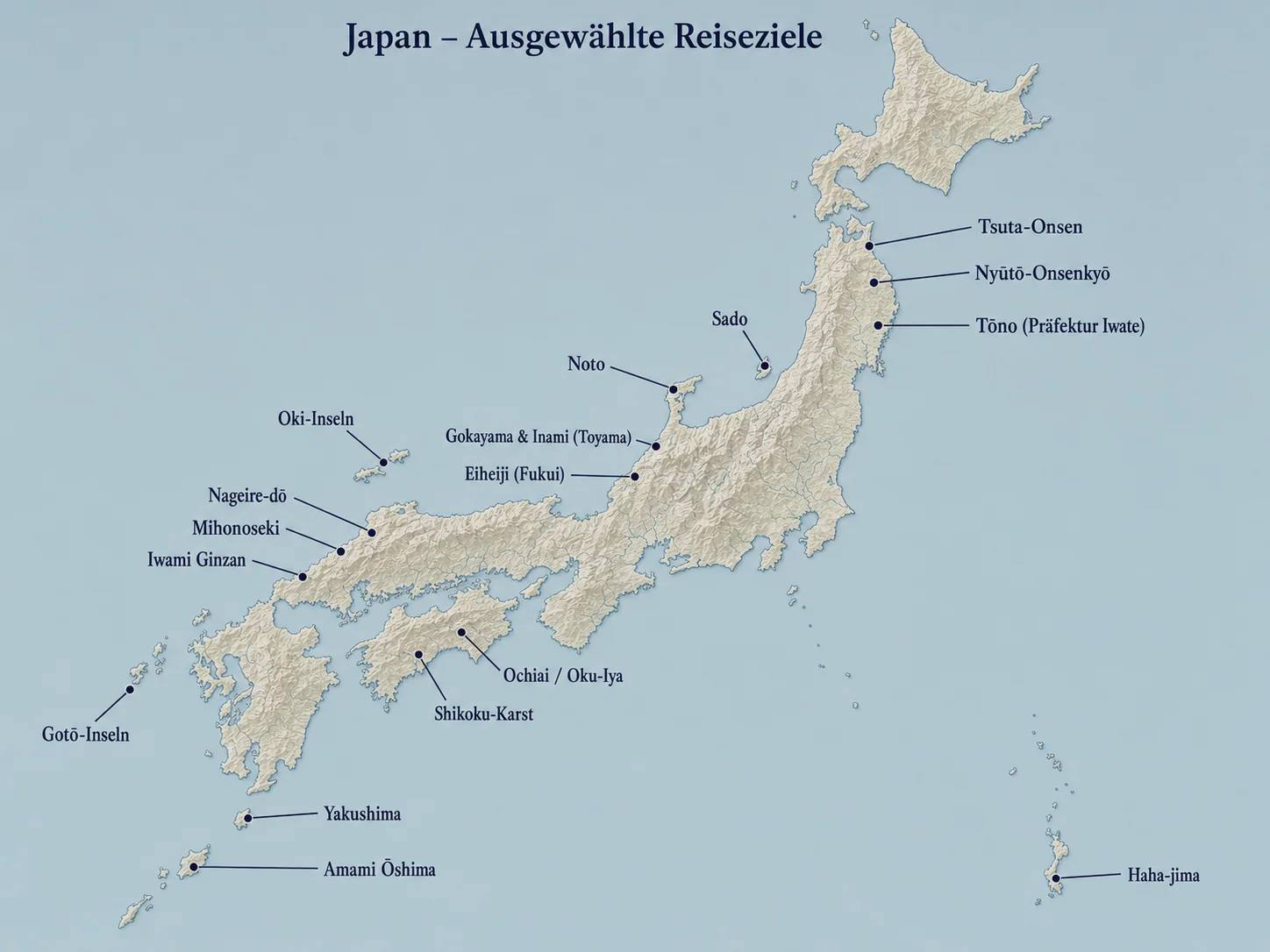
- San'in – the quiet region on the Sea of Japan
- Deep Shikoku
- Tōhoku – mountain villages and secret onsen
- Hokuriku & the Noto Peninsula
- Remote islands
- Stillness in the middle of the big cities
- The “last mile” problem
- Stillness and the season
- Genuine encounters
- Building them into a round trip
- Frequently asked questions
It is just after six in the morning, and we are standing in a narrow lane of blue-grey stone in Mihonoseki, a fishing village at the eastern tip of the Shimane Peninsula. A light drizzle is falling, and that is exactly why the stones beneath our feet shimmer with a bluish tone. A fisherman walks down to the quay in silence; in a moment, schoolchildren will run through the same lane on their way to school. Otherwise: nothing. No coach, no souvenir stall, no queue in front of a photo spot. Only the sea, the rain and a place that has simply carried on living for centuries.
The key points in brief
- Where it is genuinely still quiet in 2026: in San'in, in deep Shikoku, in the secret onsen of Tōhoku, in Noto and on the remote islands – regions the Shinkansen does not reach.
- What is no longer a hidden gem: Shirakawa-gō, Ginzan Onsen, Kinosaki Onsen and Naoshima were discovered long ago and are overrun on peak days – beautiful, but no longer quiet.
- Why the emptiness remains: around two thirds of all foreign overnight stays fall on a few focal points, while Fukui and Shimane occupy the last two places of all 47 prefectures.
- What matters: the real hurdle is the “last mile” – infrequent buses, ferries with a seasonal pause, narrow mountain roads –, which is why individual planning or a rental car is worth it.
- Visiting Noto: after the disasters of 2024 the peninsula is partly accessible again and expressly welcomes guests as a form of support.
Mornings like these are exactly what many of our guests are looking for, without being able to put it into words at first. Not the next famous postcard view, but the real, quiet Japan. In this article we show where you can still find it in 2026 – and, just as importantly, where you can no longer. Because for us, good advice begins with leaving things out.
Why the search for stillness is beginning now
The short answer: because Japan's well-known places have become fuller, while the genuinely quiet corners are, paradoxically, more accessible than ever – provided you know how to reach them.
Japan ranks high among European travellers. In a recent representative survey by the Trip.com Group (conducted by OnePoll in January 2026 among 1,000 adults in Germany), Japan leads the list of Asian dream destinations for the first time with around 41 per cent, ahead of Thailand (31 per cent). This popularity has a downside. In 2025, Japan counted more than 42 million foreign visitors for the first time (42.68 million) – after 36.9 million the year before. Search interest around overtourism in Japan rose sharply between 2019 and 2025, by roughly a factor of ten. And the crowds concentrate to an extreme degree: around two thirds of all foreign overnight stays fall on a few focal points – above all Tokyo, Osaka, Kyoto as well as Hokkaidō and Okinawa. The rest of the country remains remarkably empty.
The imbalance can be put in numbers. Just five prefectures – Tokyo and Kyoto above all – together account for well over half of all foreign overnight stays; Tokyo alone accounts for around a third. At the other end of the table stand Fukui and Shimane: there, foreign guests accounted for only 2.8 and 3.3 per cent respectively of all overnight stays in 2025 – the lowest shares of all 47 prefectures. In absolute numbers, too, the two bring up the rear, with around 109,000 (Fukui) and 114,000 (Shimane) foreign overnight stays. That is not chance but geography and accessibility. And it is the real opportunity.
These Japan hidden gems for 2026 are addressed to travellers who would like to experience Japan off the tourist trails – quiet, genuine, individually organised. The Japanese government even promotes regional distribution as a national goal, through the Japan Tourism Agency (JTA) and the Japan National Tourism Organization (JNTO). In other words: anyone looking for Japan's unknown places now is moving in exactly the direction the country itself favours. If you would first like to understand the bigger picture, our overview of independent travel in Japan 2026 offers the calm thread this article follows.
Current situation: where Japan is emptying out – 2 October
The current situation first: the distribution is holding – even though the decline in Kyoto, Osaka and Tokyo became smaller in July. In July 2026 the Japan Tourism Agency counted 13.31 million foreign overnight stays nationwide, 6.5 per cent fewer than a year earlier. The decline continues to affect the country very unevenly: in the three metropolitan regions – Tokyo, Kansai with Kyoto and Osaka, and Nagoya – the drop was 9.2 per cent, while in all remaining prefectures together it was only 0.9 per cent. By our own calculation from the values per prefecture, just under 35 per cent of all foreign overnight stays thus fell on the prefectures outside the metropolitan areas, around two points more than in July 2025.
The main reason is the same as in June – but the picture for the other markets has turned around. Overnight stays by guests from China were 44.7 per cent below the previous year in July (June: −50.9 per cent) – still by far the largest decline of all the important source countries. South Korea, by contrast, still in the minus in June, grew by 28.4 per cent in July – though after a slump of around a quarter in July 2025; the case of Hong Kong is similar. Taiwan grew by 24.7 per cent and remained the largest source country by overnight stays, Hong Kong by 49.3, Russia by 42.1 and Vietnam by 30.0 per cent; the USA was 3.2 per cent below the previous year. Our reading of these figures: the markets that are staying away are spread differently across the country from the ones that are growing. That fits with Kyoto, Osaka and Tokyo losing more than the national average while Kyūshū gains – Fukuoka by 18.0 and Kumamoto by 24.9 per cent –, a region many travellers from South Korea head for. For your planning, the reverse follows as well: if the missing markets return, in all likelihood it is the golden route that fills up first – not the quiet regions.
The World Expo, on the other hand, does not explain the minus in Osaka. It would seem obvious to attribute the decline to the Expo, which was held in Osaka from 13 April to 13 October 2025 and counted around 25.6 million visitors: the comparison month would then be artificially high. The statistics do not bear this out. In July 2025, in the middle of the exhibition, Osaka's foreign overnight stays were themselves already 20.0 per cent below the previous year. The new calm in Osaka therefore cannot be dismissed as a mere calendar effect – it is likely to depend on the same markets as in Kyoto and Tokyo.
In the breakdown by prefecture, the gap has become smaller, but it has not disappeared. In foreign overnight stays, Kyoto lost 15.1 per cent in July (June: −19.2), Osaka 10.5 (−18.0) and Tokyo 7.0 per cent (−17.0) – with 4.35 million overnight stays Tokyo nevertheless remains number one by a wide margin. Prefectures that hardly appear in a classic programme for a first trip to Japan grew strongly instead: Fukushima by 73.1 per cent, Mie by 58.8, Fukui by 46.8, Kōchi by 45.5, Ehime by 41.5, Aomori by 35.4 and Miyagi by 32.0 per cent. Many of them lie in the areas we describe further below – in Tōhoku and in deep Shikoku.
Not every quiet region grows every month.Tottori in San'in, still 30.3 per cent up in June, was 14.9 per cent below the previous year in July, and neighbouring Shimane 26.3 per cent. Tochigi swung from +40.2 to −13.9 per cent, and Ibaraki, which had grown by more than 45 per cent in every month since March, grew by only 22.1 per cent in July. In small prefectures a few thousand overnight stays are enough for swings like these – Shimane counted just under 9,000 in July. What is meaningful is the direction over several months, not a single monthly value.
The flattening seen in July did not continue in August. The first estimate for August gives 12.64 million foreign overnight stays nationwide, 10.3 per cent below the previous year. For this comparison to hold, like has to be compared with like: the value can only be compared with the first estimates for the previous months – June −11.9, July −4.6, August −10.3 per cent. First estimates are revised later on – for June and July in each case downwards: July now stands at −6.5 per cent, June at −14.0 per cent. May, by contrast, had been revised upwards; so there is no fixed direction. The values per prefecture for August only appear with the second estimate on 30 October. In July the room occupancy rate was 61.0 per cent as a national average and highest in Tokyo at 75.3 per cent; for August the first estimate gives 64.4 per cent. On top of that, as of January 2026 the agency changed the sample and itself points out that the year-on-year comparisons may contain this change. The direction is reliable, the second decimal place is not.
One more qualification belongs with this: fewer overnight stays in Kyoto do not mean empty lanes. In 2025 the city counted more than 62 million visitors for the first time, among them 12.68 million from abroad – both record highs since the survey began in 1958. In the municipal visitor survey, one in five foreign guests said that something had disappointed them; by far the most frequent reason was the crowding. Kyoto has therefore become relatively emptier, not empty in absolute terms.
And now comes the season in which the question of stillness poses itself most sharply. Since 1 October the autumn foliage forecasts of all three major weather services have been available. They expect a normal to slightly late season; for Kyoto's well-known temples it remains the second half of November. From this follows a simple division: from mid to late October it is the north's turn – at the Oirase Gorge the Japan Weather Association expects the start of the peak around 13 October, on the Irohazaka road near Nikkō around the 21st. The crowds are smaller than in Kyoto in November, but they are not small, because Tōhoku's well-known gorges and mountain roads also have their peak days during the foliage. Anyone who would like to see the famous gardens, by contrast, meets the fullest moment of the Japanese year in November – regardless of what the overall statistics say. We keep the dates for each region up to date in our autumn foliage article.
What this means for your planning
- Avoiding the famous places on principle is less worthwhile in 2026 than usual. If you would like to see Kyoto anyway, this year is comparatively favourable. The usual rules are enough: early morning, outer districts instead of the core, staying overnight instead of a day trip.
- This window can close faster than it opened. The relative calm in Kyoto and Osaka hangs above all on a single source market – and markets can return faster than they stayed away. In July the decline in Kyoto and Osaka already became smaller; that this is no straight line is shown by August at national level. Anyone who wants to see the famous places in a comparatively quiet state should therefore not take it for granted that another year will still do.
- With the quiet regions it pays to be early. Growth of 30 per cent and more within a single year means the gap to the main routes is shrinking. What counts as a hidden gem today may no longer be one in this form in a few years – that is exactly what happened to Ginzan Onsen and Kinosaki.
- Statistics are no substitute for local knowledge. A prefecture can grow and still be quiet, because the growth concentrates on a single place – and a single village can be overrun while the prefecture looks empty in the table. The figures tell you where to look more closely, not where you have to go.
Sources: The overnight figures for August 2026 (first preliminary estimate) and July 2026 (second preliminary estimate), including the split between metropolitan regions and the remaining prefectures, the values per prefecture and per source country for July, the room occupancy rate, the note on the sample changed as of January 2026 and the date of the next release on 30 October, from the accommodation survey of the Japan Tourism Agency of 30 September 2026 (PDF); the share of the prefectures outside the metropolitan areas is our own calculation from the values per prefecture given there. The figures for June 2026 (second preliminary estimate) and the first preliminary estimate for July from the accommodation survey of 31 August 2026 (PDF); the values per prefecture and per source country for June 2026 as well as the development in Ibaraki since March in the analysis by Yamatogokoro of 1 September 2026. The visitor figures for Kyoto in 2025 and the share of disappointed guests from the analysis of the municipal tourism survey. The 42.68 million foreign visitors in 2025 from the Japan National Tourism Organization (JNTO). The foreign overnight stays in Osaka in July 2025 and the declines from South Korea and Hong Kong in July 2025 from the accommodation survey of 30 September 2025 (PDF). The duration and the visitor number of the 2025 World Expo from the organisers' final figures. The expected peak of the autumn foliage season from the first forecast by the Japan Weather Association of 1 October, the second forecast by Nihon Kishō of 1 October and the first forecast by Weathernews of 3 September.
We keep this section up to date. The Japan Tourism Agency publishes its overnight figures monthly, at the end of each month; the next release, with the values per prefecture for August, appears on 30 October. We add the new values here and, before each main season, note which regions are filling up and which are not.
What is no longer a hidden gem in 2026
The short answer first: some places that European guidebooks still trade as a “hidden gem” were discovered long ago and are simply overrun on peak days. As people who live here, we prefer to say this openly rather than promise you an idyll that no longer exists in that form.
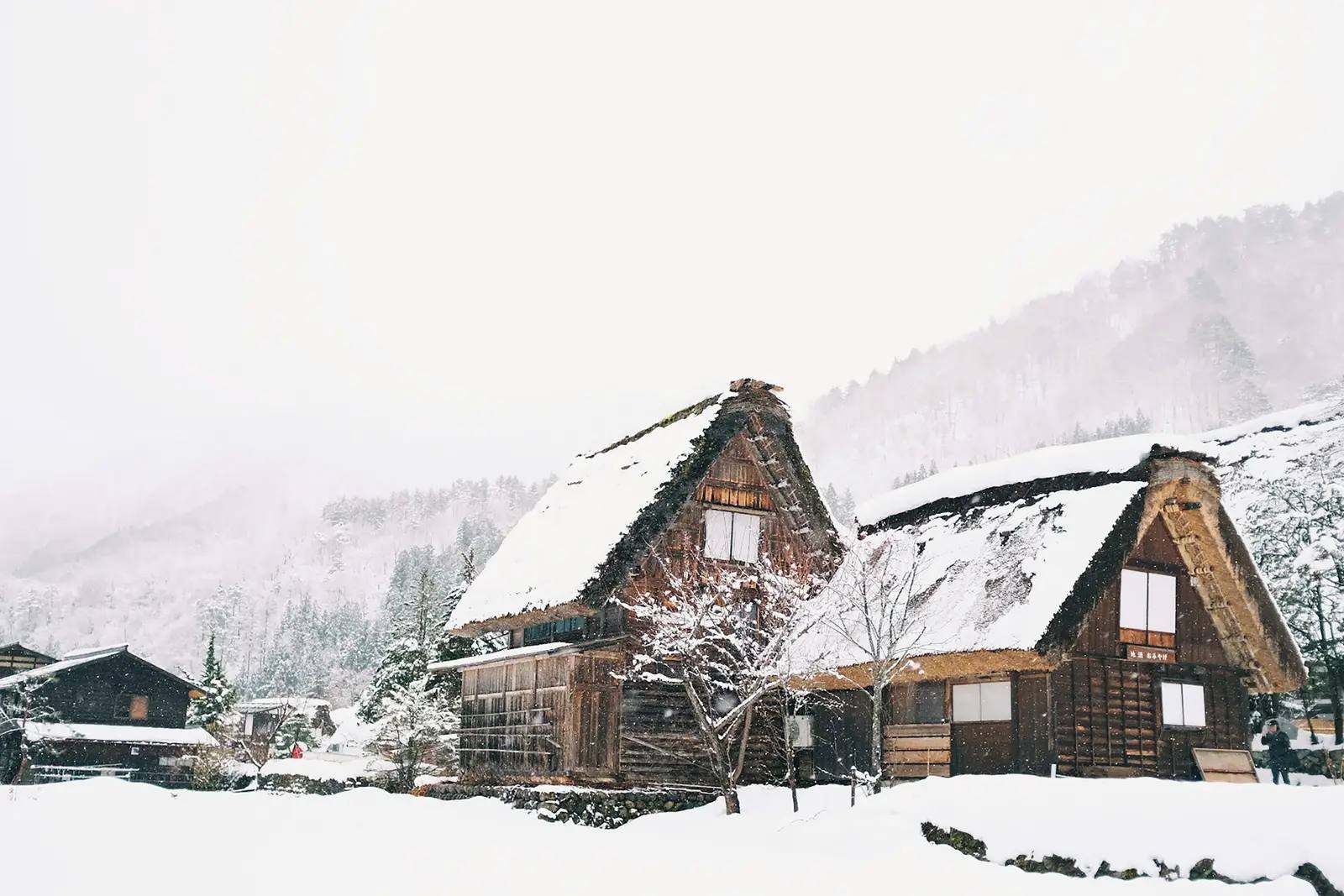
Shirakawa-gō, the famous village of gasshō farmhouses. In 2024 around 2.08 million visitors came, more than half of them (53.5 per cent) from abroad for the first time – in a place with a few hundred inhabitants. On around 30 days a year there is traffic congestion, and 59.4 per cent of the residents view the influx critically. From 1 December 2026, coaches have to reserve their parking space in advance (bookable from June 2026). “Quiet thatched-roof village” no longer matches the reality.
Ginzan Onsen in Yamagata. The Taishō-era gas lanterns became so famous through social media that day visitors are being regulated from the winter of 2025/26 – access only by shuttle, with advance reservation required in the evening.
Kinosaki Onsen. In five years it has increased its foreign guests roughly 36-fold; in some houses foreign guests make up 80 per cent. Recommended by Lonely Planet, Michelin and Vogue, directly reachable from Kyoto and Osaka – beautiful, but no longer a hidden bathing town.
Naoshima, the art island. Even in the Triennale year of 2025 it was in practice reservation-only on many days – and between the Triennales, too, you should reserve the most important museums in advance.
Kanazawa, finally, is more pleasant than Kyoto, but it is not an undiscovered place: the Kenroku-en garden now counts more than half a million foreign visitors a year, driven in particular by European guests. And Takayama belongs in this list as well – beautiful, but no longer quiet.
That does not mean you have to avoid these places. It only means that they should be called what they are: well-known highlights, not hidden gems. The real stillness lies elsewhere – and that is where we take you now.
San'in – the “shaded side of the mountains” on the Sea of Japan
San'in (above all Shimane and Tottori) is perhaps the quietest easily reachable region in Japan – precisely because no Shinkansen goes there and most travel reports stop at Izumo Taisha and the Adachi Museum. This is exactly where the Japan begins that appears in no guidebook.
Practically every European report on San'in names Izumo Taisha, the Adachi Museum of Art and the Tottori dunes. These three are magnificent, but they are not hidden gems: the Adachi garden has held first place in the Japanese garden ranking for more than 20 years in a row, and the Tottori dunes come with camels, sandboarding and a sand museum. At weekends both are full. Anyone looking for genuine Japan insider tips has to look one level deeper.
Mihonoseki – a fishing village without a reservation system
Mihonoseki, the fishing village from the opening, appears in none of these reports – even though it lies only around 40 minutes from Matsue. Its Miho-jinja is the head shrine of more than 3,000 Ebisu shrines throughout Japan and, as an architectural rarity, has two main halls instead of one. Our advice: stay the night here instead of passing through, eat grilled squid at the harbour in the morning and watch the village wake up. Mihonoseki offers today the calm that has long been lost elsewhere – without a reservation system, without crowds, without the feeling of standing in a stage set.
The Oki Islands – a geopark at the end of the world
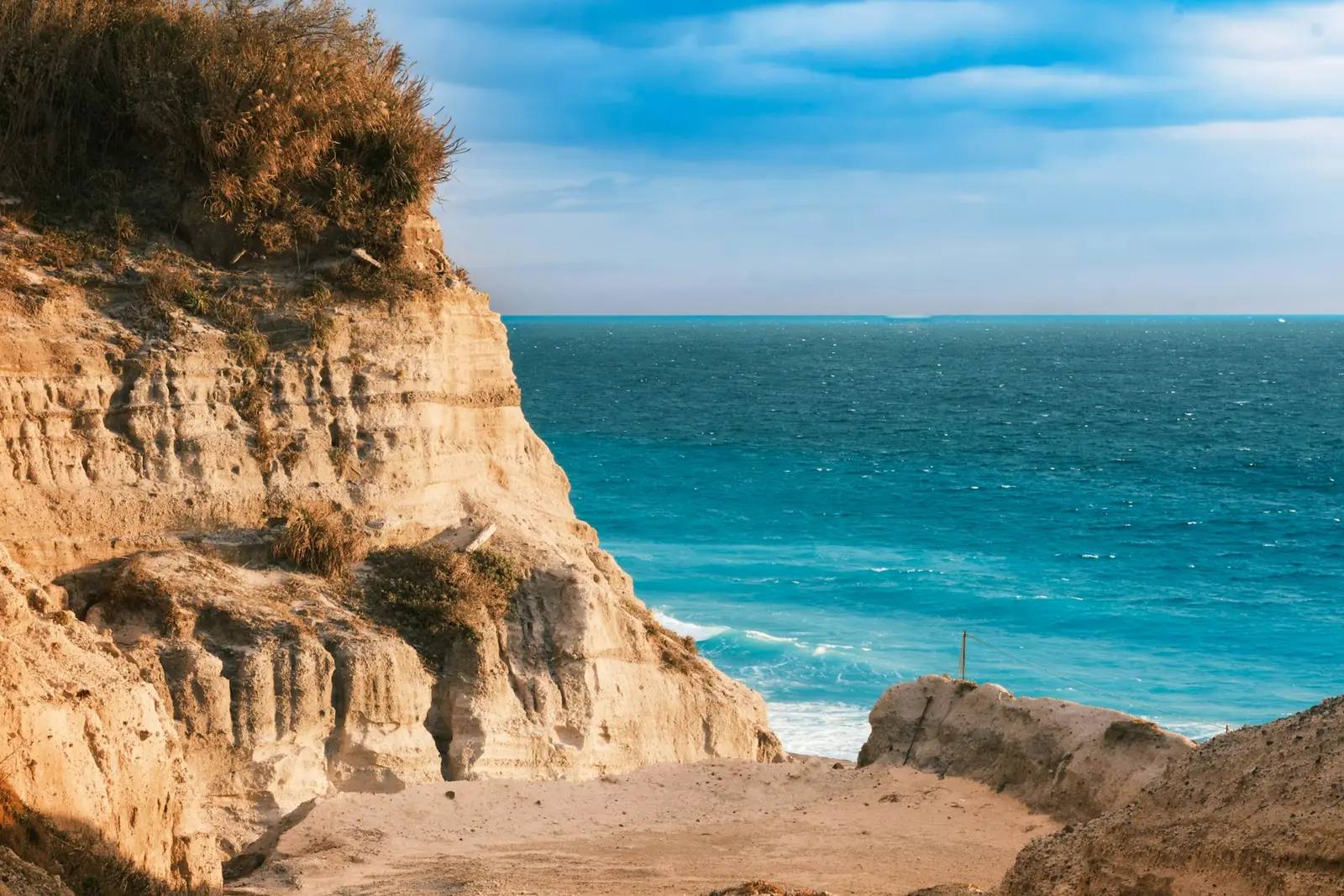
Further out lie the Oki Islands, around 60 kilometres off the coast and reachable only by ferry. They have been a UNESCO Global Geopark since 2013; historically they were a place of exile for unwelcome nobles and even for former emperors. The Matengai cliff on the Kuniga coast rises 257 metres above the sea – one of the highest cliffs in Japan. The famous “lit” candle rock (Rosokujima) can only be seen from the evening boat, when the sun sinks exactly into the tip of the rock. This is raw, almost deserted geopark nature, not a polished island resort.
Iwami Ginzan – World Heritage without the Disney effect
If you prefer World Heritage with depth, travel to Iwami Ginzan. At its peak in the early 17th century, this silver mine supplied around a third of the silver used worldwide; in 2007 it became the first mining site in Asia to be inscribed as UNESCO World Heritage. Most day visitors simply tick off the mine shaft. The real stillness lies in the red-tiled village of Ōmori and in the small port town of Yunotsu – part of the same World Heritage site, yet almost completely overlooked by foreign guests. Anyone strolling through Ōmori early or late, when no buses are there, sees old Japan unfiltered.
Nageiredō – the national treasure in the rock face
And for the physically fit: the Nageiredō on Mt Mitoku in Tottori, a national treasure hall built into a vertical rock face at around 500 metres. The ascent leads over tree roots and chains, and for safety reasons entry is only permitted in groups of two or more (fee 1,200 yen in total, registration 8:00–15:00). In rain it is closed, and in winter it is shut at times. That is exactly why you often stand up there entirely alone – and the bath afterwards in Misasa Onsen, an old radon spa of the mountain ascetics, belongs to it just as it did for the monks of old.
In San'in you experience Japan as it looks without mass tourism. Mihonoseki, Ōmori and the Oki villages are inhabited places, not open-air museums – and anyone who keeps that in mind is welcomed here with particular warmth.
Deep Shikoku – mountain villages, karst and Japan's clearest rivers
Anyone who avoids the famous Iya vine bridge in the interior of Shikoku and drives instead to Oku-Iya, to the Shikoku karst and to the Niyodo river finds a Japan in which you meet nobody for hours. These are the truly hidden places in Japan.
Most European accounts of Shikoku list the Iya Kazurabashias a “hidden gem” – yet several European bloggers report soberly on huge car parks and the next tour group right behind them. The real stillness lies deeper.
Ochiai and Nagoro – stone-walled villages in Oku-Iya
In the village of Ochiai in Oku-Iya, stone-walled houses cling to a slope with around 390 metres of elevation difference – the steepest settlement within a nationally protected preservation district. Anyone staying in the thatched-roof accommodation experiences complete stillness after five in the afternoon, once the day visitors have gone, and a starry sky without light pollution.
A few kilometres further lies Nagoro, the doll village: fewer than 30 people live here, but around 350 to 400 life-sized scarecrows, made by a single woman, Tsukimi Ayano, in memory of those who have died or moved away. For us, Nagoro is not an eerie spectacle but the quiet portrait of an ageing mountain region – and the craft of a woman who does not want her village to be forgotten.
The Shikoku karst and the Niyodo blue
Higher up, the Shikoku karst opens out at around 1,400 metres – a “meadow in the sky” and one of the three great karst landscapes of Japan, almost without public transport and therefore unreachable for coaches. At night you can see the Milky Way here. And instead of the Shimanto river named everywhere, we recommend the neighbouring Niyodo-gawa, whose water is even clearer – the “Niyodo blue” has to be seen with your own eyes. The sacred spring of Nikobuchi is regarded as a shrine by local people; bathing and eating are forbidden there, and that rule should be respected.
A warning we give every guest: the “last mile” to get here often runs along National Route 439, known in Japan as gokudō (“hell road”) – narrow, without crash barriers, with leaves and moss. Japanese mountain roads are more demanding than European mountain passes. Do not drive after dark, fill the tank before the climb and download offline maps, because the mobile network is weak. As a calm contrast to the wilderness, Uchiko is a good choice – a merchant town from the era of wax and paper, only 30 minutes by train from Matsuyama, with white-plastered townhouses but entirely without the crowds of Shirakawa-gō.
Tōhoku – hidden mountain villages and secret onsen
The north-east of Japan is the home of the real secret onsen – springs without a souvenir street, often without electricity, sometimes without mobile reception. Anyone who comes here trades comfort for a stillness that has long been lost elsewhere.
Nyūtō Onsenkyō – why Ganiba is quieter than Tsuru-no-Yu
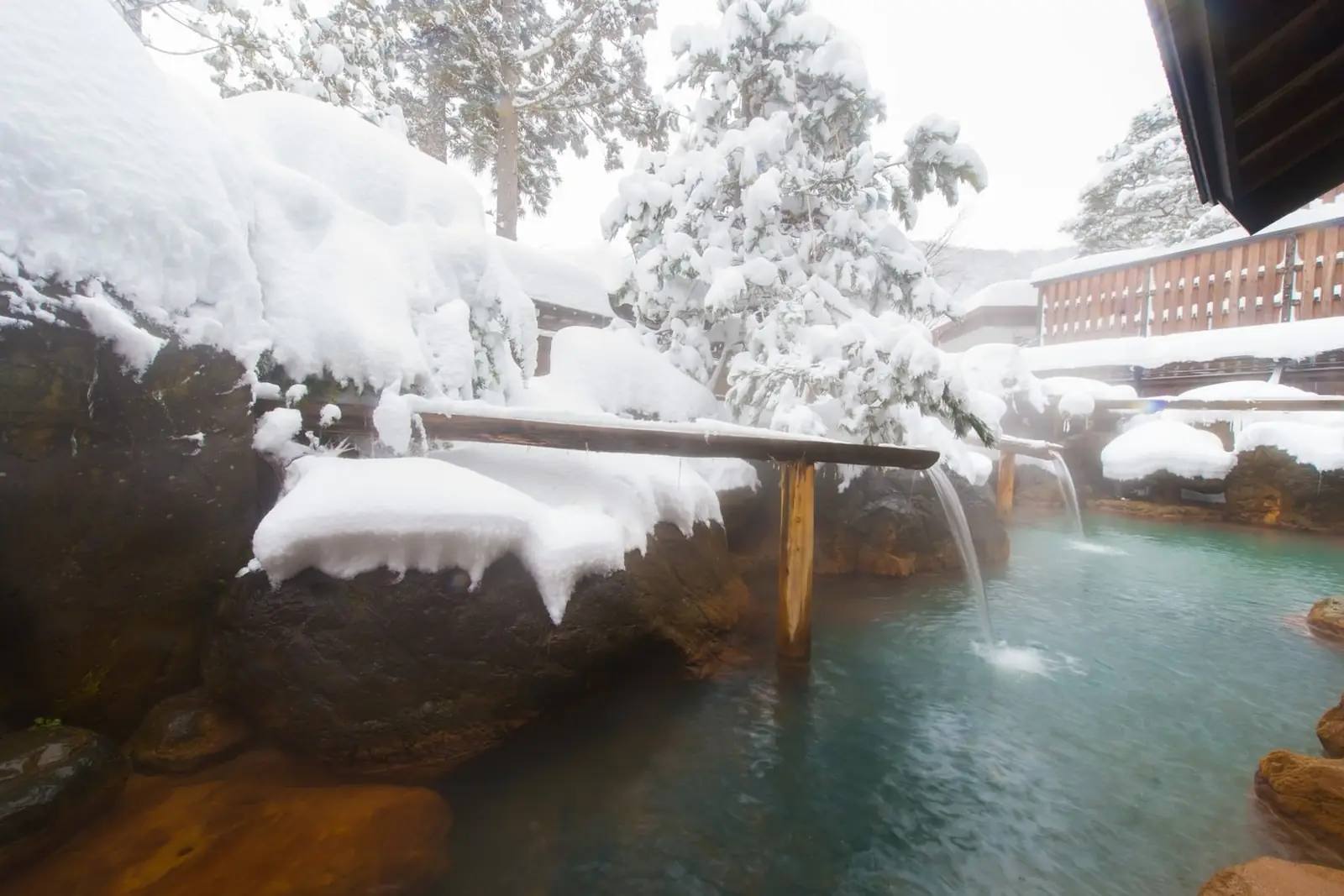
The name Nyūtō Onsenkyō in Akita is gradually becoming known in Europe too – yet almost all reports mention only the white mixed bath of Tsuru-no-Yu. Tsuru-no-Yu goes back to the year 1638; many of its rooms still have no electricity, only lamps and a hearth. Our actual tip is the neighbouring bath Ganiba, from which you walk around 50 metres into the beech forest to the open-air bath Karako-no-yu. On a winter weekday you have it to yourself, while the snow falls silently from the branches. The whole onsenkyō has no “bathhouse street” and no shops – seven separate inns are spread through the forest, so that the physical core for crowds is simply missing. One detail that helps: the Yumeguri pass for bath-hopping is sold only to overnight guests – which naturally keeps the number of day visitors small.
Tsuta and Aoni – spring water and lamplight
In Aomori, right next to the famous Oirase gorge, lies Tsuta Onsen, whose records go back to 1147. The water rises here directly beneath the pool from the spring, without ever coming into contact with air – a form that is rare in Japan. Our advice to guests: do not stay in a hotel in the gorge, but spend the night here beforehand and walk into the Oirase gorge at dawn, before the coaches arrive. If you like it even more radical, drive to Aoni Onsennear Kuroishi, the “lamp inn”: here there is neither electricity nor Wi-Fi nor mobile reception, only the light of paraffin lamps. While Ginzan became a photo hotspot, the romance of lanterns here is not a stage set but everyday life – the true place to pull the plug.
Tōno and the snow corridor of Hachimantai
Quite different but equally quiet is Tōno in Iwate, the home of Japanese folk tales. The “Legends of Tōno”, published by Yanagita Kunio in 1910, come from here, and the L-shaped thatched-roof houses still stand today, under whose roof people and horses once lived together. Because the sights lie scattered and buses run rarely, hardly any tour groups come – and so Tōno is a place you walk through more with your imagination than with your camera. Finally, there is a special window in spring: the Hachimantai Aspite Line is expected to open on 15 April 2026 and leads through one of the longest snow corridors in Japan (around 27 kilometres, walls up to eight metres) – shortly after the opening, before the rush, almost empty.
Two notes belong with this. First: the mixed baths (Tsuru-no-Yu, Ganiba, Aoni) are part of traditional Japanese bathing culture; the cloudy white water is completely opaque, the body remains hidden, and there are times or pools reserved for women. Second, less romance, more safety: Nyūtō, Oirase, Hachimantai and Tsuta all lie in bear country, where encounters have increased recently. A bell on your rucksack really does belong here – please take that seriously; we who live here do so too.
Hokuriku & the Noto Peninsula – travelling with respect
In Hokuriku there are quieter gasshō villages than the overrun Shirakawa-gō, a whole town of woodcarvers and a living Zen temple – and in Noto a region that, after the disasters of 2024, receives your visit not as tourism but as support.
Gokayama, Inami and Eihei-ji
Let us begin with the alternative to the mass destination: Gokayama in Toyama. It is the same UNESCO World Heritage site and the same gasshō construction as Shirakawa-gō, yet the villages are tiny – Ainokura counts around 20 houses, Suganuma only nine. Large coaches turn around in Shirakawa-gō, so that in the evening and early in the morning only overnight guests and residents remain.
Close by lies Inami, Japan's town of woodcarvers: around 200 sculptors still work along the Yōkaichi street today, and even bus stops and shop signs are carved. In Fukui, in turn, stands the Eihei-ji, one of the two head temples of Sōtō Zen, founded in 1244 by Dōgen, a living training monastery with around 150 monks. At half past eight, right after opening, a stillness lies over the connected halls after the morning prayers that no photograph captures. Fukui has the lowest foreign share of overnight stays in the country (2.8 per cent) – you feel that immediately.
Noto – the visit as a form of help
And then Noto. Here we would like to speak carefully. The Noto Peninsula was struck by a severe earthquake on 1 January 2024 and by devastating rainfall in September of the same year, above all around Wajima and Suzu. This is not a “hidden gem” in the light sense of the word, and we do not wish to treat it as one. What the people on the ground tell us again and again – innkeepers, fishermen, lacquer masters – is this: the best thing travellers can do is to come back. Staying overnight, eating, buying regional products (Wajima lacquerware, Suzu ceramics, hand-harvested salt, Noto wine, the fish seasoning ishiru) – that is the most direct form of help.
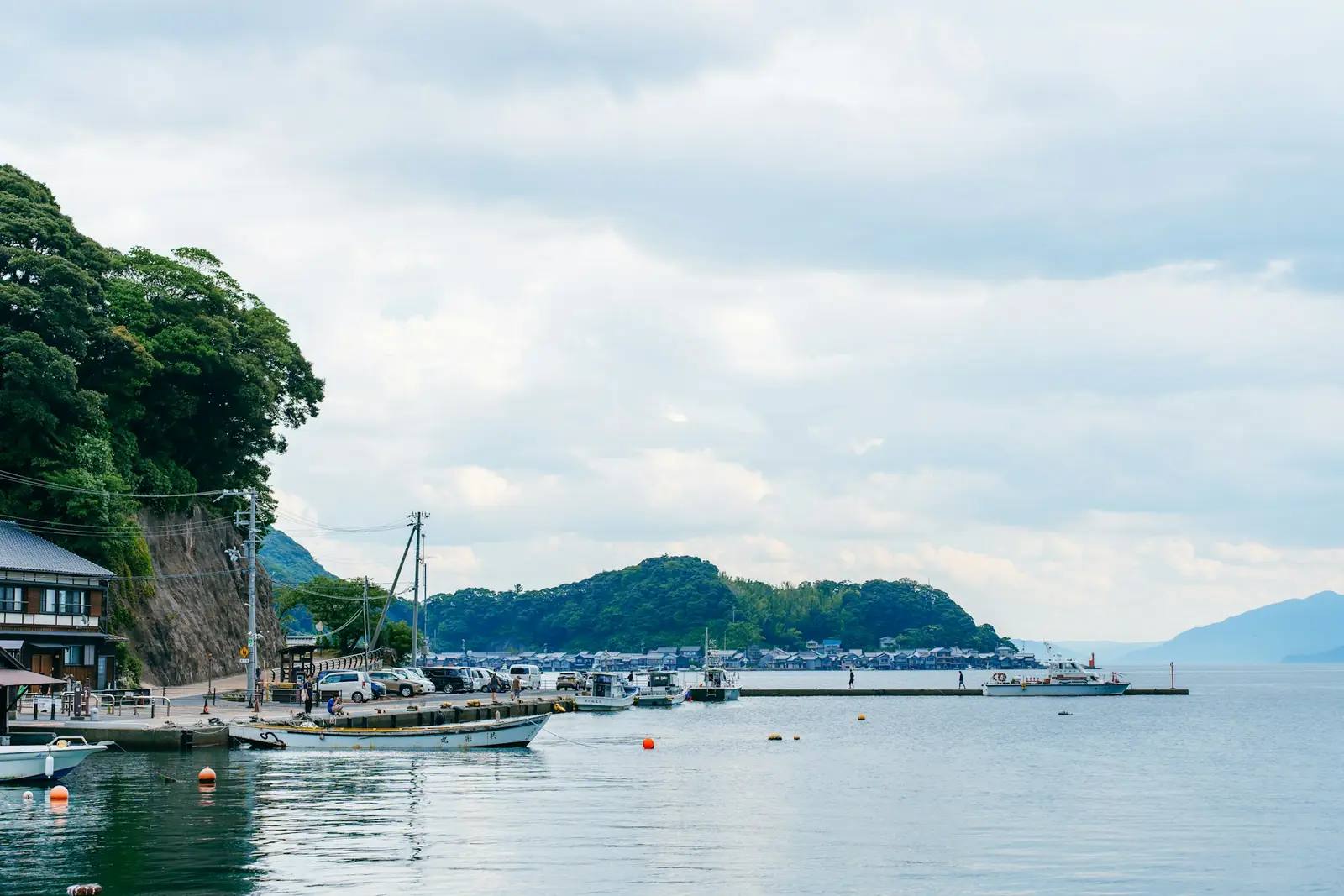
For anyone travelling in this spirit, we warmly recommend the Sōji-ji Soin in Wajima – the original seat (soin) of Sōji-ji, one of the two head temples of Sōtō Zen, whose present head temple, however, is in Yokohama. The soin in Wajima looks back on around 700 years of history (founded in 1321). Thanks to earthquake-resistant renovations the main halls were preserved, and parts are accessible again today (9:00–15:00 for orientation, restricted area). In the neighbouring Kuroshima quarter, a protected historic townscape, you can see the place where the coast was lifted by around four metres by the earthquake. On the calmer inner coast lies Tsukumo Bay with the Tsukumōru visitor point – a gentle ria bay in which a glass-bottomed boat carries you across the water and your visit directly supports the economy of a squid-fishing village.
Two requests go with this. First: please do not treat traces of damage and construction sites as a photo motif for social media – that would be disrespectful. Second: the situation on the ground is still in flux, and which areas are accessible changes. We clarify the current status together during the individual planning and check it shortly before your journey.
Remote islands – where the journey there already becomes the experience
On Japan's remote islands – from the Gotō Islands through Ogasawara and Amami to Sado – the difficult journey is itself the filter that preserves the stillness. Here you need time and buffer days, but you are rewarded with an unspoilt quality that the mainland hardly knows any more. Anyone genuinely looking for Japan's unknown places usually finds them on the water.
The Gotō Islands – abandoned churches by the sea
We experience this most powerfully on Nozaki-jima in the Gotō Islands. The island is effectively depopulated (a single inhabitant in the census, the caretaker), and above an abandoned terraced landscape where wild deer now graze stands the brick church of 1908, entirely alone. It belongs to the UNESCO World Heritage site “Hidden Christian Sites in the Nagasaki Region” (inscribed in 2018). You stand in a space that was built for a congregation that no longer exists – that is not a “sight” but a memorial. Getting there takes several stages (Sasebo → Ojika by boat, then the small community boat), and because the island is uninhabited, advance registration is compulsory. The same applies to the Kyū-Gorin Church on Hisaka, one of the oldest surviving wooden churches in Japan (originally 1881): the churches of the Gotō Islands are places of prayer, not attractions, and are visited exclusively by prior arrangement through the official tourism organisation. These islands are genuine Japan insider tips – precisely because they refuse the quick visit.
Hahajima and Amami – endemic species at the end of the world
Anyone seeking the feeling of the “end of the world” travels to Hahajima in the Ogasawara Islands – UNESCO Natural World Heritage since 2011, reachable only by a 24-hour ship from Tokyo and then another two hours by boat beyond Chichijima. There is no airport. Around 70 per cent of the woody plants here are endemic, because the archipelago was never connected to a continent. A day trip is impossible; five to six days are usual.
Things are more subtropical on Amami Ōshima (Natural World Heritage since 2021): in the quiet corners around Uken and on the offshore island of Kakeroma – without convenience stores, without cash machines – the real highlight begins after dark, when the eyes of an Amami rabbit appear in the beam of the torch, a species with no living relatives anywhere in the world.
Yakushima and Sado – moss, gold and a bird
We would also like to mention Yakushima, though with an insider's trick: do not follow the stream to the famous Jōmon-sugi (a 22-kilometre day hike, compulsory shuttle, extremely crowded in high season), but walk early and on a weekday through the moss-covered valley of Shiratani Unsuikyō, the model for the forest in Studio Ghibli's “Princess Mononoke”. The same mystical primeval forest – almost alone.
As of 18 October 2026: the valley is accessible again, but not on all trails. After the heavy rain in early September, the road into the valley was closed by landslides. Since 18 October it can be driven again, at some spots only in one direction at a time. Open is the trail to the Taikoiwa viewpoint rock and back, which leads through the well-known moss forest; individual sections, among them parts of the short loop trail to the Yayoi cedar, remain closed. The other ways into the mountains are open again: the mountain roads were released on 16 September, and since 17 September the compulsory shuttle to the oldest cedar has been running again. The island itself can be reached as normal. If you are coming for the moss forest, ask before your hike which trails are currently open.
And finally Sadooff Niigata: only in 2024 did the “Sado Island Gold Mines” become UNESCO World Heritage (Japan's 26th site), and the wild toki, the Japanese crested ibis, can be seen in the wild only here: the last bird born in Japan died in captivity in 2003, and since 2008 animals have been released again on Sado. In the Iwakubi rice terraces, which are deliberately farmed with few pesticides so that the ibis finds food, the coexistence of people and bird is not a slogan but daily practice.
Please note: all these island groups lie wholly or partly in the typhoon corridor (above all in late summer and autumn). Ships are cancelled days in advance in rough seas – plan buffer days and do not book tight connecting flights. On Amami and Yakushima drive slowly at night (endangered species cross the roads), and some protected zones may only be entered with a certified nature guide.
Stillness in the middle of the big cities – a question of time and place
There is stillness in Kyoto, Tokyo and Osaka too – you only have to shift the hour and the lane by a few metres. It is exactly this shift that most guidebooks overlook.
Tokyo – Yanesen, Tsukudajima, Kagurazaka
In Tokyo our favourite example is Yanesen (Yanaka, Nezu, Sendagi), a district that survived the war. Many reports send you to the Yanaka Ginza shopping street (around 170 metres, some 60 shops), in front of which you queue on a weekend evening. The trick: come in the morning before the shops open and turn one lane further into the temple quarter or across the Yanaka cemetery (around 10 hectares, where the last shōgun rests). Important, because many guidebooks get it wrong: Nezu and Sendagi are not on the JR Yamanote line but on the Chiyoda subway line – anyone who knows this enters the district from the quiet side.
Tsukudajima works in a similar way: in the shadow of the high-rise towers of River City lies an Edo-period fishing village, the birthplace of tsukudani, with the Sumiyoshi shrine (1646) and red bridge railings, which almost nobody enters. And in Kagurazaka, the old geisha world only unfolds after sunset in the stone-paved side lanes.
Osaka – Nakazakichō, ten minutes from the bustle
In Osaka our quiet counterpart lies only ten minutes on foot from the high-rise bustle of Umeda: Nakazakichō. Here the pre-war wooden row houses were spared by the air raids, and today small cafés, vintage shops and studios line the narrow lanes in old machiya. The real experience is not the famous café with the queue, but the aimless stroll through the lanes in the early morning, before the shops open – when only flowerpots and washing lines set the scene.
Kyoto – Ōhara and the early morning
In Kyoto we advise two shifts. First: in Ōhara, go beyond the Sanzen-in temple – as far as the Jakkō-in nunnery and the Otonashi waterfall, to where most people turn back. Second: in the city itself, visit the Shōren-in right after it opens at nine, a temple that the coaches almost overlook in the bustle around Kiyomizu – on the wooden veranda you then sit almost alone.
And for a piece of genuine everyday life: the Funaoka Onsen, a public bathhouse from 1923 (a registered cultural property since 2003) in the quiet Nishijin district, with an open-air pool – a rarity among the sentō of Kyoto – and, practical for European guests, permitted tattoos. The real Kyoto begins in the evening, when the neighbours walk to the bath with a towel.
One more thought on consideration: cemeteries, fishing-village lanes and residential quarters are places where people live and rest. A quiet voice and a restrained camera – especially in front of private houses and their residents – are for us a natural part of quiet travel.
The “last mile” problem – why real hidden gems need individual planning
Almost every place in this article fails not at the journey to Japan, but at the final stretch – the bus that runs twice a day, the ferry that pauses in winter, the community boat that is cancelled in rough seas. Solving exactly this “final stretch” is the core of individual travel planning.
Look at the patterns that run through this whole text. To reach Mihonoseki from Matsue you need a bus and then a change onto a community bus that runs only a few times a day. In Oku-Iya the buses run only a few times a day on average, and from Awa-Ikeda to Nagoro takes almost three hours. The Nageiredō is barely reachable by public transport, and the ascent is only permitted in groups of two or more. The Oki Islands can only be reached by ferry, whose fast connection rests in winter. These services are rarely bilingual, the timetables change, and a missed connection here does not mean twenty minutes of waiting but half a lost day.
Then there is the driving itself. Where buses are missing, a rental car is often the only flexible option – and Japan's mountain roads are, as mentioned, in a different league from European mountain passes. An international driving permit, offline maps, a full tank before the climb, no driving after dark: these are not empty phrases but lessons from experience that we are glad to pass on to you from our own practice. Added to this are advance registrations (the Gotō churches, the Nageiredō only in groups), ferry timetables with a winter pause and weather dependence, as well as small inns that are fully booked after a handful of rooms.
This is the real reason we exist. Not to sell you an experience you do not trust yourself to have – with good preparation you can travel most of these places on your own. Rather, to take the “final stretch” off your hands: to align the timetables, handle the advance registrations, secure the few rooms in time, build in buffer days and keep an alternative ready just in case. We have described in detail why a specialist with local knowledge is worth it in Why a Japan specialist?. Those who seek the quiet Japan rarely fail for want of will – almost always at the last mile.
Stillness changes with the season
Even well-known places are astonishingly empty outside their peak days, and many of the hidden gems named here are only accessible in certain months. The season is therefore not an accessory but part of the planning.
The Oirase gorge draws more than a million people a year for the autumn foliage in October – in the fresh green of May and June, or when the waterfalls freeze in deep winter, it is astonishingly quiet. The Shikoku karst is only reachable from around April to November; the mountain passes of the Kii Peninsula are effectively closed in deep winter. Whale watching on Amami and Ogasawara, in turn, only works in winter. So if you ask us about the best time to travel for a quiet Japan, you will not get a blanket answer from us, but one that fits your place and your travel period.
For exactly this we have our own, regularly updated articles. If you are planning the autumn foliage – the quieter valleys, the right weeks – read our guide to autumn leaves in Japan 2026. For everyone travelling in early summer, our article on the rainy season & typhoons in Japan answers the most important question honestly: what does the rainy season really mean for your journey, and when is it even an advantage? And anyone looking for the summer mood – small firework displays, local festivals far from the crowds – will find the quieter alternatives to the big festivals in Summer in Japan: Matsuri & Fireworks 2026.
Genuine encounters instead of staged shows
The deepest experiences off the beaten path are not places but encounters – a tea ceremony with the descendant of an old teahouse family, a night in a Zen monastery, a conversation with a 70-year-old diver. That cannot be experienced from a stage, only in a small circle. Nobody here sells Instagram moments; what is offered is stillness.
Take staying overnight in a temple. On Kōyasan, the 1,200-year-old centre of Shingon Buddhism, 52 of the 117 temples offer a shukubo. Our advice, though, is this: it matters a great deal which temple you sleep in. The large, English-speaking houses are full; in small, quiet temples such as Rengejō-in you take part in sutra copying and morning prayers in a small group. The Okunoin cemetery – more than 200,000 gravestones along a path of around two kilometres – is best walked in the evening in the light of the lanterns, guided by a monk, once the day visitors have gone. If you prefer something stricter still, take part in a sanrō at the Eihei-ji in Fukui: not a 15-minute Zen that is demonstrated to you, but the real daily rhythm of the monks, with the morning prayers in the half-dark and a night without Wi-Fi.
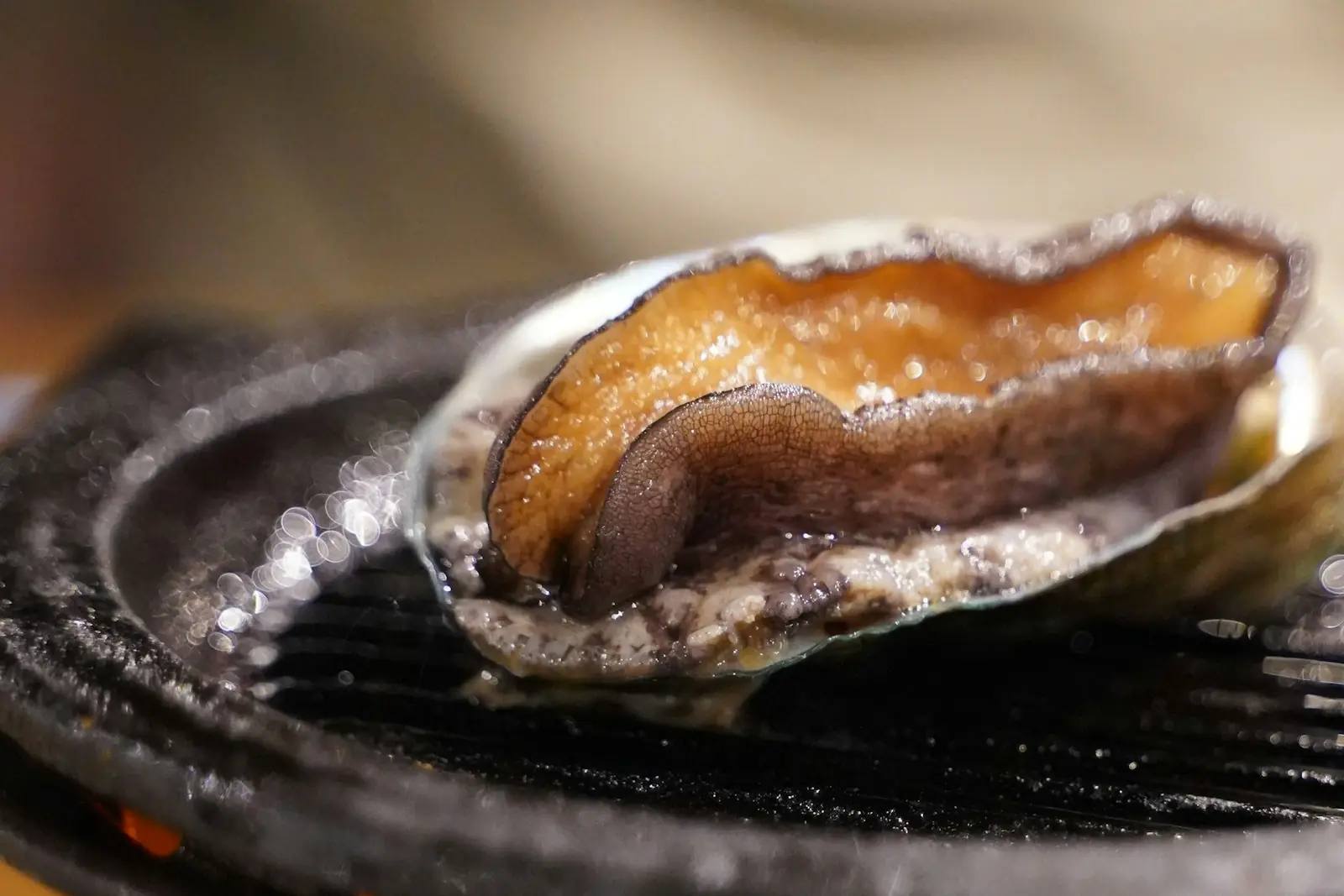
The tea ceremony, too, can be experienced authentically. In Kanazawa, the city with the largest number of tea students in the country, places are easier to obtain than in Kyoto, and in the teahouse quarters there are rooms run by the descendants of the founders – a bowl of matcha that is not a showpiece. And on the coast of Mie, in the village of Osatsu near Toba, you sit in an amagoya, a divers' hut, opposite a real ama who was in the sea that same morning, and eat the abalone freshly grilled over charcoal while she tells you about her life. Of only around 2,000 ama left nationwide, about 1,000 live in Toba and Shima, and the average age is around 70 – your visit contributes directly to preserving a vanishing culture. If you would like to explore Japanese food more deeply, we also warmly recommend our culinary journey through Japan 2026.
Through all of this: these are religious sites and living traditions, not tourist products. Anyone who asks permission before taking photographs and accepts the rules and the stillness will find that these doors really do open.
How to build the quiet places into a round trip
Hidden gems work best as calm counterpoints within a journey that also contains one or two well-known highlights – not as a pure sequence of hard-to-reach places. The art lies in the rhythm of movement and rest.
In practice that means: after two or three dense days in Kyoto or Tokyo, deliberately set a quiet block – a night in Mihonoseki, two days in Oku-Iya, a temple stay on Kōyasan. Combine places that fit together geographically: San'in can be combined well with a detour to Iwami Ginzan and Yunotsu; deep Shikoku strings together Oku-Iya, the Shikoku karst and the Niyodo river; the Kii Peninsula links Kōyasan, the Kumano Kodō pilgrim route and the ama coast. And plan one buffer day per remote place – especially with islands and mountain passes, where the weather and the timetables have a say.
If you would like to get a feel for realistic routes and travel durations, our detailed suggestions help: for the classic two weeks with room for one or two quiet detours, read Japan itinerary: 2 weeks; anyone who has more time and would like to go deeper into the regions will find the necessary room for the more remote places from this article in Japan itinerary: 3 weeks.
The most important request at the end: please do not understand this list as a checklist, but as an invitation to travel more slowly. Better to experience a few places truly than to brush past many. We are glad to work out together during the planning which quiet corners suit your travel style, your season and your pace – and to take care of the last, often trickiest stretch of the way.
Frequently asked questions
Which “hidden gems” in Japan are in truth overrun in 2026?
Several classic recommendations are no longer quiet places in 2026. Shirakawa-gō counted around 2.08 million visitors in 2024 (more than half of them from abroad for the first time) and will introduce a compulsory reservation for coaches from 1 December 2026 (bookable from June 2026). Ginzan Onsen has been regulating day visitors since the winter of 2025/26, Kinosaki Onsen has increased its foreign guests roughly 36-fold in five years, and Naoshima was in practice reservation-only on many days in the Triennale year of 2025. They all remain beautiful – but they no longer work as quiet hidden gems. You will find genuine stillness rather in San'in, in deep Shikoku or on the remote islands.
Which region is best suited to quiet travel off the tourist trails?
San'in (the prefectures of Shimane and Tottori on the Sea of Japan) is perhaps the quietest easily reachable region. In 2025 Shimane ranked second to last of all 47 prefectures for foreign overnight stays (around 114,000 overnight stays, only 3.3 per cent of all overnight stays in the prefecture); only Fukui, at 2.8 per cent, was lower still – compared with well over half of all foreign overnight stays in the country that fall on Tokyo and Kyoto plus three further prefectures alone. This emptiness is precisely the appeal. Places such as the fishing village of Mihonoseki, the World Heritage village of Ōmori near Iwami Ginzan or the Oki Islands offer genuine Japan without mass tourism, because no Shinkansen goes there.
Do Japan's hidden gems really require individual planning or a rental car?
For most of these places, yes – not because of the journey to Japan, but because of the “last mile”. Many hidden gems are reachable only by buses that run two to four times a day, by ferries with a winter pause, or by community boats that are cancelled in rough seas. A rental car (an international driving permit is required) is often the only flexible option, and Japan's mountain roads are more demanding than European mountain passes. With good preparation you can travel much of this on your own; what a specialist with local knowledge mainly takes off your hands is the coordination of timetables, advance registrations and scarce room allocations.
Can I visit the Noto Peninsula at all after the disasters of 2024?
Yes, and locally this is expressly welcomed – as support, not as tourism in the usual sense. The Noto Peninsula was struck by an earthquake on 1 January 2024 and by severe rainfall in September 2024. Parts are accessible again, for example the Sōji-ji Soin in Wajima (restricted area) or Tsukumo Bay on the inner coast. Staying overnight, eating and buying regional products help the people directly. The situation is, however, still in flux, and which areas are open changes – you should certainly have the current status checked individually shortly before your journey.
When is the best time to travel for a quiet Japan?
That depends on the place – a blanket answer would not do you justice. Mountain regions such as the Shikoku karst are only accessible from around April to November, and the mountain passes of the Kii Peninsula are effectively closed in deep winter. The secret onsen of Tōhoku are quietest on winter weekdays, and the remote islands lie in the typhoon corridor in late summer and autumn (plan buffer days). Even overrun places such as the Oirase gorge are astonishingly empty outside the foliage season. As a general rule: anyone who chooses weekdays and the early morning hours finds stillness almost everywhere.
About the author

Kentaro Asakura
Founder of Japan Privat · A Japan specialist who guides you in English
Kentaro Asakura was born and raised in Japan. His student years took him first to the UK, where English became second nature to him, and later to Munich, where he met his wife, who is German – together they returned to Japan. With Japan Privat, he has been designing individual journeys for European travellers for more than ten years – in English, with the eyes of a local and a genuine feel for what guests from Europe are looking for.