A Culinary Journey Through Japan: When Food Becomes the Reason to Travel
Contents
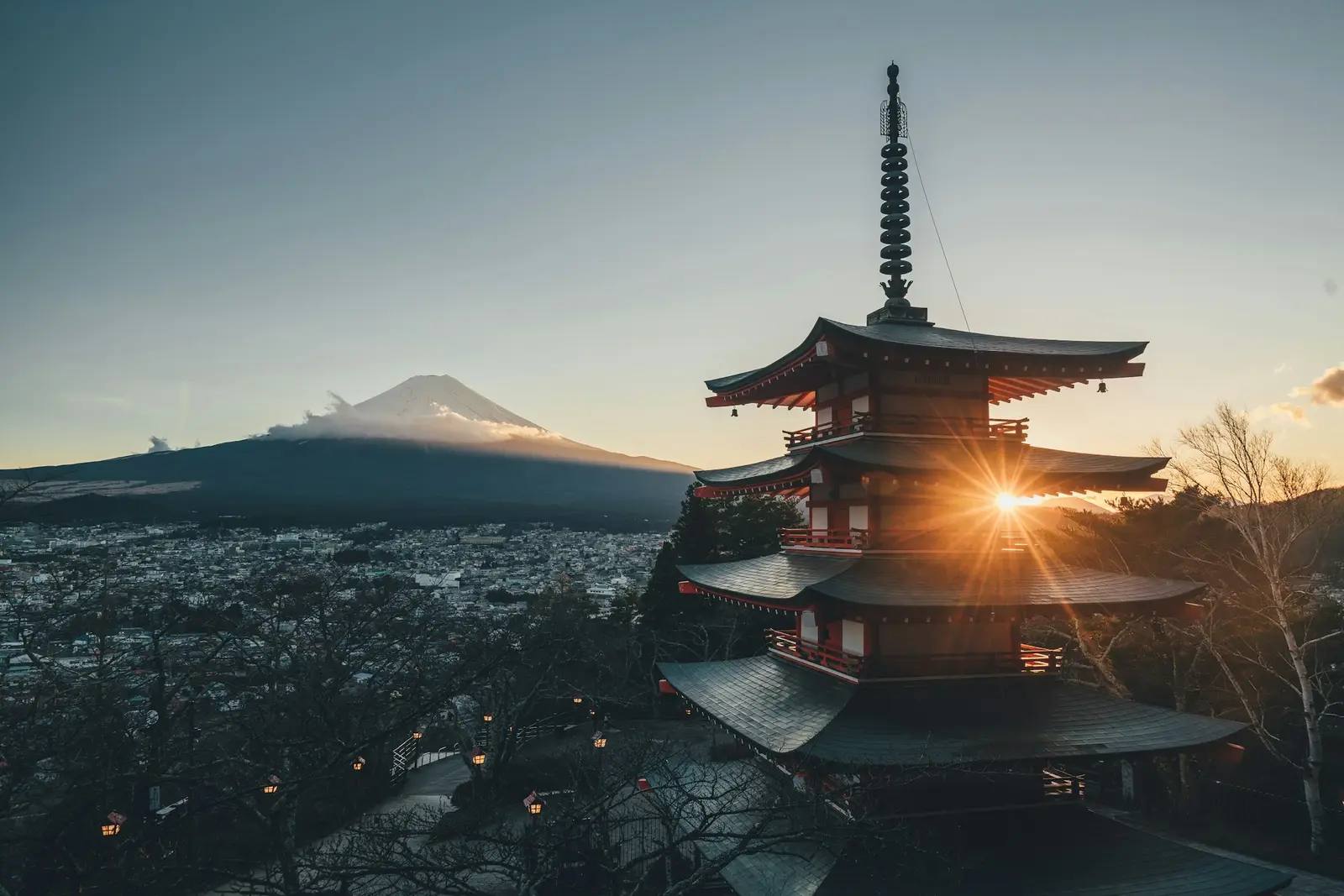
There is a way of travelling through Japan that appears in no standard itinerary: you follow the food rather than the sights. A culinary journey through Japandoes not begin with the question “What do I have to see?”, but with “What tastes of this place – and only of this place?”. It leads you to places that no guidebook puts on its first page: a fishing village on the Sea of Japan, a soy sauce brewery from the 19th century, a restaurant deep in the snow-covered mountains of Toyama.
The key points in brief
- Travelling for the food means: following the food rather than the guidebook – the route grows around a region, a speciality, one particular house.
- Where the appeal lies: not in the starred temples of the big cities, but in the regions, where chefs work with ingredients from their own doorstep.
- Auberge: a restaurant with a few guest rooms – you travel there for the meal itself, stay overnight and do not have to travel on after dinner.
- The season decides: every time of year has its high point, from the snow crab in winter to the new rice in autumn.
- The biggest hurdle: the most sought-after addresses are booked out months in advance and often accept enquiries only in Japanese – this is where we plan the route and secure the reservations.
That Japan is the right country for this is being confirmed around the world right now. Yet the picture of “a fish country with good sushi” falls short. Japan’s food culture is deeply regional, shaped by geography and season – and its most interesting chapters have long since stopped taking place only in Tokyo and Kyoto.
We have lived in Japan for more than ten years and plan journeys for travellers from Europe, in English. In this article we share what makes a genuine culinary journey, why the most interesting flavours today are found in the regions – and how “food” as a reason to travel becomes an itinerary that holds together.
Japan, the destination food lovers long for
Japan is the destination that attracts food lovers worldwide more strongly than any other – and the food is one of the main reasons for it. This is not merely an impression, it is measurable: when travellers around the world are asked where they would like to go next, Japan comes first strikingly often.
In the Japan Brand Survey 2025 by the agency Dentsu, an annual survey conducted in twenty countries, Japan came first by a clear margin among the destinations people would like to visit again. The reason given is remarkable: it is not primarily the weak yen that draws people, but the enduring appeal of Japan’s cuisine and products. Among all the experiences that future visitors look forward to, Japanese food comes top.
The Japanese tourism organisation JNTO reaches a similar conclusion in its latest survey of travellers from 22 markets (conducted in late 2024): gastronomy is among the three most frequently named main purposes of travelling abroad at all. Asked what they definitely want to experience on a trip to Japan, travellers from Europe, the Americas, Australia, India and the Middle East clearly put a food culture rooted in Japan’s nature and regions first, with around half of them naming it. And that interest has tangible consequences.
In 2025, for the first time, more than 42 million foreign guests travelled to Japan – a record. Together they spent around 9.5 trillion yen, likewise more than ever before. A considerable share of that money flows not into entrance tickets, but into what ends up on the plate. Japan has understood that its cuisine is one of the country’s strongest arguments – and is deliberately beginning to guide visitors into the rural regions through food.
Sources: Dentsu: Japan Brand Survey 2025, JNTO: survey in 22 markets (2024), JNTO: visitor numbers 2025, Japan Tourism Agency (JTA): consumption survey 2025
For you as a traveller this means: you are in good company if you want to discover Japan through the palate. What remains is the question of what “travelling for the food” actually means – because it is something different from simply eating well.
What gastronomy really means
Gastronomy is not the same as luxury. Anyone who hears the word and thinks of expensive tasting menus and starred temples is confusing it with what the Japanese call, a little mockingly, bishoku – “indulgent eating”. The original, almost academic meaning of gastronomy is something else: to understand food in the context of its origin – the terroir of a region, its history, its geography, the stories behind the ingredients.
Kōtarō Kashiwabara, chairman of the Japanese gastronomy association and a long-standing connoisseur of restaurants, describes it with an apt image: in his view, experiencing gastronomy is less like satisfying hunger and more like a sport of its own – or like listening to classical music. You enjoy not only the taste, but the whole context, the composition, the history along with it. A single, straightforward dish – a bowl of ramen, a rice bowl – tastes good immediately. A gastronomic experience, by contrast, only unfolds once you know where it comes from and why it is the way it is.
Something practical follows from this: real gastronomy can hardly be “ticked off” from a distance. It requires you to travel to the place. That is exactly why food becomes a reason to travel – and not merely a pleasant side effect of the journey. Add travel to the concept and you arrive at gastronomy tourism: you plan the journey around the food, not the other way round.
The new luxury lies in the regions
People who travel for the food today rarely look for the loudest place – they look for a place of their own. That is a remarkable shift: where the grand, glittering starred restaurant in Tokyo or Kyoto used to count as the high point, discerning food lovers are now drawn to places where thousands have not been before them.
The reason is easy to follow. A three-star house in the capital that receives tens of thousands of guests a year is a safe, magnificent experience – but a familiar one. The real appeal today lies off to one side: in a restaurant you have to work for, in a region whose name most Europeans have never heard. It is the same impulse that draws many travellers away from the crowded paths – one that we describe again and again in our guide to independent travel as well.
There is also a craft-related reason why the most interesting chefs are moving to the provinces today – and not the other way round. Many of them grew up there, went to the big city to learn and returned with one insight: the best ingredients are not in Tokyo, they are at home. A cook who harvests in the morning what lies on the plate in the evening, who knows exactly which hunter, which fisherman, which farmer supplied a product, can reach a depth that is hard to find in an anonymous big-city kitchen. In the regions, these chefs say, food has a soul again.
The auberge – dining and staying as one experience
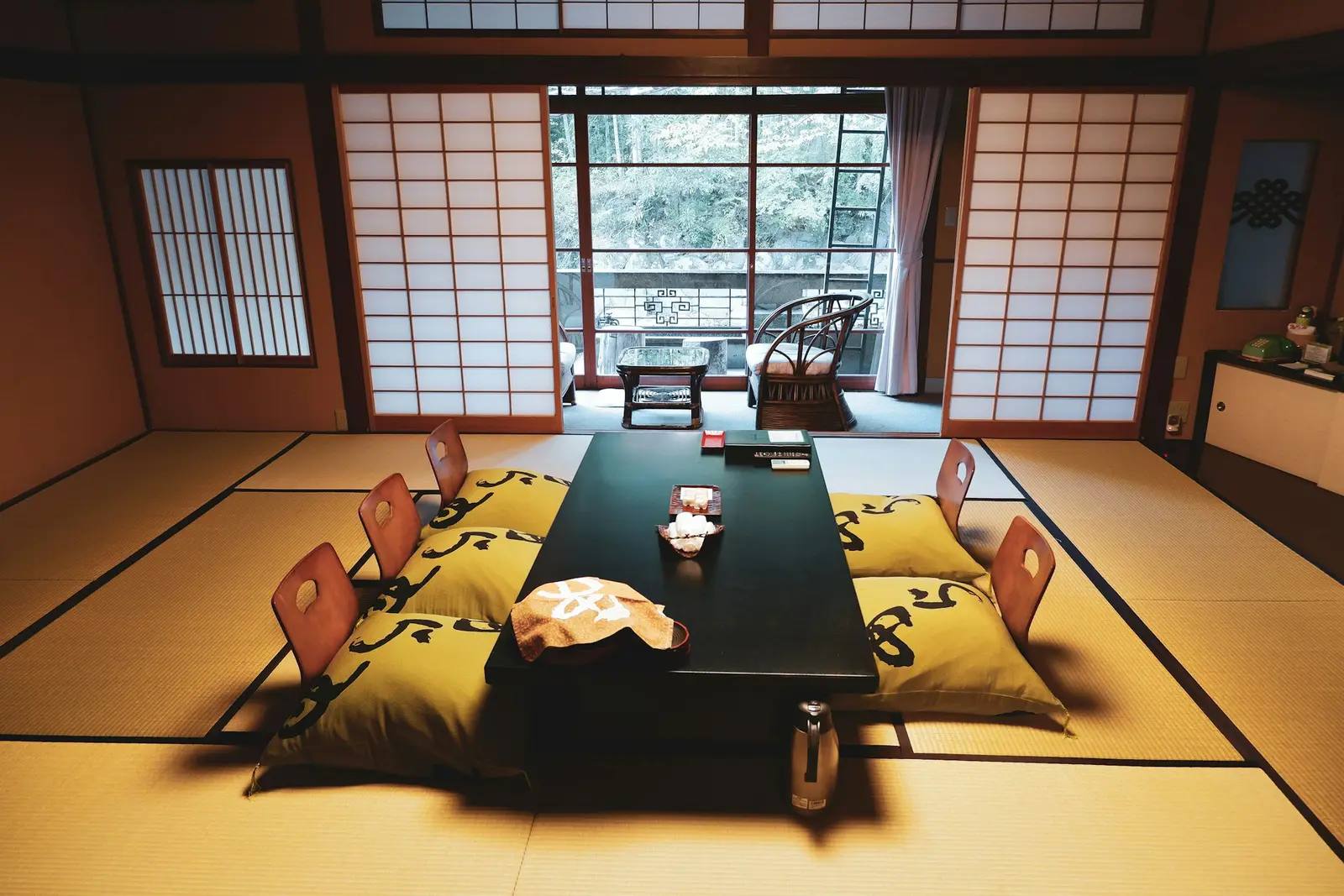
An auberge is a restaurant with a few guest rooms, in which the kitchen is at the centre and the overnight stay deliberately takes second place. This form of hospitality, which comes from Europe, appears wherever a restaurant lies so remote that travelling back in the evening makes no sense. You travel there for the meal itself, let the evening end with a multi-course menu and afterwards only walk up a flight of stairs to bed – no journey, no interruption. The accommodation is deliberately restrained; the star around which everything turns is the kitchen. That is the subtle difference from the classic ryokan, where the bath and the accommodation itself are at the centre.
Two houses show particularly well what this is about – and how far people travel for it:
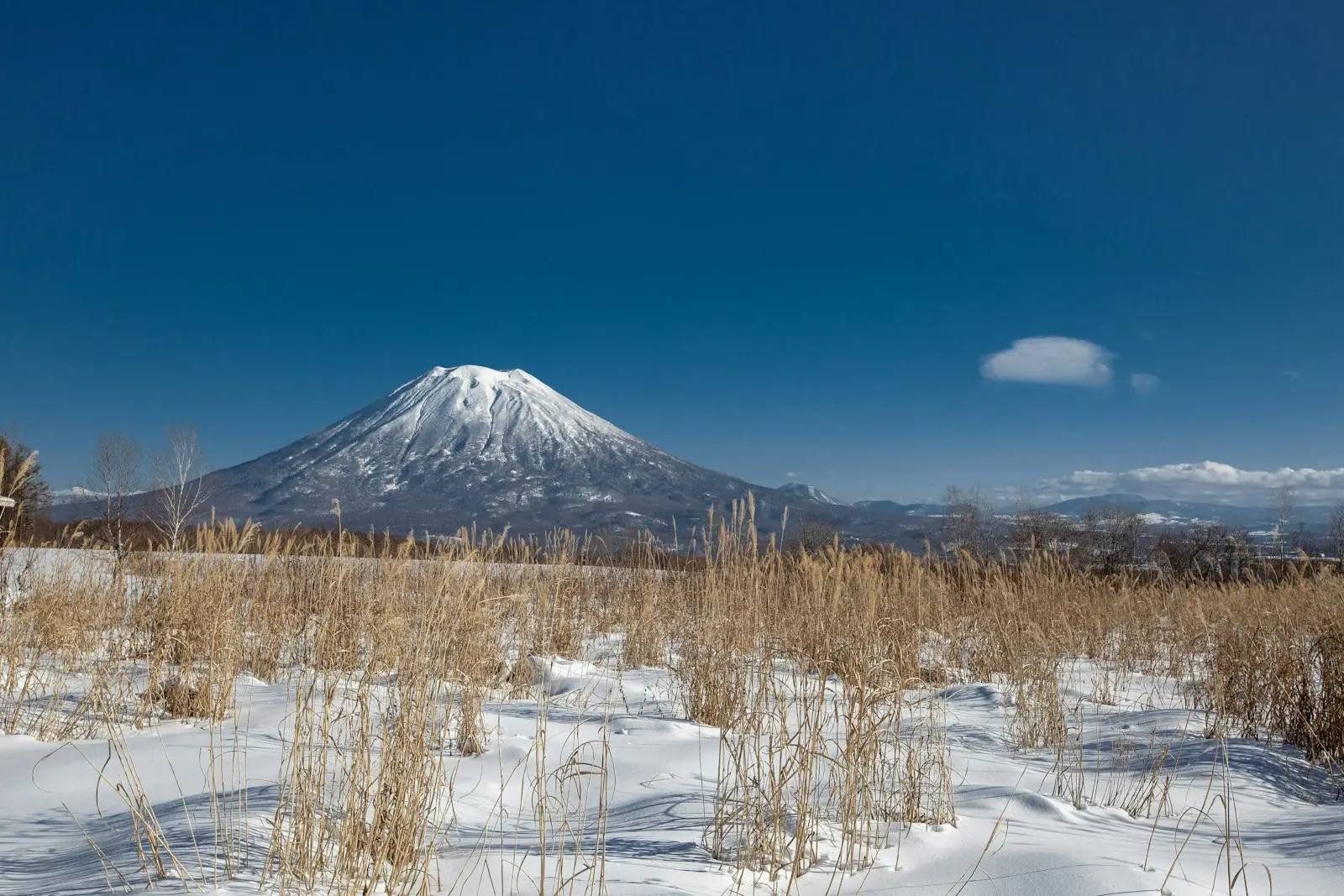
- L’évo, Toyama Prefecture.Deep in the mountain village of Toga, hard to reach even by car, Eiji Taniguchi cooks an “avant-garde regional cuisine” – game from local hunters, vegetables from his own garden, fish from Toyama Bay. The house holds two Michelin stars and is laid out as an auberge with its own guest cabins. Anyone who comes here comes only for this food – and for the stillness all around.
- ELEZO ESPRIT, Hokkaido. On the lonely Pacific coast of the Tokachi region, Shota Sasaki devotes himself to game meat (gibier) with an almost philosophical attitude: out of respect for the animal, as much of the whole animal as possible is used, from the bone to the fillet – the sequence of courses begins with a “consommé of life” made from venison. In 2024 the house was named “Destination Restaurant of the Year” by The Japan Times. It has only three guest cabins.
Experiences like these have their price – the tasting menu at L’évo is around 31,000 yen, and one night with half board at ELEZO ESPRIT starts at about 55,000 yen per person. Yet these houses stand for something larger than the sum on the bill: a single chef can change an entire region by making its producers visible and carrying its products out into the world. That is precisely the heart of what is happening in Japan at the moment under the heading of culinary revitalisation of the countryside.
The regions and their cuisine
Japan’s culinary map is remarkably fine-grained: almost every region stands for a speciality that never reaches the same quality anywhere else. If you travel for the food, you plan your route along these names – and along the season, because the two are inseparable. A small selection that we like to use as the anchor of a journey:
| Region | Speciality | Best time |
|---|---|---|
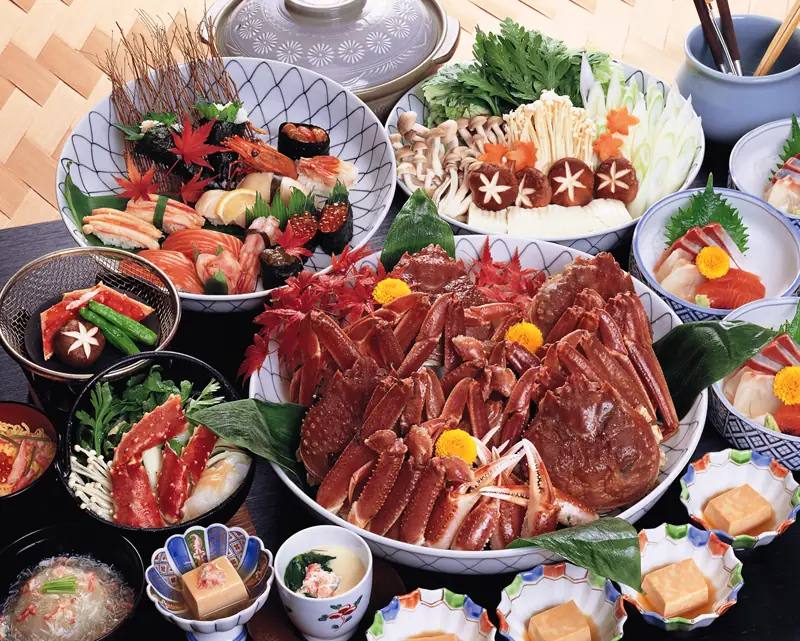
| Hokuriku (Fukui, Ishikawa) | Echizen snow crab, sushi from the Sea of Japan | Winter (Nov–March) |
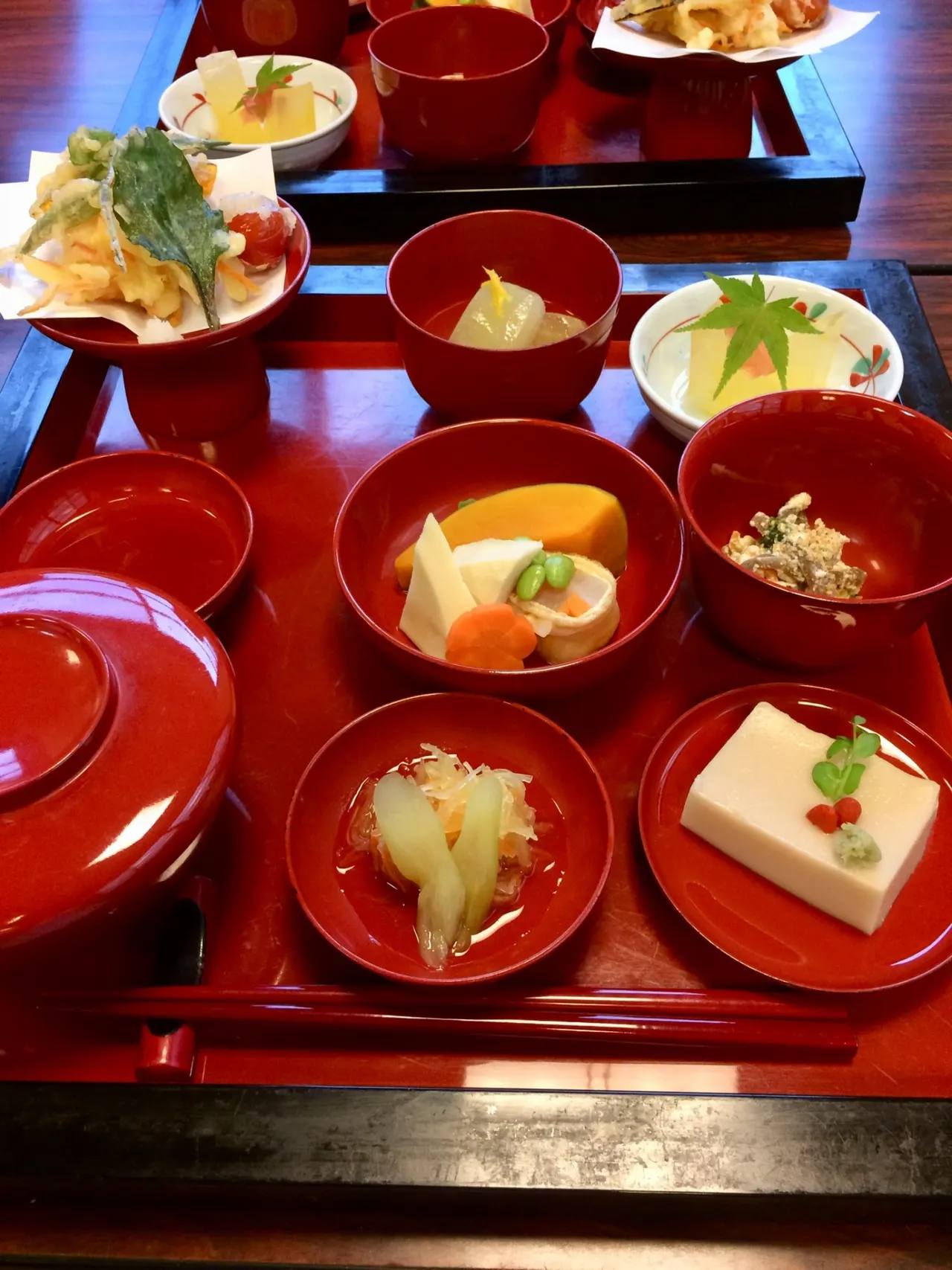
| Kyoto | Kaiseki, tofu and temple cuisine | all year, peak in autumn |
| Fukuoka (Kyushu) | Tonkotsu ramen, street food stalls (yatai) | all year |
| Niigata | Rice, sake breweries | autumn (new rice), winter (sake) |
| Uji near Kyoto | Matcha and green tea culture | all year |
| Hida (Gifu) | Hida beef, mountain cuisine | all year |
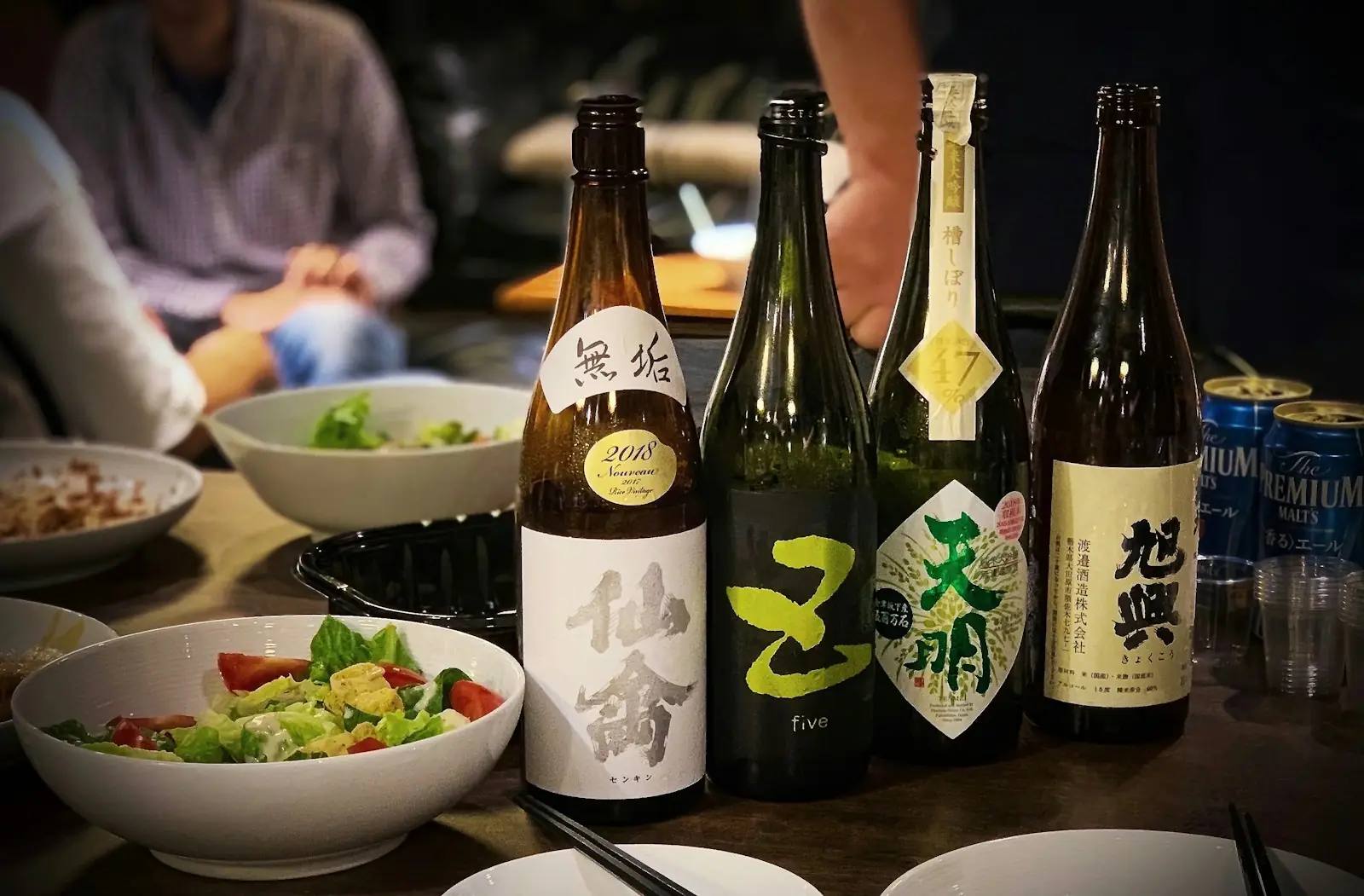
Behind each of these names lies a world of its own. Fukuoka’s creamy tonkotsu ramen, simmered for hours from pork bones, earned the city the award from Lonely Planet as culinary travel destination of the year 2023. Niigata, on the often overlooked west coast, lives from rice and sake – here you taste in the breweries what elsewhere only arrives in the bottle. Uji, in turn, south of Kyoto, is the classic address for Japanese green tea – which varieties are worth trying and how a tea ceremony actually unfolds, you can read in our guide to matcha and Japanese tea. And in the Japanese Alps, around Hida-Takayama, a beef matures that is in no way inferior to the famous Kobe beef and that hardly any visitor knows.
The season here is not a detail, it sets the rhythm. If you travel to the Hokuriku coast in February, you come for the snow crab; in spring bamboo shoots and mountain herbs beckon, in autumn mushrooms, chestnuts and the first new rice. Which journey is most worthwhile when, you can read in detail in our guide to the best time to visit.
Why you have to be there
The finest thing about a culinary journey is what you have not planned. Anyone who researches every restaurant in advance runs the risk of doing nothing on the ground but confirming their own expectations – the famous speciality tastes exactly as good as you had read, and yet the feeling remains of having only confirmed what you already knew. The moments that truly stay with you come about differently.
There is an anecdote that Kashiwabara likes to tell: after an evening at one of the country’s most celebrated auberges, what stayed with him most strongly was not the elaborate menu, but the plain, dense tofu served at the simple breakfast the next morning – a local recipe that you can get only in that one place. Such moments cannot be booked. They happen only if you are there.
That is also the reason why food lovers often visit the same region several times. An auberge in spring is a different house from the same auberge in winter – different ingredients, different mood, different menu. What begins as a one-off journey becomes a habit across the seasons. A culinary journey is rarely finished; it usually opens the next one.
From a reason to travel to an itinerary
A single restaurant is not yet a journey. The pleasing thing about gastronomy tourism is how naturally one destination grows into a whole route. Anyone who travels to Toyama for L’évo is only an hour by train from Kanazawa – and eats the sushi of that region there; anyone who is nearby in winter takes in the Echizen crab in Fukui. An “I would like to eat there one day” turns, almost by itself, into a well-considered round trip through an entire landscape.
In practice this combines the fast and the slow Japan: the Shinkansen, to cover long distances effortlessly, and on the ground a rental car or a local train line, to reach the remote houses. How a coherent sequence over two or three weeks can be built from this, we show in our route guides for two weeks and three weeks in Japan.
One hurdle remains, and it is where many people come unstuck: the reservation. The most sought-after addresses often have only ten seats, are booked out months in advance and at times accept enquiries exclusively in Japanese or through a personal recommendation. This is exactly where a fine idea becomes a question of execution.
A journey that follows the food
Tell us what you would like to taste – a region, a speciality, one particular house. We design a route from it that works, and we take care of the reservations that are almost impossible to obtain from Europe.
Book a free 30-minute consultationHow we plan your culinary journey
You can prepare this journey on your own – many of our guests have tried and got stuck at the same points: at restaurants without an English website, at booking systems that require a Japanese address, at the question of how a remote house can sensibly be fitted into the route at all. What we take on, concretely:
- Reservations in Japanese. We enquire directly with the houses – in Japanese, often by telephone – and secure dates that never appear online in the first place. Where a personal recommendation is needed, we use our contacts on the ground.
- The route built around the food. Instead of delivering a list of addresses, we build your journey so that travel, accommodation and menu fit together – and so that enough room to arrive remains between two high points.
- Advice on the season. We tell you honestly whether the destination you have in mind is worthwhile in your travel period – promising snow crab in July would not be serious.
- Dietary requirements and allergies. We clarify in advance with the kitchen what is possible – especially with vegetarian or vegan requirements, on which we have written a detailed guide of our own.
We are Japan Privat: a Japan-based travel designer for individual journeys through Japan, advising you in English. We live here, we eat our way through these regions – and for our guests we turn the wish to “eat there one day” into a journey that works as a whole. Why this kind of guidance is worthwhile you can also read in our article on why a Japan specialist often makes the difference.
Frequently asked questions
What is a culinary journey, or gastronomy tourism?
Gastronomy tourism means making food the actual reason for the journey – not an accessory between the sights, but the thread that runs through the whole trip. It is less about expensive luxury dining than about context: the terroir of a region, its history, the stories behind the dishes. In Japan that means above all leaving the big cities and travelling to the place an ingredient comes from.
Do I have to be wealthy to travel through Japan for the food?
No. The outstanding auberges and starred addresses are the summit, not the standard. A culinary journey works just as well through regional specialities, markets, sake breweries, a simple soba restaurant or a farmhouse breakfast – experiences that cost little and often stay in the memory most strongly. What matters is the attitude of following the food, not the budget.
When is the best time of year for a culinary journey to Japan?
Every season has its own culinary high point – that is precisely the appeal. Winter brings the famous snow crab (Echizen-gani) to the Hokuriku coast, spring brings bamboo shoots and mountain herbs, summer freshwater fish such as ayu, autumn mushrooms, chestnuts and new rice. Many food lovers therefore travel more than once – the same region tastes completely different in February from how it tastes in October.
What is an auberge – and how does it differ from a ryokan?
An auberge is a restaurant with guest rooms attached: you travel there for the meal itself, stay overnight and enjoy a multi-course menu in the evening without having to travel on afterwards. The concept comes from Europe. Unlike the classic ryokan, where the accommodation and the onsen bath are at the centre, in an auberge the kitchen is the star around which everything turns.
How do I get reservations at restaurants that are hard to access?
Many of the most sought-after addresses have only a handful of seats and are booked out months in advance; some accept reservations exclusively in Japanese or through a personal recommendation. What helps here is either a long lead time and patience – or a partner on the ground who knows the houses, enquires in Japanese and fits the dates into a sensible itinerary. That is exactly what we take on for our guests.
Do I need to speak Japanese in order to eat well?
For everyday dining, no – many places have menus with pictures or in English, and a little openness takes you a long way. At higher-end addresses, and with allergies or particular dietary requirements, English quickly reaches its limits. A reservation made in Japanese, a printed card with your requirements and a few polite phrases open doors that would otherwise stay closed.
About the author

Kentaro Asakura
Founder of Japan Privat · A Japan specialist who guides you in English
Kentaro Asakura was born and raised in Japan. His student years took him first to the UK, where English became second nature to him, and later to Munich, where he met his wife, who is German – together they returned to Japan. With Japan Privat, he has been designing individual journeys for European travellers for more than ten years – in English, with the eyes of a local and a genuine feel for what guests from Europe are looking for.