Best Time to Visit Japan 2026: Which Season Suits You?
Table of contents
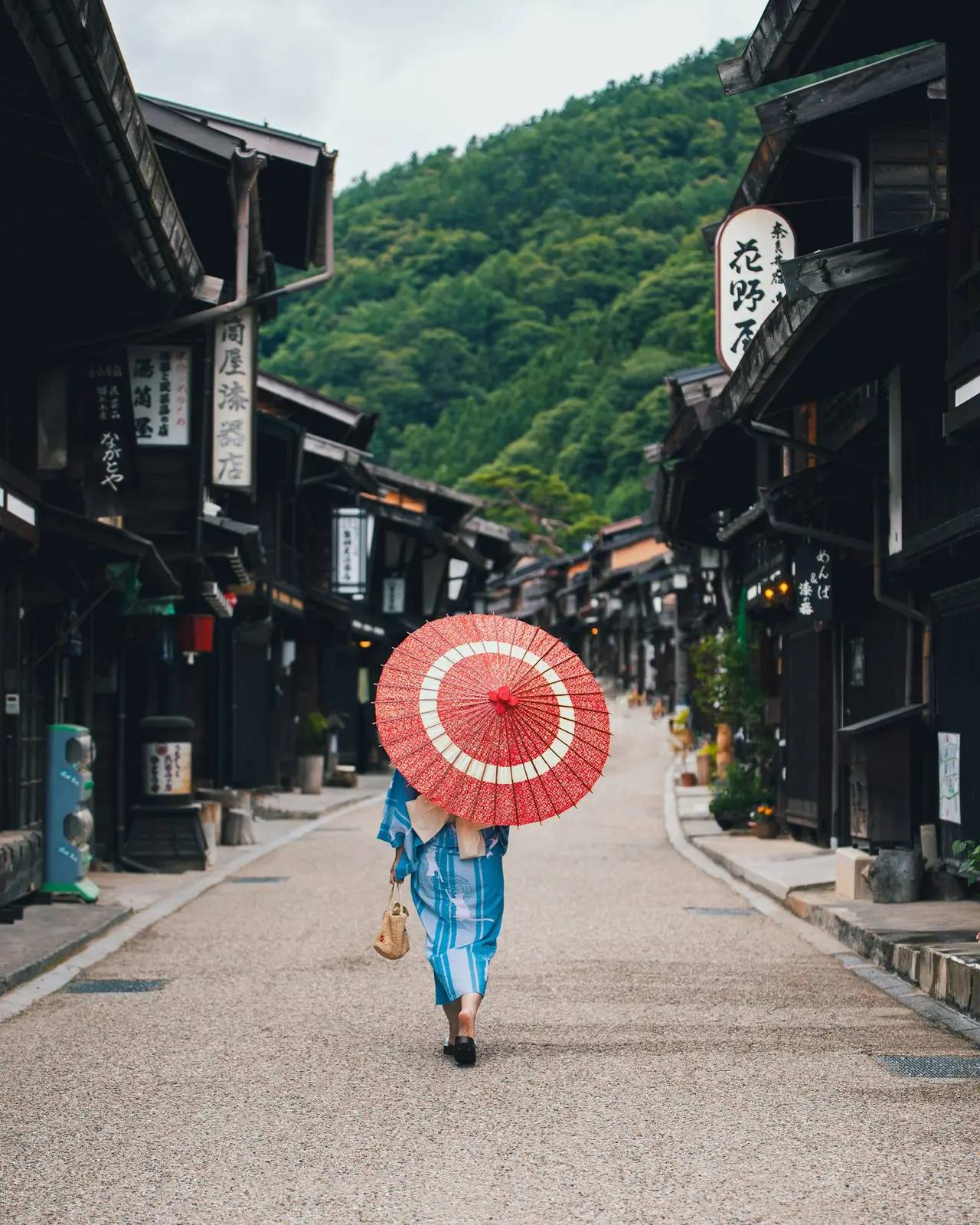
“When is the best time to visit Japan?” – I hear this question almost every day. And my honest answer is: there is no bad time. But there is the perfect time for you personally. After more than ten years in Japan and countless individually planned journeys for our guests, I would like to show you what makes each season special – and which one fits your wishes best.
Are you planning an individual journey through Japan? This article is part of our large overview. You will find the complete guide – with travel seasons, routes, costs and planning – here: Japan Independent Travel 2026 – the complete guide.
In short – the best time to visit Japan:
- Cherry blossom: late March to mid-April (Tokyo/Kyoto), later in Tōhoku and Hokkaidō.
- Autumn leaves: late October to late November – mild, full of colour and mostly dry in November.
- Few crowds, mild weather: May, early June and early December.
- Snow & onsen: December to February (northern Japan, the Japanese Alps).
- Least expensive: January/February (except the New Year days) and the rainy season in late June.
Overview: Japan through the year
The best time to visit Japan depends less on the calendar than on your personal wishes. The reason is geography: Japan stretches over 3,000 kilometres from north to south – from the snow-covered mountains of Hokkaido to the subtropical islands of Okinawa.
Most of our guests from Europe travel the “Golden Route” (Tokyo – Kyoto – Osaka). For this region the rule is: spring (March–May) and autumn (September–November) are the classic high seasons, with mild weather and spectacular scenery. But summer and winter have a charm of their own – often with the advantage that places are far less crowded.
| Season | Months | Highlights | Ideal for |
|---|---|---|---|
| Spring | March–May | Cherry blossom, mild temperatures | First-time visitors, couples, photographers |
| Summer | June–Aug | Matsuri festivals, fireworks, mountains | Adventurers, families, hikers |
| Autumn | Sept–Nov | Autumn leaves, pleasant climate | Connoisseurs, culture lovers, senior travellers |
| Winter | Dec–Feb | Snow onsen, skiing, illuminations | Winter sports enthusiasts, romantics, those seeking quiet |
Spring (March–May): the cherry blossom and more
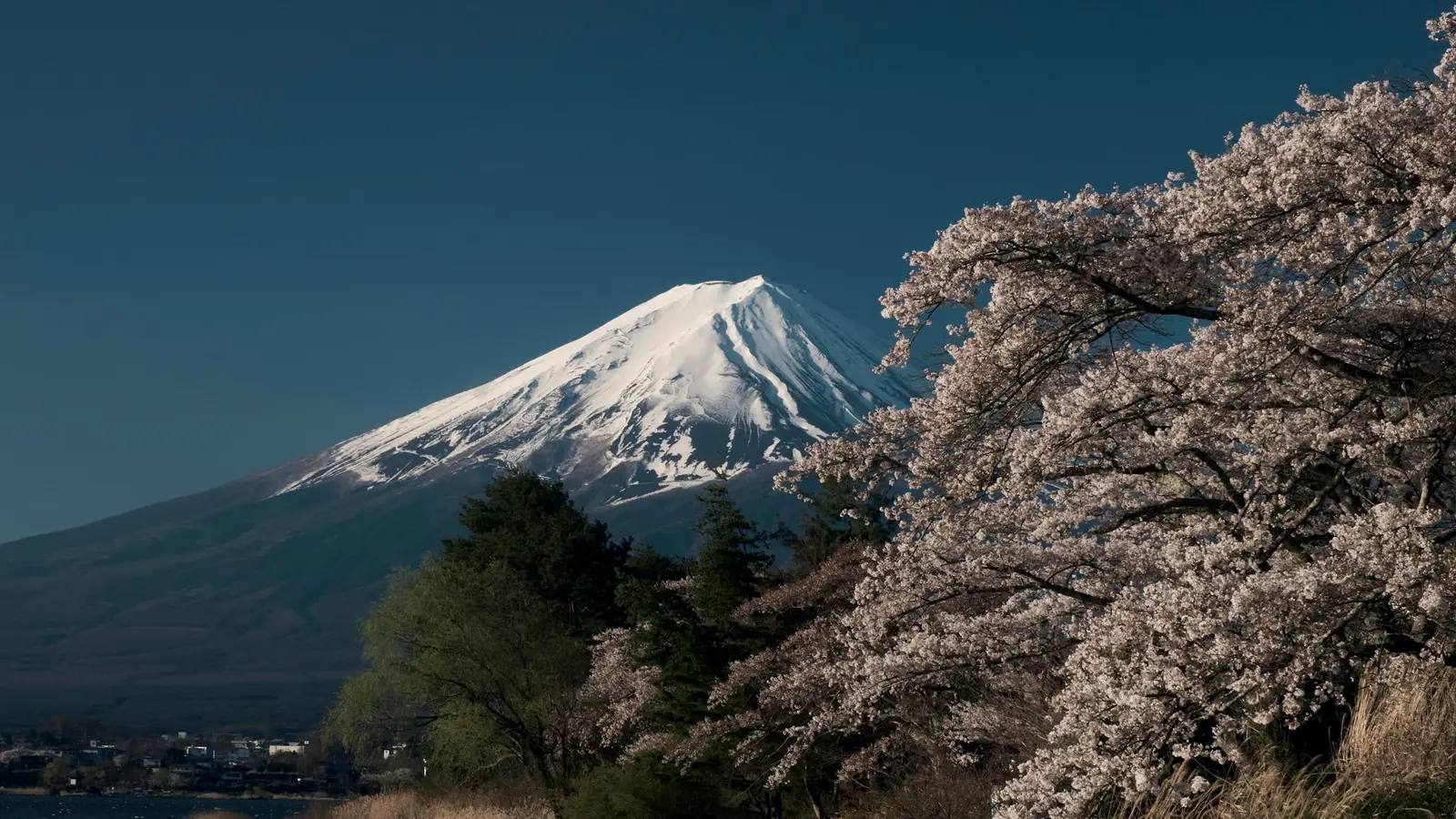
When you think of Japan, you probably picture pink cherry blossom in front of a traditional temple. In spring that image becomes real – and it is even more beautiful than you imagine.
Cherry blossom (sakura): late March to mid-April
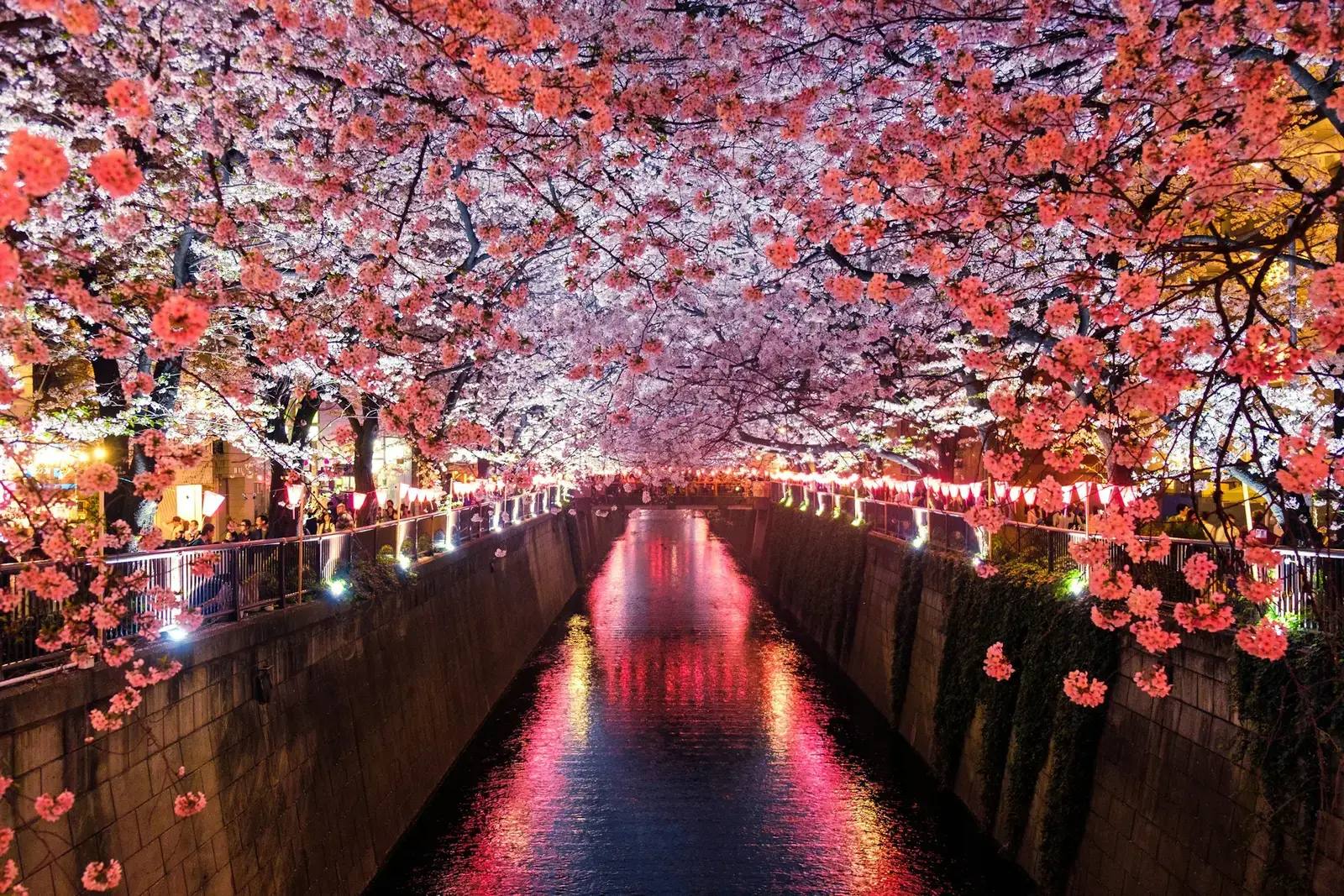
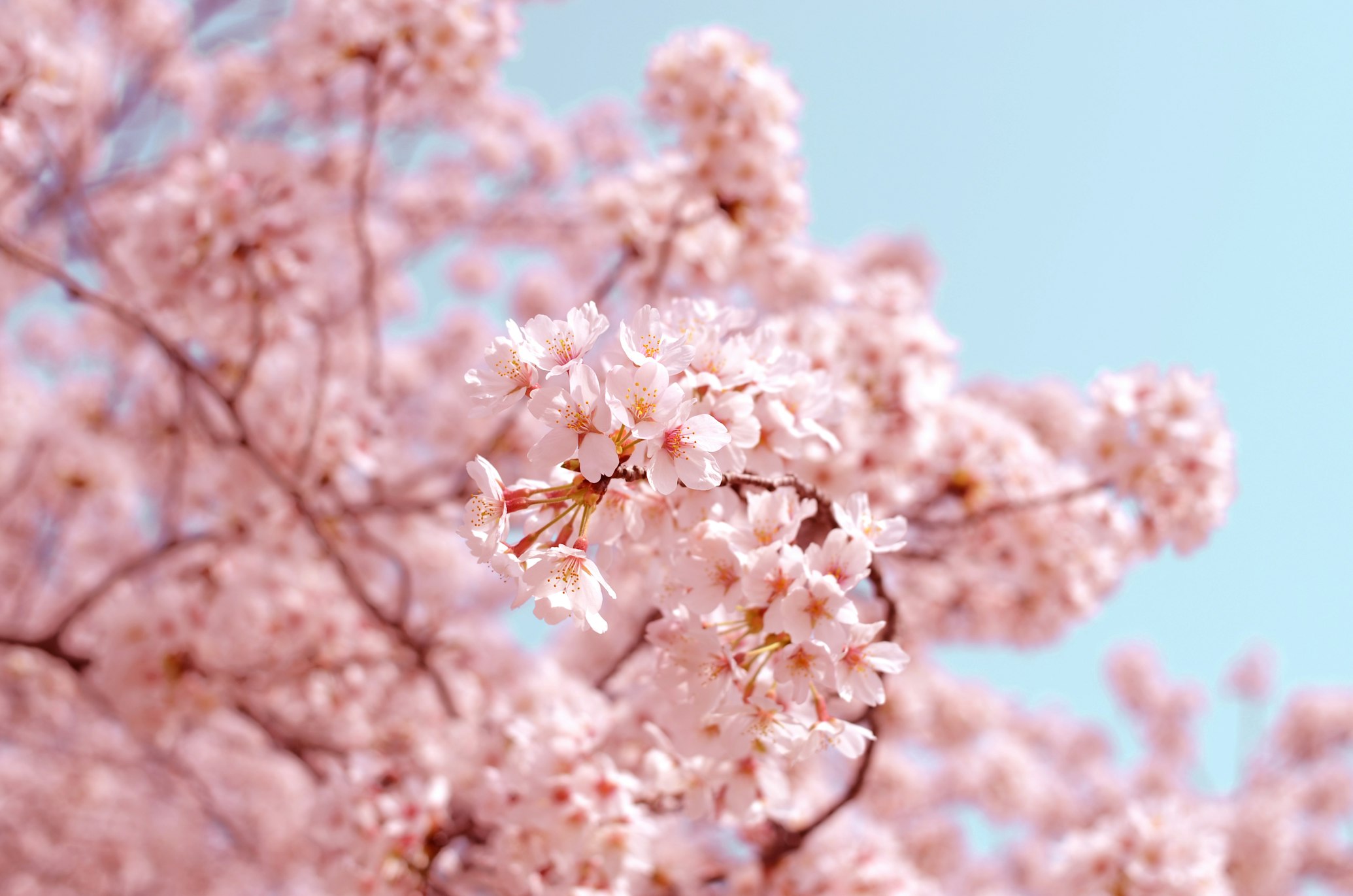
The cherry blossom is a natural spectacle that puts the whole of Japan in a festive mood. The blossom moves from south to north: in Kyoto and Tokyo it typically begins in late March and lasts about two weeks. On Hokkaido the trees do not blossom until early May.
My tip: Do not plan your journey around the cherry blossom alone. The sakura forecast only becomes precise a few weeks beforehand, and even then the timing can shift by several days. If you are flexible, I can adjust your route so that you are very likely to see the blossom – whether in Tokyo, Kyoto or a lesser-known region. You will find the average blossom dates for each region, the principle of the cherry blossom front and honest planning advice in our detailed guide to the cherry blossom in Japan 2027.
Weather and temperatures in spring
In Tokyo and Kyoto, daytime highs rise from around 14°C in March to 24–25°C in May; mornings and evenings are noticeably cooler at 4–15°C – with a light jacket, ideal for full days of exploring. Humidity is lower than in summer. Spring is not dry, though: at least 1 mm of rain falls on 9–10 days a month, so pack an umbrella. The actual rainy season (tsuyu) only begins in June in Tokyo and Kyoto.
What you should know
- Booking: During the cherry blossom season, hotels in Kyoto and Tokyo are often fully booked 6 months in advance. Planning early is essential.
- Prices: In the cherry blossom season, accommodation is 30–50% more expensive than in the low season – in especially popular locations such as Kyoto or Tokyo, prices can even double.
- Golden Week (29 April – 6 May 2026): Japan’s big spring holiday period – in 2026 the public holiday on 29 April, followed by five consecutive days off from 2 to 6 May. Domestic travel is extremely popular, shinkansen seats sell out early, and prices rise noticeably once again. I recommend avoiding this week, or spending it deliberately in less touristic regions.
Current information on events and official travel advice: Japan National Tourism Organization (JNTO)
Planning a cherry blossom journey for 2027
The best places to stay during the sakura season are booked out early. I will help you put together the ideal route, with confirmed reservations.
Enquire about a cherry blossom journeySummer (June–August): festivals, mountains and hidden paradises
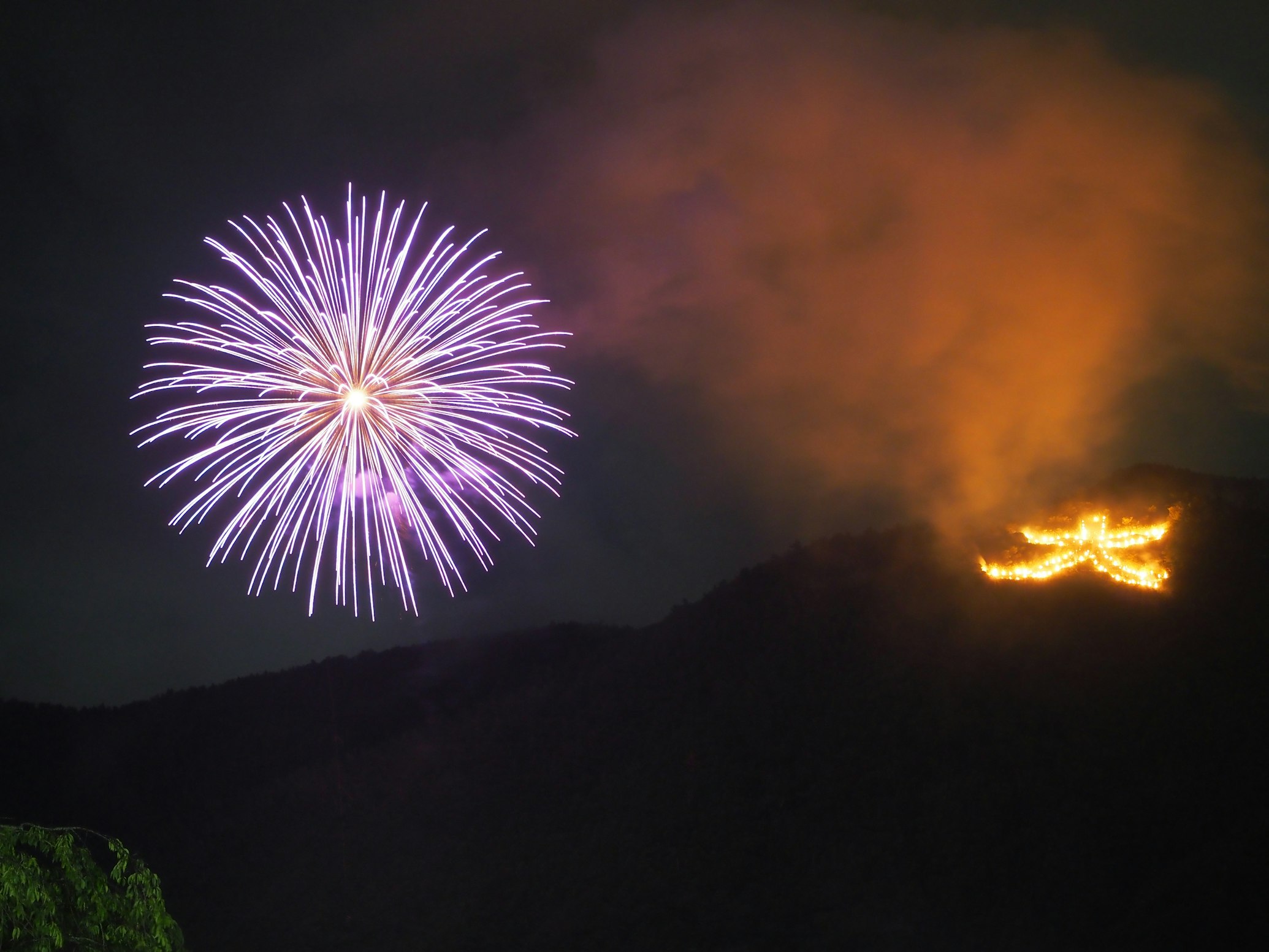
The Japanese summer is hot and humid – with the rainy season from June to mid-July and average daytime highs of 30–34°C at the height of summer (July and August in Tokyo and Kyoto). Anyone willing to accept that is rewarded with the matsuri festivals, the fireworks and the cool mountain regions that most tourists never experience. This is precisely why many guidebooks advise against summer – and precisely what makes it interesting.
The rainy season (tsuyu): June to mid-July
The rainy season sounds worse than it is. It does not rain continuously, but in heavy showers, between which the sun often comes out. The landscape is especially green and alive at this time. The temples and gardens of Kamakura in particular, with their flowering hydrangeas (ajisai), offer an incomparable sight. How the rainy season develops region by region – and why June is still worthwhile – is explained in our guide to the rainy season and typhoon season in Japan 2026.
My tip:Hokkaido has no rainy season. If you would like to travel in June, combine Tokyo with a week on Japan’s northernmost main island.
High summer: July and August
Average daytime highs of 30–34°C, nights that barely drop below 22–25°C and high humidity make the large cities demanding. Some days are considerably hotter: in August, Kyoto reaches 35°C or more on around 12 days on average, and recent summers have been well above these 1991–2020 averages. But this is exactly when what Japan is famous for takes place: matsuri (traditional summer festivals). Immense fireworks (hanabi), where the large events set off tens of thousands of rockets, colourful processions and streets full of yatai (food stalls) – this is Japan at its most vivid.
- Gion Matsuri (Kyoto, July): One of the three great festivals of Japan – dating back to 869 AD and therefore already more than 1,150 years old.
- Sumida River fireworks (Tokyo, July): Around 20,000 fireworks above the skyline.
- Obon (mid-August): The Buddhist festival of the ancestors – dances and lantern ceremonies take place all over the country.
Which matsuri and hanabi (summer fireworks) are especially worthwhile – and how to plan around the heat and the Obon period – is described in our article Summer in Japan: matsuri and fireworks.
Insider tip: the Japanese Alps
While Tokyo swelters, the Japanese Alps bring relief above all at night: in Takayama and Hakuba, August nights cool to 18–20°C on average (Tokyo: 24°C), and at higher altitudes such as Kamikochi, at around 1,500 metres, it is noticeably cooler than in the city during the day as well. Places such as Kamikochi, Takayama and Hakuba offer first-class hiking trails, crystal-clear mountain rivers and traditional mountain villages – with almost no international tourists. If you are looking for quiet places like these away from the tourist trails, you will find more of them in our Japan hidden gems 2026.
Autumn (September–November): Japan’s most colourful season
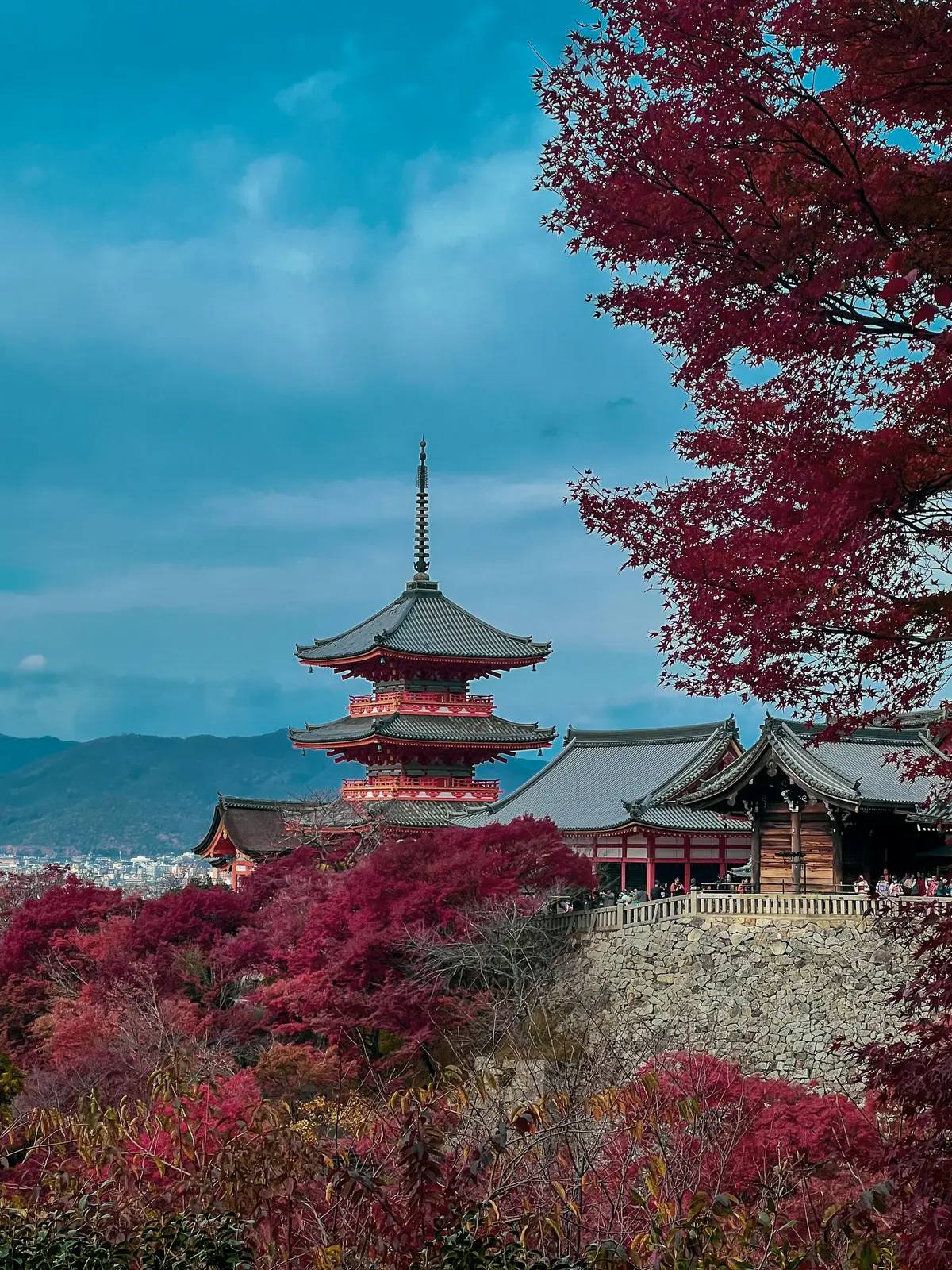
Autumn is my personal favourite time of year. The heat of summer is over, the air is clear, and the whole of Japan turns into a painting of red, orange and gold. For many of our European guests, autumn is the ideal time to travel – the weather is reminiscent of a warm late summer in Europe, only with far more colour.
Autumn leaves (koyo): October to December
Like the cherry blossom, the autumn foliage travels – but in the opposite direction, from north to south. On Hokkaido and in the Alps the colours begin as early as late September; in Kyoto they reach their peak between mid and late November.
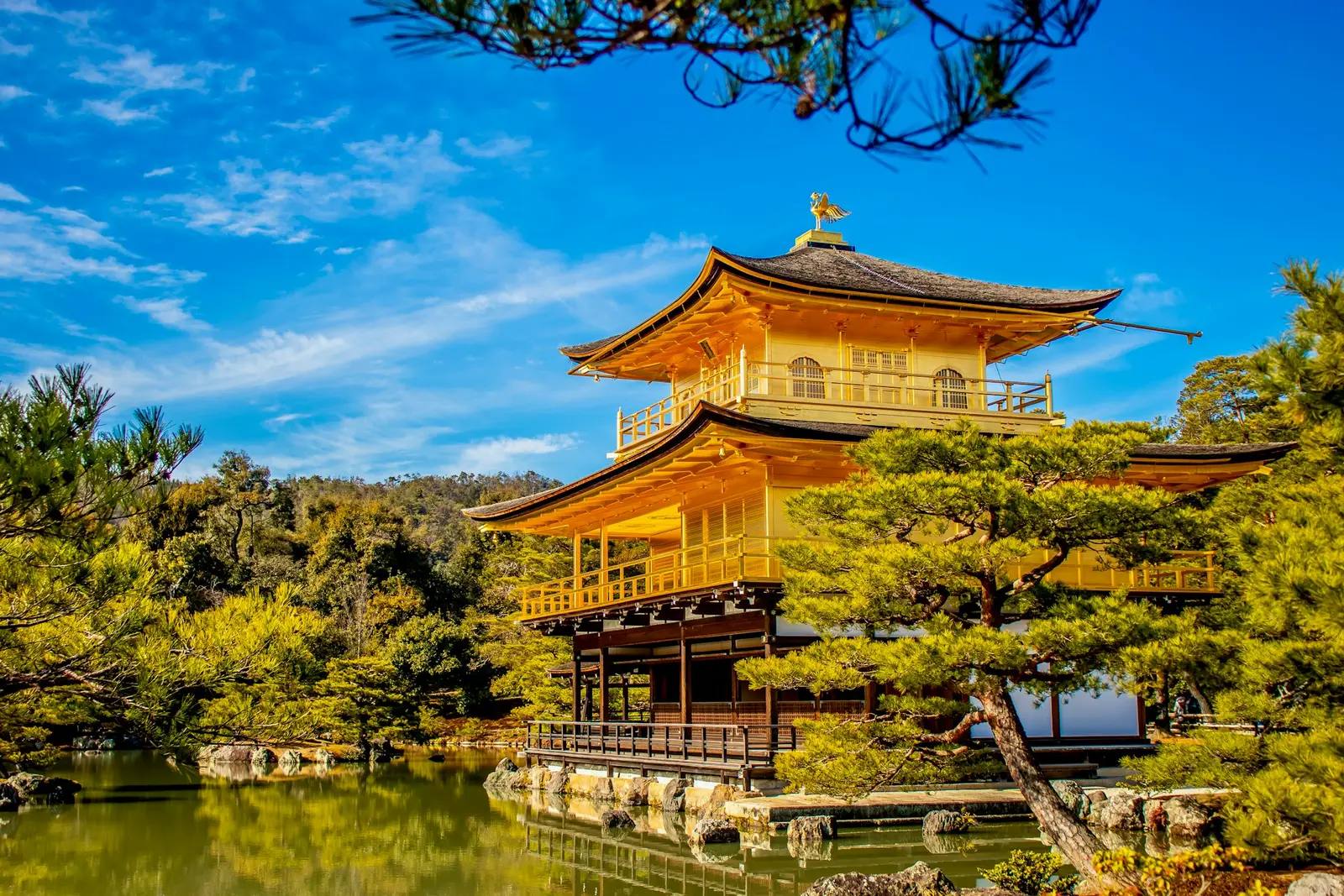
- Kyoto (November): Tofuku-ji, Eikando and the bamboo groves of Arashiyama in autumn colours – timelessly beautiful.
- Nikko (October): The ornate shrines surrounded by glowing foliage – one of the most impressive places in autumn.
- Japanese Alps (October): Kamikochi and the Tateyama Alpine Route offer dramatic mountain landscapes in autumn colours.
You will find all the places, the best time to travel and the dates of the evening illuminations in our detailed guide Autumn leaves in Japan 2026.
Weather and temperatures in autumn
September can still be warm (20–29°C), but from October onwards it becomes pleasantly mild (14–23°C). November brings cooler temperatures (8–17°C), which are ideal for long walks and temple visits. Early autumn is not dry, though: September and October are the wettest months of the year in Tokyo, partly because of the typhoon season (August–October). In November, rain falls on only 6–7 days a month.
Why autumn is particularly well suited to senior travellers
Many of our guests aged 60 and over prefer autumn. The mild temperatures make autumn the best season for comfortable exploring, the crowds are somewhat smaller than in spring, and nature offers photographic subjects that are just as spectacular. On top of that: the finest onsen ryokan are particularly atmospheric in autumn, when you slip into hot spring water after a day outdoors.
Winter (December–February): snow, onsen and quiet beauty
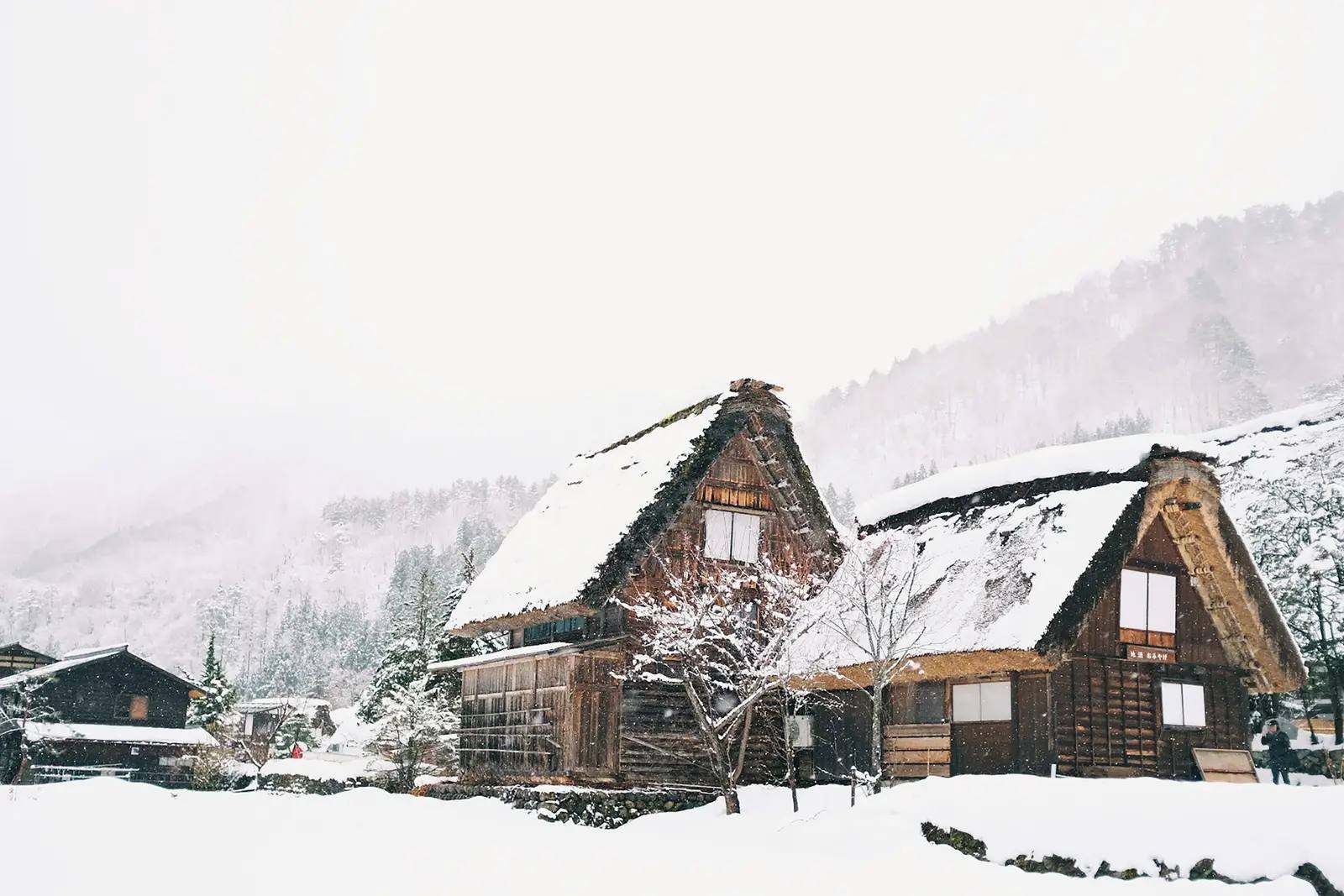
Winter brings snow-covered mountains with steaming onsen, legendary powder snow for skiing and mild, dry weather in Tokyo and Kyoto (1–12°C) – almost entirely without queues, because most tourists come in spring and autumn. The Japanese winter is therefore often underestimated – unfairly so.
Snow and onsen: made for each other
Outside, snowflakes fall quietly while you sit in a steaming open-air onsen with a view of snow-covered mountains. For many of our guests, precisely this moment remains the strongest memory of their journey through Japan. Places such as Ginzan Onsen (often compared to the film “Spirited Away”), Nyuto Onsen in Akita or Kurokawa Onsen in Kyushu offer exactly that.
Skiing: Japanese powder snow
Japan has some of the best ski areas in the world. The “Japow” (Japan Powder) is legendary among skiers: Niseko receives an average of 12–15 metres of snow per season – light and dry thanks to cold winds from Siberia. Niseko on Hokkaido is the best-known area, but Nozawa Onsen and Hakuba in the Japanese Alps often offer better conditions and fewer crowds.
Winter highlights
- Sapporo Snow Festival (February): Huge ice sculptures and snow architecture – one of the largest winter festivals in the world.
- Illuminations (December–January): Millions of lights turn parks and gardens into magical landscapes. Especially impressive at Nabana no Sato (Kuwana, near Nagoya). The Kobe Luminarie now only takes place from late January to early February.
- New Year (shogatsu): Japan’s most important holiday. Temples and shrines welcome millions of visitors for the traditional hatsumode ceremony.
- Snow monkeys in Nagano: The famous Japanese macaques bathing in hot spring water – a unique photographic subject.
Weather and temperatures in winter
In Tokyo and Kyoto the winter is mild (9–12°C by day, 1–4°C at night) and dry – ideal sightseeing weather, provided you dress warmly enough. In the mountains and on Hokkaido, temperatures hover around and below freezing with plenty of snow. One advantage: the air is clear, and on sunny days Mount Fuji is particularly visible from Tokyo.
Climate table: Tokyo and Kyoto through the year
The following table shows the average temperatures and rainy days for the two most-visited cities. Seven cities from Sapporo to Okinawa – and what to wear there in each month – are covered in our article Weather and what to wear by month:
| Month | Tokyo (°C) | Kyoto (°C) | Rainy days Tokyo | Rainy days Kyoto | Rating | Highlights |
|---|---|---|---|---|---|---|
| January | 1–10 | 2–9 | 5 | 6 | ⭐ | Few tourists, clear air |
| February | 2–11 | 2–10 | 5 | 7 | ⭐ | Sapporo Snow Festival |
| March | 5–14 | 4–14 | 9 | 10 | ⭐⭐⭐ | Sakura begins |
| April | 10–19 | 9–20 | 10 | 9 | ⭐⭐⭐ | Cherry blossom peak |
| May | 15–24 | 15–25 | 10 | 10 | ⭐⭐ | Warm, before the rainy season |
| June | 19–26 | 19–28 | 12 | 12 | ⭐ | Rainy season (tsuyu) |
| July | 22–30 | 24–32 | 11 | 12 | ⭐ | Matsuri season |
| August | 24–31 | 25–34 | 8 | 8 | ⭐ | Fireworks, Obon |
| September | 20–28 | 21–29 | 11 | 10 | ⭐ | Typhoon risk, but beautiful days |
| October | 15–22 | 14–23 | 11 | 8 | ⭐⭐ | Autumn leaves begin |
| November | 9–17 | 8–17 | 7 | 6 | ⭐⭐⭐ | Koyo peak in Kyoto |
| December | 4–12 | 4–12 | 5 | 7 | ⭐⭐ | Illuminations, winter sports |
Source: 1991–2020 climate normals of the Japan Meteorological Agency (JMA). Rainy days = days with at least 1 mm of precipitation.
Which season suits you?
The best time to travel depends on what you would like to experience in Japan. Here is a guide to help you decide:
| Your interest | Best time | Why |
|---|---|---|
| First visit / classic route | Spring or autumn | Mild weather, all highlights within reach |
| Honeymoon | Spring (sakura) or winter (onsen) | Pure romance – blossom or snow |
| Hiking / nature | Summer (Alps) or autumn | Mountain trails open, breathtaking scenery |
| Culture / temples | Autumn or winter | Fewer crowds, a contemplative atmosphere |
| Skiing | December–March | Legendary powder snow |
| Experiencing festivals | Summer (July–August) | Matsuri, fireworks, Obon |
| Few tourists / budget | January–February or June | Low season = lower prices |
| Travelling with senior guests | Autumn (October–November) | Mild temperatures, fewer crowds than in spring |
Insider tips from the specialist on the ground
After more than a decade in Japan, I would like to share a few things with you that are in no guidebook:
- The “shoulder seasons” are worth their weight in gold. Early March (before the cherry blossom) and early December (after the autumn leaves) offer first-class weather, low prices and hardly any tourists. The plum blossom in February is almost as beautiful as the sakura – but you have the gardens to yourself. How strongly the season affects your budget is shown in our article Japan Trip Cost 2026.
- Plan more time rather than less. The average length of stay of our European guests is 18 days – and most of them say they would have liked even more time. Japan rewards slowness.
- Combine two seasons. On a three-week journey in March–April you can experience both the sakura in Kyoto and the last snowfields in the Alps. In November–December you can combine autumn leaves with wintry onsen.
- Weekdays are always better. Whatever the season, popular temples and shrines are noticeably fuller at the weekend. I plan your route so that you visit the highlights during the week.
Further reading
My conclusion
The best time to visit Japan is ultimately the one that suits you. If you would like to experience the cherry blossom or the autumn leaves, it is best to book accommodation and routes six to twelve months in advance. Anyone looking for a quieter, more authentic Japan travels in the low season – in May, early June or early December. And if you are unsure: that is exactly what I am here for.
As your personal travel adviser in Japan, I help you find the right season for your individual wishes – and plan a route that turns every season into an unforgettable experience.
We are Japan Privat: a Japan-based tour operator for individual journeys through Japan, advising you in English. If you like, we will plan your journey together.
Frequently asked questions
When is the best time to visit Japan?
The most popular times are spring for the cherry blossom (late March to mid-April) and autumn for the autumn leaves (late October to late November) – mild and at their most beautiful; November is also comparatively dry. If you would like to avoid the crowds, travel in May, early June or early December. In principle every season has its appeal; the best time depends on your wishes.
Which month is best for a journey to Japan?
April stands for the cherry blossom, November for the autumn leaves – both are considered the most beautiful months. May offers mild weather with far fewer crowds, while January and February are the least expensive and ideal for snow and onsen. July and August are hot and humid and shaped by the rainy season and by typhoons.
When should you travel to Japan to avoid the crowds?
The quietest and at the same time most pleasant periods are May (after Golden Week), early summer in June and early December. Avoid the cherry blossom weeks in early April, Golden Week (late April to early May), the Obon period in mid-August and the New Year days.
When is the cherry blossom in Japan in 2026?
The cherry blossom moves from south to north. In Tokyo and Kyoto, full bloom is usually expected between late March and early April, and later in Tōhoku and Hokkaidō (mid-April to early May). The exact dates shift by one to two weeks from year to year; reliable forecasts appear from January onwards.
When is the least expensive time to visit Japan?
You travel most cheaply in January and February (outside the New Year days) and during the rainy season in late June. In these low seasons, flights and accommodation are noticeably less expensive, and many sights are pleasantly empty.
Let us plan your journey through Japan together
Tell me about your ideas – I will advise you free of charge and without obligation on the best season and the right route for your wishes.
Book a free 30-minute consultationAbout the author

Kentaro Asakura
Founder of Japan Privat · A Japan specialist who guides you in English
Kentaro Asakura was born and raised in Japan. His student years took him first to the UK, where English became second nature to him, and later to Munich, where he met his wife, who is German – together they returned to Japan. With Japan Privat, he has been designing individual journeys for European travellers for more than ten years – in English, with the eyes of a local and a genuine feel for what guests from Europe are looking for.