Japan weather and what to wear by month – and by region
Contents
In November you wear a coat in Sapporo – and a T-shirt in Naha. A single temperature for “Japan” is therefore of little help when you pack. This overview shows, for seven cities, how warm it is on average by day and by night, on how many days rain or snow falls and what to pack for it – in seven illustrated clothing patterns. The figures are the official averages of the Japan Meteorological Agency for 1991 to 2020. What no table shows, we add from everyday life on the ground: temples where you take off your shoes, and trains in which you are glad of a cardigan in August.
In brief
- Layers rather than one thick piece: In spring and autumn there are around 7 to 11 degrees between midday and night in Tokyo and Kyoto. A jacket you can take off and put in your daypack is more comfortable than a coat.
- Between north and south there are around 20 degrees in January, but only around 5 in August: In January Sapporo is just below zero by day, Naha at 20 degrees. In high summer it is hot almost everywhere.
- Rainy season: on the main islands from late May or early June to mid or late July, in Okinawa from about 10 May to around 21 June. For Hokkaido the Meteorological Agency announces no rainy season. And even in the rainy season it does not rain every day in Tokyo, but on around 12 days out of 30.
- July and August: In Tokyo, Kyoto, Kanazawa and Hiroshima the average daytime high is 30 degrees or above, in Kyoto 34 in August. A thin cardigan still belongs in your luggage – for air-conditioned trains and department stores.
- Winter on the Sea of Japan: In Kanazawa rain or snow falls on 23 days in January, in Tokyo on 5. There, waterproof shoes matter more than a second jumper.
- Shoes you can slip off quickly: In temple halls, in a ryokan and in some restaurants you walk in your socks. That applies in every season.
The short answer: layers, and pack by region
Pack for Japan in layers and by region. In Tokyo, Kyoto and Hiroshima, summer clothes with a thin cardigan for air-conditioned rooms are enough from June to September, plus a folding umbrella in June and July. In April, May and October a long-sleeved top and a light jacket are enough; in March and November add a jumper and a scarf, and from December to February a coat. In Sapporo add shoes with a good tread in winter, in Kanazawa waterproof soles. In Okinawa, even in January, the temperature at night only drops to around 15 degrees on average.
At a glance: seven cities, twelve months
The table shows the average daytime high and the matching clothing pattern for each month. The letters lead to the drawings further down, the month names to the sections with night-time lows and days of precipitation. In climate terms Osaka is almost like Kyoto (one to two degrees milder at night), and Fukuoka almost like Hiroshima in temperature, but with more rainy days in winter.
| Month | Sapporo | Sendai | Tokyo | Kanazawa | Kyoto | Hiroshima | Naha |
|---|---|---|---|---|---|---|---|
| January | 0°F | 6°F | 10°E | 7°F | 9°E | 10°E | 20°C |
| February | 0°F | 7°F | 11°E | 8°E | 10°E | 11°E | 20°C |
| March | 5°F | 10°E | 14°D | 12°E | 14°D | 15°D | 22°C |
| April | 12°E | 16°D | 19°C | 17°D | 20°C | 20°C | 24°C |
| May | 18°D | 20°C | 24°C | 22°C | 25°B | 24°C | 27°B ☂ |
| June | 22°C | 23°C ☂ | 26°B ☂ | 26°B ☂ | 28°B ☂ | 27°B ☂ | 30°A ☂ |
| July | 25°B | 27°B ☂ | 30°A ☂ | 30°A ☂ | 32°A ☂ | 31°A ☂ | 32°A |
| August | 26°B | 28°B | 31°A | 31°A | 34°A | 33°A | 32°A |
| September | 23°C | 25°B | 28°B | 27°B | 29°B | 29°B | 31°A |
| October | 16°D | 20°C | 22°C | 22°C | 23°C | 24°C | 28°B |
| November | 9°E | 14°D | 17°D | 16°D | 17°D | 18°D | 25°B |
| December | 2°F | 8°E | 12°E | 10°E | 12°E | 12°E | 22°C |
How to read the figures: they are averages over 30 years. A single day can be a few degrees warmer or colder, and the summers of recent years were well above the average. For your clothes the daytime high is what counts, for the evening the night-time low – both are given in the month sections.
The seven clothing patterns
What you wear depends less on the city and month than on the temperature: an October day in Sapporo feels like a November day in Tokyo. That is why we have condensed the twelve months and seven cities into seven patterns – six by temperature, one for the rainy season. Drawn in red in each is the item travellers often do not think of.
Pattern A
High summer
from 30 °C by day
- Airy T-shirt
- Light long trousers
- Sun hat
- Small hand towel
- Thin cardigan
Why a hand towel? In summer almost everyone in Japan carries a small towel – for dabbing your face on the go and for drying your hands, because not every public toilet has paper towels. The cardigan is for indoors: trains, department stores and museums are cooled hard in high summer. Light long trousers are more pleasant in the heat than they sound – they protect you from the sun and from mosquitoes.
Typical for: July and August in Tokyo, Kyoto, Kanazawa and Hiroshima · June to September in Naha
Pattern B
Summery warm
25–29 °C by day
- T-shirt
- Thin cardigan
- Light long trousers
- Comfortable shoes
- Folding umbrella
Why an umbrella? In Japan it does not only protect you from rain: in summer many people put up an umbrella against the sun. For short showers in between, a folding umbrella is enough. If you have none with you, you can get a simple umbrella in almost any konbini (convenience store).
Typical for: June and September in Tokyo, Kyoto and Hiroshima · July and August in Sapporo · May, October and November in Naha
Pattern C
Mild
19–24 °C by day
- Long-sleeved top
- Light jacket
- Long trousers
- Comfortable shoes
- Socks without holes
Why socks? The most pleasant weeks of the year are also the weeks of temple visits. In many temple halls, in a ryokan and in restaurants with tatami floors you take off your shoes – shoes without laces and presentable socks save time every time. You will usually only need the jacket in the evening.
Typical for: April, May and October in Tokyo · April and October in Kyoto · December to April in Naha
Pattern D
In-between season
14–18 °C by day
- Light jumper
- Light transitional jacket
- Thin scarf
- Long trousers
- Comfortable shoes
Why layers? Mornings and evenings are noticeably cooler than midday, and in temples you often stand on cool wood. Several thin layers can be put on and taken off over the course of the day. You will need the scarf above all in the evening – for instance at the cherry blossom in March or at the illuminated autumn gardens in November.
Typical for: March and November in Tokyo, Kyoto and Hiroshima · April and November in Sendai · May and October in Sapporo
Pattern E
Coat weather
8–13 °C by day
- Thermal base layer
- Jumper
- Coat
- Scarf
- Gloves
Why a thermal base layer? In winter, trains and department stores are often very warm – outdoors, in old temples and in some ryokan, on the other hand, they are not. A thin warm layer under your jumper and a coat you can open cope with both. If you have packed too lightly, you can buy thermal base layers cheaply in Japan, for instance at Uniqlo.
Typical for: December to February in Tokyo, Kyoto and Hiroshima · April and November in Sapporo
Pattern F
Frost and snow
below 8 °C by day
- Thermal base layer
- Down jacket
- Hat
- Gloves
- Boots with a good tread
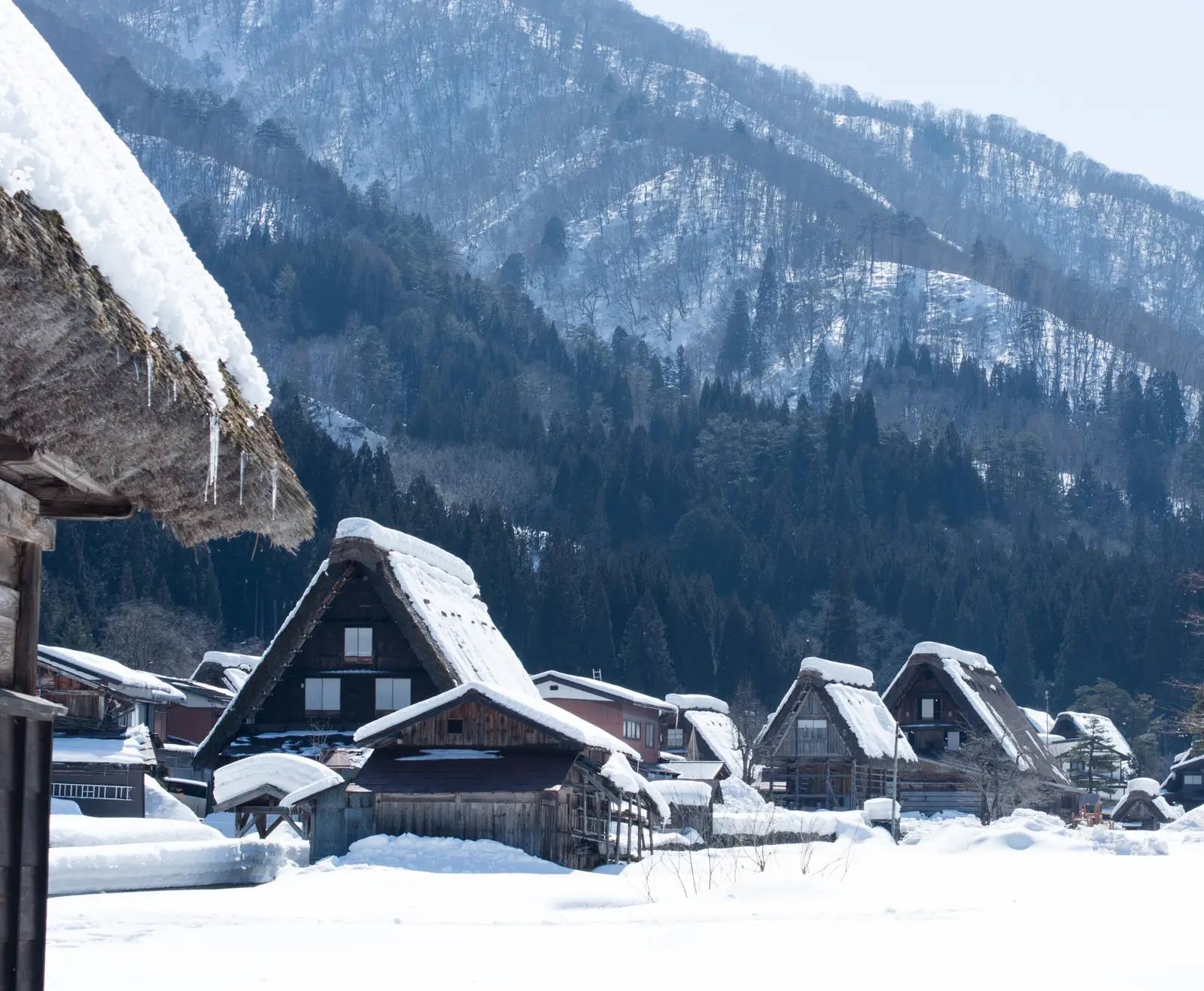
Why boots with a good tread? In Sapporo the problem is not the temperature but packed snow and ice on pavements and steps. In Kanazawa the snow falls wet, often alternating with rain – there, what counts above all is that the sole is waterproof. More about winter in the north is in our winter article.
Typical for: December to March in Sapporo · January and February in Sendai · January in Kanazawa
Pattern G
Rainy season
warm and humid
- Thin rain jacket
- Folding umbrella
- Quick-drying top
- Light trousers
- Shoes for rainy days
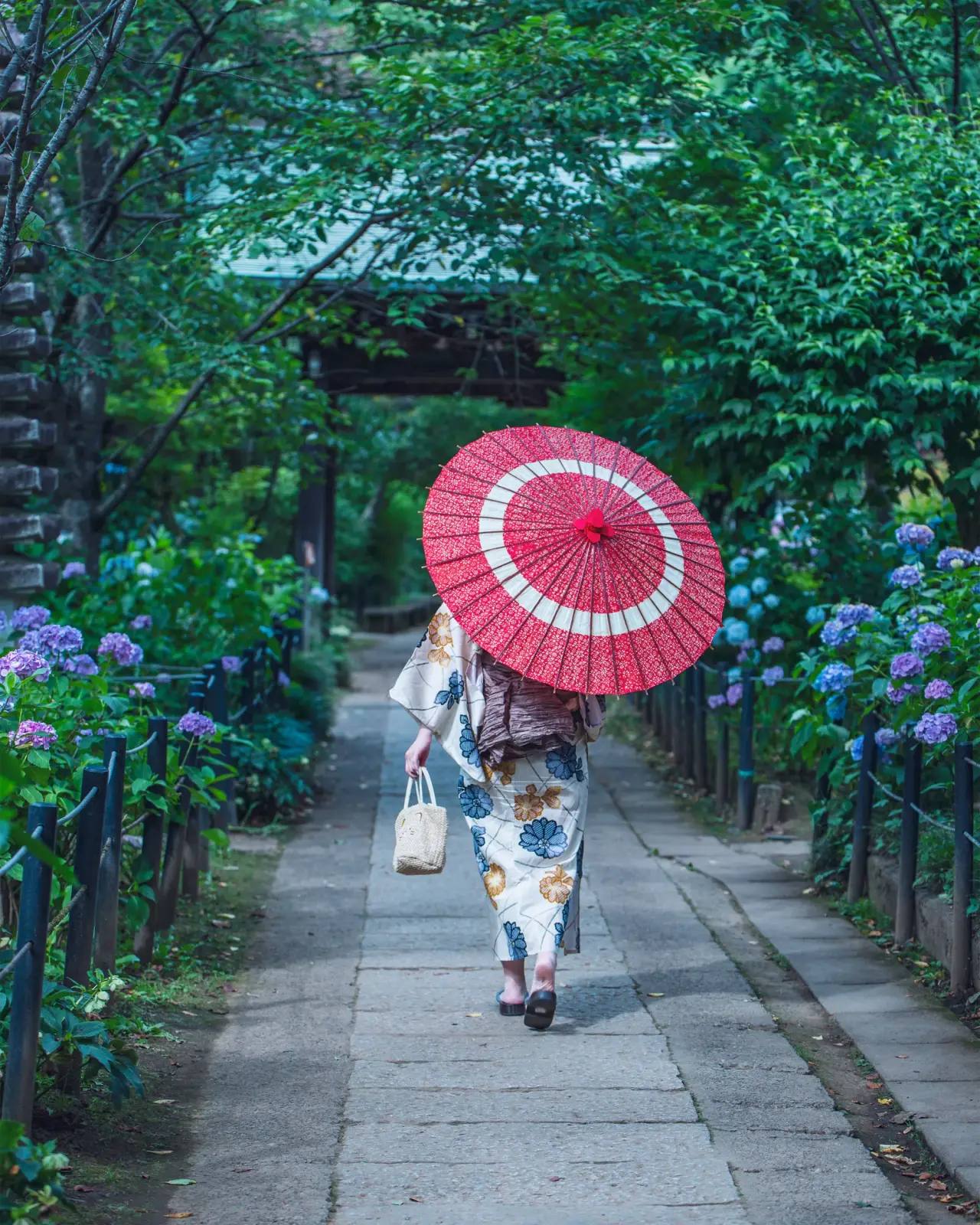
Why a thin rain jacket? In the rainy season it is warm and very humid; in a thick jacket you quickly start to sweat. Light fabrics that dry quickly are better, along with a second pair of shoes at the hotel. The folding umbrella belongs in your daypack – not because it rains all the time, but because showers often come without warning.
Typical for: June to mid or late July from Kyushu to Tohoku · about 10 May to 21 June in Okinawa · Hokkaido has no rainy season
A journey through several climate zones – with light luggage
We plan your route so that your luggage stays light – and tell you before you leave what you really need for the regions along your way.
Request a no-obligation consultationJanuary: the coldest month – dry and clear on the Pacific coast
In January the Pacific side is dry and often sunny: in Tokyo at least one millimetre of precipitation falls on only five days on average. On the other side of the mountains, in Kanazawa, it is 23. If you travel on both sides, you experience two winters in a single travel day – blue skies in Tokyo, wet snow and rain on the Sea of Japan.
| City | Day | Night | Wet days | Pattern |
|---|---|---|---|---|
| Sapporo | 0° | −6° | 18 | F |
| Sendai | 6° | −1° | 6 | F |
| Tokyo | 10° | 1° | 5 | E |
| Kanazawa | 7° | 1° | 23 | F |
| Kyoto | 9° | 2° | 6 | E |
| Hiroshima | 10° | 2° | 6 | E |
| Naha (Okinawa) | 20° | 15° | 10 | C |
Kyoto feels colder than the figures suggest. The city lies in a basin where the cold air collects – in Kyoto people speak of sokobie, a cold that goes right to the bone. In temple halls you stand in your socks on unheated wood. Warm socks and a thermal base layer weigh less than a second jumper.
In Sapporo the daytime high is just below zero. Here a hat, gloves and boots with a good tread belong in your suitcase. Naha, by contrast, has around 20 degrees by day in January – a long-sleeved top and a light jacket are enough.
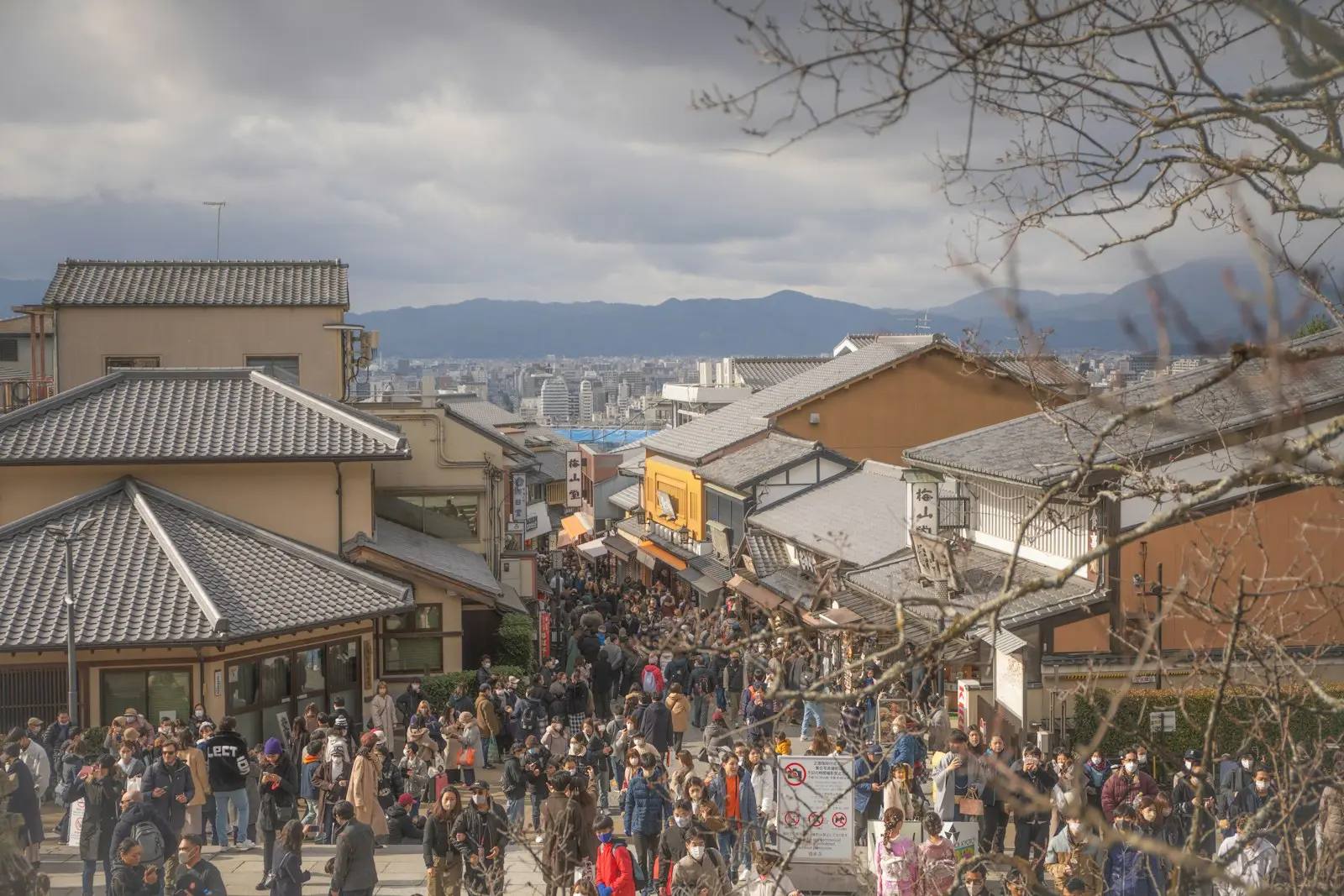
February: snow in the north, first blossoms in the south
February is much like January; in Tokyo, Kyoto and Hiroshima it only gets about one degree warmer by day. Pack as you would for January. In early February Sapporo holds its Snow Festival – for that you need the full winter kit from Pattern F, because you stand outside for a long time in the evening.
| City | Day | Night | Wet days | Pattern |
|---|---|---|---|---|
| Sapporo | 0° | −6° | 16 | F |
| Sendai | 7° | −1° | 5 | F |
| Tokyo | 11° | 2° | 5 | E |
| Kanazawa | 8° | 1° | 19 | E |
| Kyoto | 10° | 2° | 7 | E |
| Hiroshima | 11° | 2° | 7 | E |
| Naha (Okinawa) | 20° | 15° | 10 | C |
In the south, spring starts earlier. In Okinawa the cherry blossom is in full swing or already over in February, and the plum trees often bloom from late January in Tokyo and from late February in Kyoto. If you combine winter in the north with a few days in the south, you need two sets of clothes: a down jacket for Hokkaido, a light jacket for Okinawa.
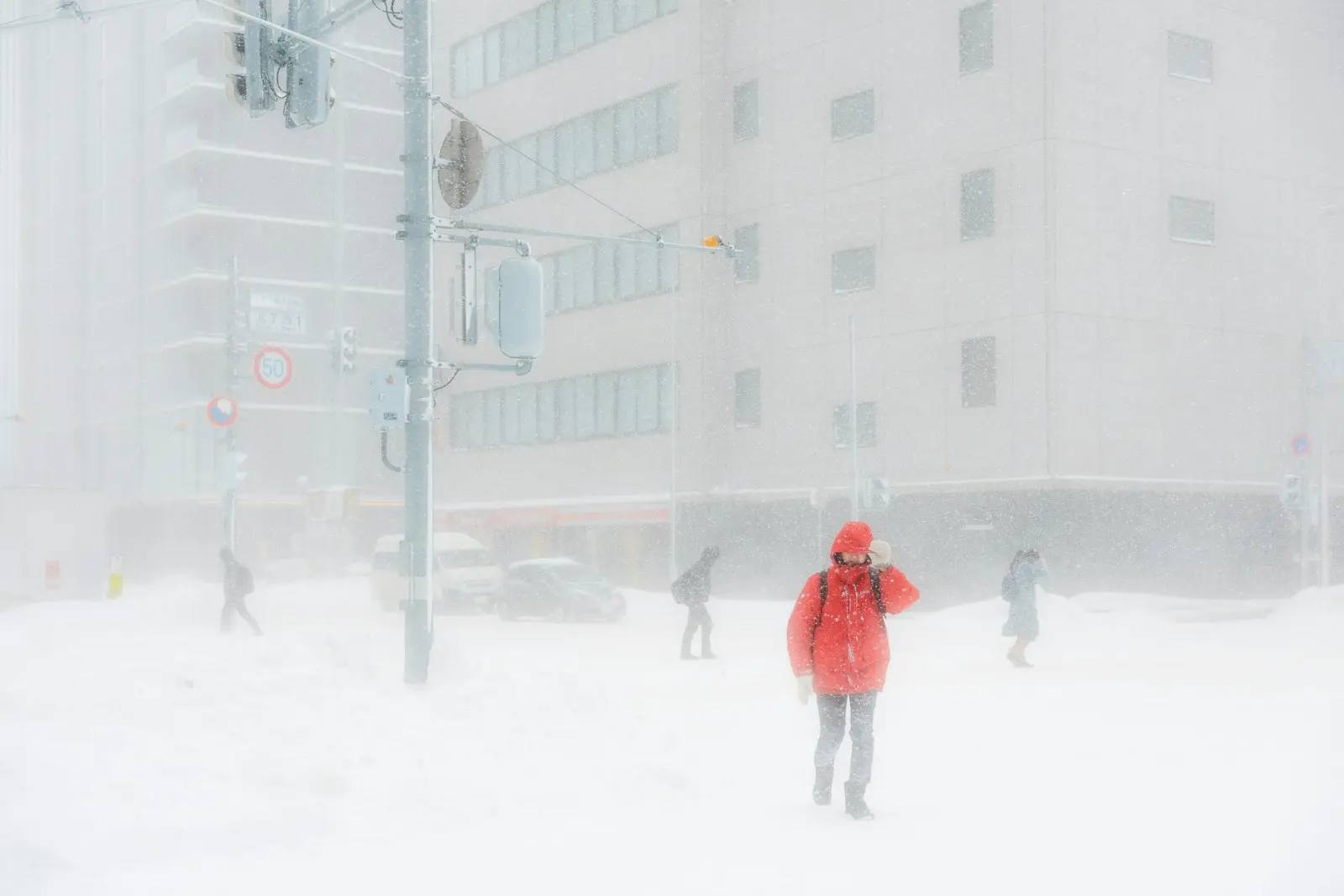
March: winter in the north, spring in the south
In March Sapporo is at 5 degrees by day and often still under snow, Naha at 22 degrees. In between, spring begins on the main islands – but only by day. In Tokyo and Kyoto the temperature drops to 4 to 5 degrees at night on average.
| City | Day | Night | Wet days | Pattern |
|---|---|---|---|---|
| Sapporo | 5° | −2° | 14 | F |
| Sendai | 10° | 1° | 7 | E |
| Tokyo | 14° | 5° | 9 | D |
| Kanazawa | 12° | 3° | 16 | E |
| Kyoto | 14° | 4° | 10 | D |
| Hiroshima | 15° | 5° | 9 | D |
| Naha (Okinawa) | 22° | 17° | 11 | C |
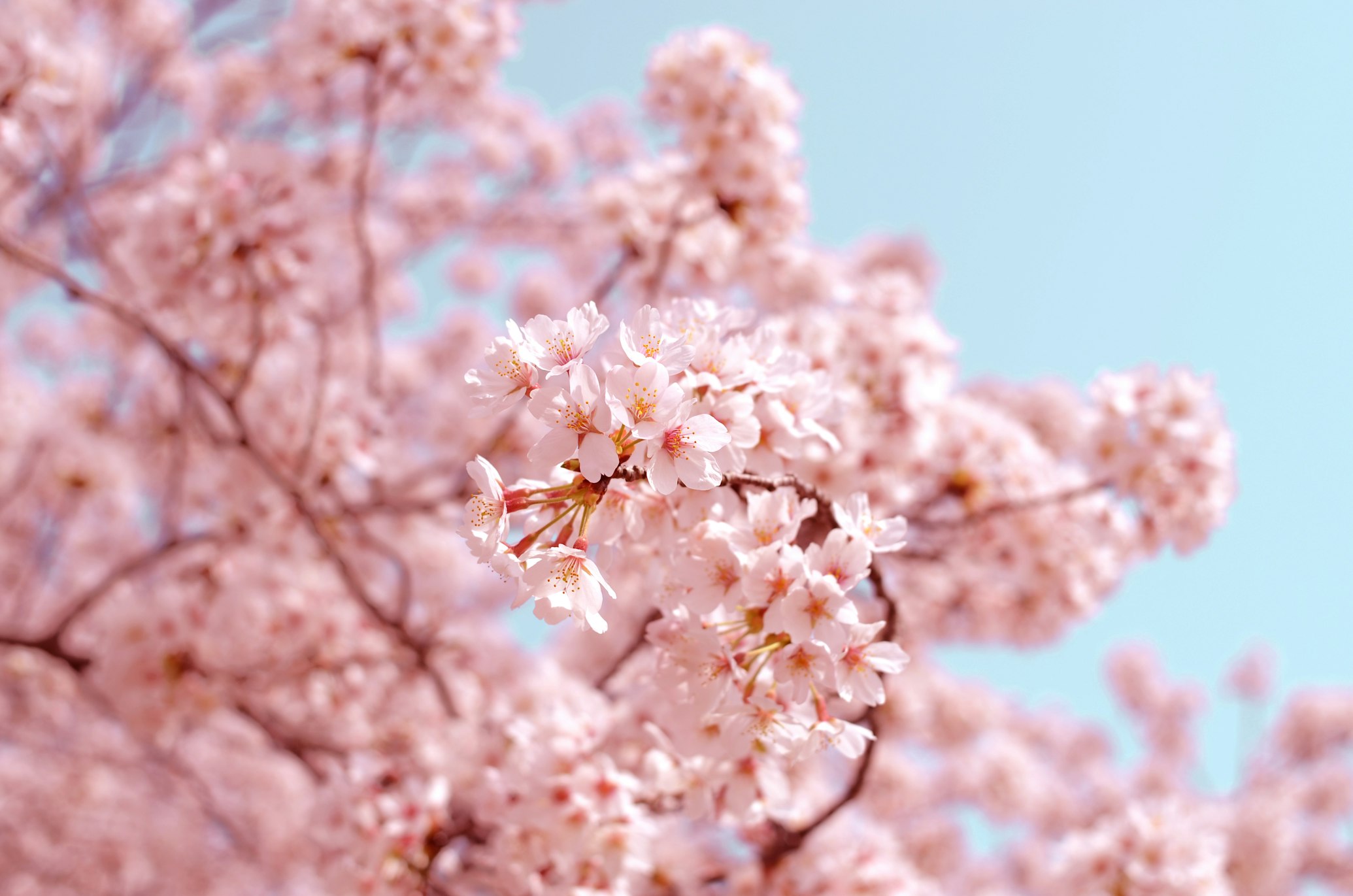
That is the figure to keep in mind for the cherry blossom. In Tokyo the cherries start to bloom around 24 March on average and are in full bloom around 31 March. If you sit under the trees in the evening or walk along an illuminated avenue, you will quickly feel cold in a spring jacket. A warm jacket and a scarf make the evening pleasant. When the blossom begins in which region is in our cherry blossom article.
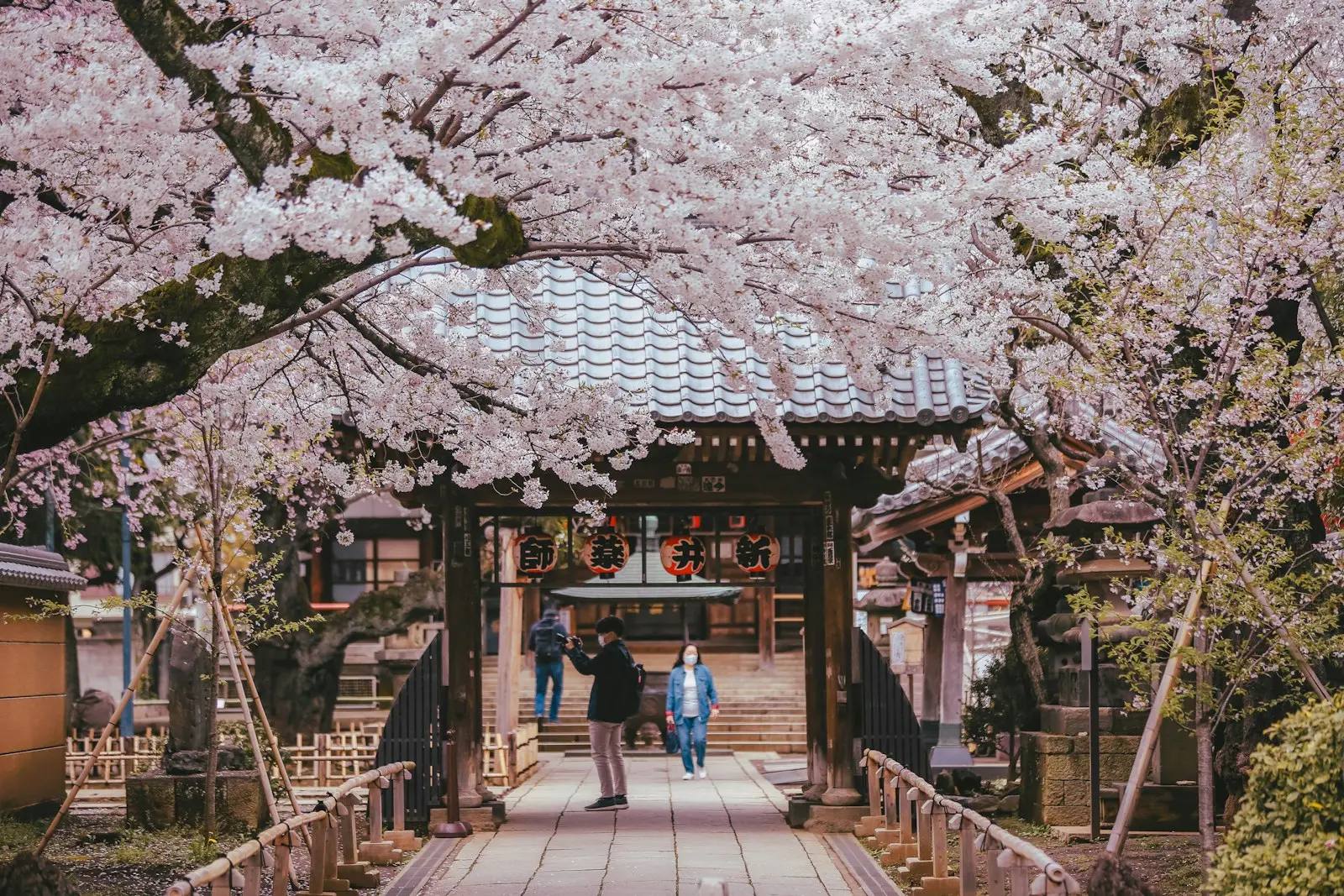
April: spring by day, still cool in the evening
In April Tokyo and Kyoto reach 19 to 20 degrees by day on average, and 9 to 10 at night. So there are around 10 degrees between midday and early morning. A long-sleeved top and a light jacket are enough for the day; for the evening you may want a jumper as well.
| City | Day | Night | Wet days | Pattern |
|---|---|---|---|---|
| Sapporo | 12° | 3° | 10 | E |
| Sendai | 16° | 6° | 8 | D |
| Tokyo | 19° | 10° | 10 | C |
| Kanazawa | 17° | 8° | 12 | D |
| Kyoto | 20° | 9° | 9 | C |
| Hiroshima | 20° | 10° | 9 | C |
| Naha (Okinawa) | 24° | 19° | 10 | C |
Further north, spring has not yet arrived: Sendai has 16 degrees by day, Sapporo 12. In Sapporo the cherries only bloom in early May on average. If you travel from Kyoto to Hokkaido in April, you travel back a season.
May: the most pleasant weeks – with strong sun
Together with October and November, May is one of the most pleasant months. Tokyo has 24 degrees by day, Kyoto 25, and around 15 at night. A T-shirt or long-sleeved top plus a light jacket for the evening – that is all you need. Do not underestimate the sun: a hat or sun protection belongs in your luggage from May.
| City | Day | Night | Wet days | Pattern |
|---|---|---|---|---|
| Sapporo | 18° | 9° | 9 | D |
| Sendai | 20° | 12° | 9 | C |
| Tokyo | 24° | 15° | 10 | C |
| Kanazawa | 22° | 14° | 10 | C |
| Kyoto | 25° | 15° | 10 | B |
| Hiroshima | 24° | 15° | 9 | C |
| Naha (Okinawa) | 27° | 22° | 11 | B ☂ |
In Okinawa the rainy season begins around 10 May on average. Naha has 27 degrees in May and almost as much precipitation as in June. On the main islands the rainy season only begins between late May and mid-June – in Tokyo, Kyoto and Hiroshima, May is changeable but not yet rainy season.
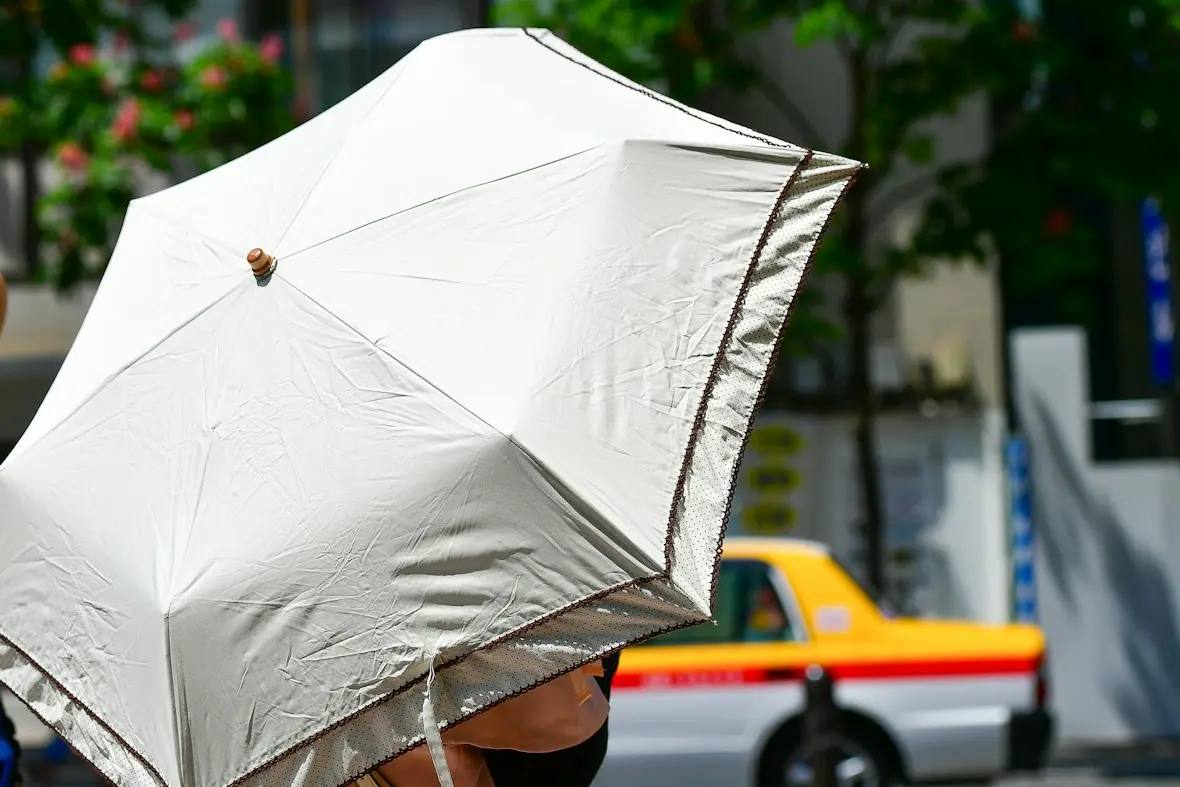
June: rainy season – but not rain every day
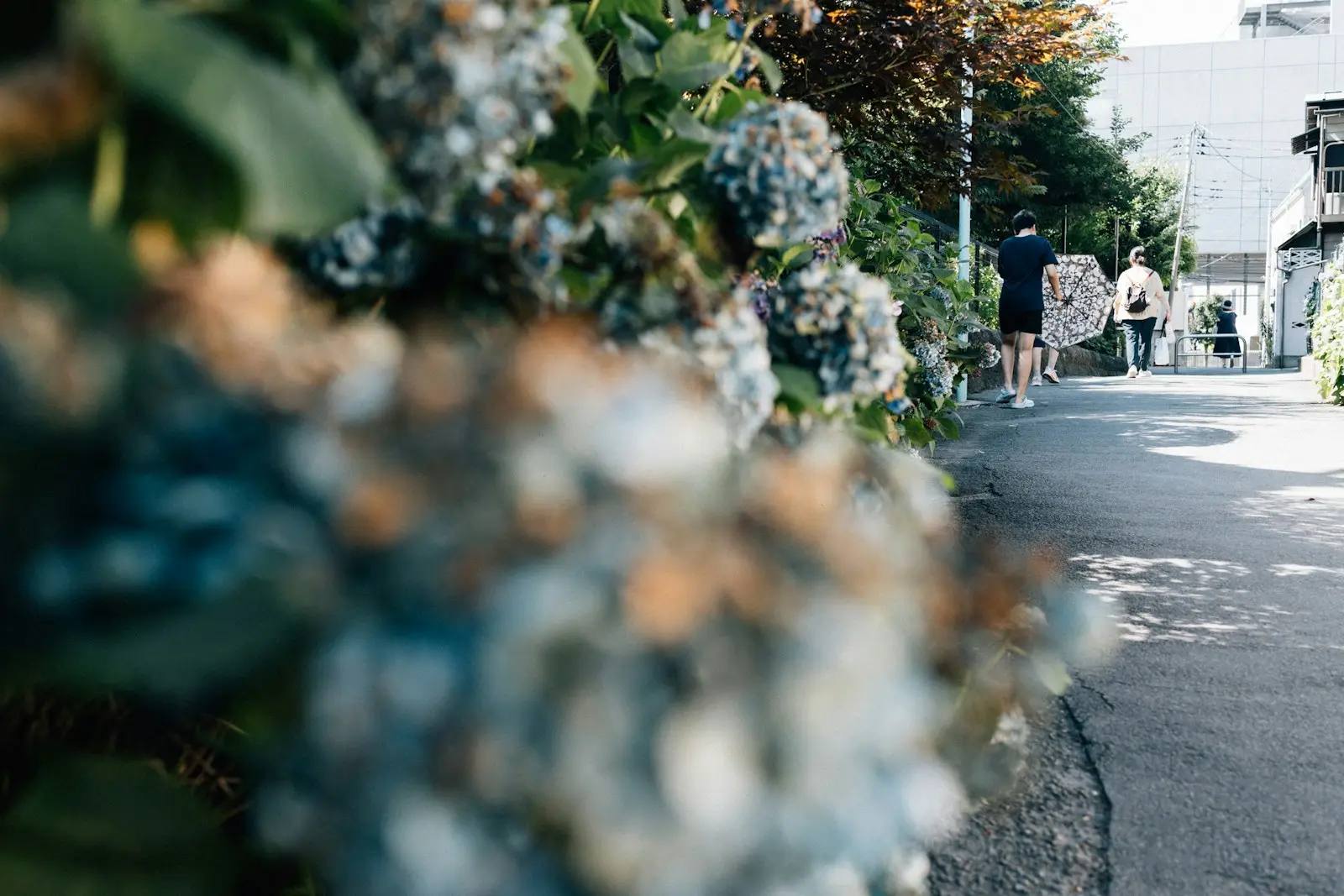
On the main islands the rainy season begins on average between late May in the south of Kyushu and mid-June in the north of Tohoku; in Tokyo, Kyoto and Hiroshima in early June. That sounds like a wet month, but in Tokyo precipitation falls on 12 out of 30 days in June on average. Many days are overcast and humid, but dry enough for a walk. It is warm: 26 degrees in Tokyo, 28 in Kyoto.
| City | Day | Night | Wet days | Pattern |
|---|---|---|---|---|
| Sapporo | 22° | 13° | 8 | C |
| Sendai | 23° | 16° | 10 | C ☂ |
| Tokyo | 26° | 19° | 12 | B ☂ |
| Kanazawa | 26° | 18° | 11 | B ☂ |
| Kyoto | 28° | 19° | 12 | B ☂ |
| Hiroshima | 27° | 20° | 11 | B ☂ |
| Naha (Okinawa) | 30° | 25° | 11 | A ☂ |
Hokkaido has no rainy season. With 60 millimetres, Sapporo is the driest of the seven cities in our table in June – one reason why the north is so popular in early summer. In Okinawa the rainy season ends around 21 June on average; after that, high summer begins there. How to plan a journey in the rainy season and what applies when typhoons come is in our article on the rainy season and typhoons.
July: the end of the rainy season, the start of the heat
The rainy season ends around 19 July on average in Kanto, Kansai and the west – somewhat earlier in southern Kyushu and Shikoku, a few days later on the Sea of Japan and in Tohoku. The last weeks often bring the heaviest downpours: in Hiroshima, July is the wettest month of the year with 280 millimetres.
| City | Day | Night | Wet days | Pattern |
|---|---|---|---|---|
| Sapporo | 25° | 18° | 8 | B |
| Sendai | 27° | 20° | 13 | B ☂ |
| Tokyo | 30° | 22° | 11 | A ☂ |
| Kanazawa | 30° | 23° | 13 | A ☂ |
| Kyoto | 32° | 24° | 12 | A ☂ |
| Hiroshima | 31° | 24° | 11 | A ☂ |
| Naha (Okinawa) | 32° | 27° | 9 | A |
After that it gets hot. In Tokyo the average daytime high reaches 30 degrees, in Kyoto 32. Plan sightseeing for the morning and late afternoon, and take the thin cardigan with you for trains and museums. Sapporo has a pleasant 25 degrees in July.
August: the hottest month
August is the hottest month almost everywhere. Kyoto reaches 34 degrees by day on average, Tokyo 31. The nights hardly cool down either: in Kyoto the low is 25 degrees, in Osaka even slightly higher. Airy clothing made of linen or cotton, a hat, a small hand towel and a water bottle are the basic kit at this time.
| City | Day | Night | Wet days | Pattern |
|---|---|---|---|---|
| Sapporo | 26° | 19° | 10 | B |
| Sendai | 28° | 22° | 11 | B |
| Tokyo | 31° | 24° | 8 | A |
| Kanazawa | 31° | 24° | 9 | A |
| Kyoto | 34° | 25° | 8 | A |
| Hiroshima | 33° | 25° | 8 | A |
| Naha (Okinawa) | 32° | 27° | 12 | A |
The difference between south and north is surprisingly small: at 32 degrees Naha is hardly hotter than Tokyo, and even Sapporo reaches 26 degrees. Around the middle of the month many Japanese travel to their home towns for the Obon festival; trains and accommodation are then booked up early. What summer offers despite the heat – fireworks and summer festivals – is shown in our summer article.
September: still summer, plus typhoons
Many travellers underestimate September. In Tokyo the average daytime high is still 28 degrees, in Kyoto 29 – pack as you would for summer. On top of that comes the main typhoon season: typhoons hit Japan most often in August and September and bring storms and heavy rain on individual days.
| City | Day | Night | Wet days | Pattern |
|---|---|---|---|---|
| Sapporo | 23° | 15° | 10 | C |
| Sendai | 25° | 18° | 11 | B |
| Tokyo | 28° | 20° | 11 | B |
| Kanazawa | 27° | 20° | 12 | B |
| Kyoto | 29° | 21° | 10 | B |
| Hiroshima | 29° | 21° | 9 | B |
| Naha (Okinawa) | 31° | 26° | 12 | A |
In the north, on the other hand, autumn is already beginning. Sapporo has 23 degrees by day in September and 15 at night – a light jacket already belongs in your luggage there.
October: pleasant – and the wettest month in Tokyo
In October the pleasant weather returns: Tokyo has 22 degrees by day, Kyoto 23, and around 14 to 15 at night. A long-sleeved top and a light jacket are enough. One figure is surprising, though: on average, October is the wettest month of the year in Tokyo, not June. Autumn rain and late typhoons come together – so do not leave the folding umbrella at home.
| City | Day | Night | Wet days | Pattern |
|---|---|---|---|---|
| Sapporo | 16° | 8° | 12 | D |
| Sendai | 20° | 12° | 8 | C |
| Tokyo | 22° | 15° | 11 | C |
| Kanazawa | 22° | 14° | 13 | C |
| Kyoto | 23° | 14° | 8 | C |
| Hiroshima | 24° | 15° | 6 | C |
| Naha (Okinawa) | 28° | 24° | 9 | B |
In Hokkaido and Tohoku the leaves change colour in October. Sapporo has only 16 degrees by day and 8 at night – there you already need the clothes for the in-between season.
November: autumn leaves in the south, first snow in the north
In November north and south drift far apart again. In Sapporo the daytime high drops to 9 degrees, and the first snow has usually already fallen – on average around 28 October. Naha, by contrast, has 25 degrees.
| City | Day | Night | Wet days | Pattern |
|---|---|---|---|---|
| Sapporo | 9° | 2° | 15 | E |
| Sendai | 14° | 6° | 6 | D |
| Tokyo | 17° | 9° | 7 | D |
| Kanazawa | 16° | 8° | 17 | D |
| Kyoto | 17° | 8° | 6 | D |
| Hiroshima | 18° | 9° | 6 | D |
| Naha (Okinawa) | 25° | 20° | 8 | B |
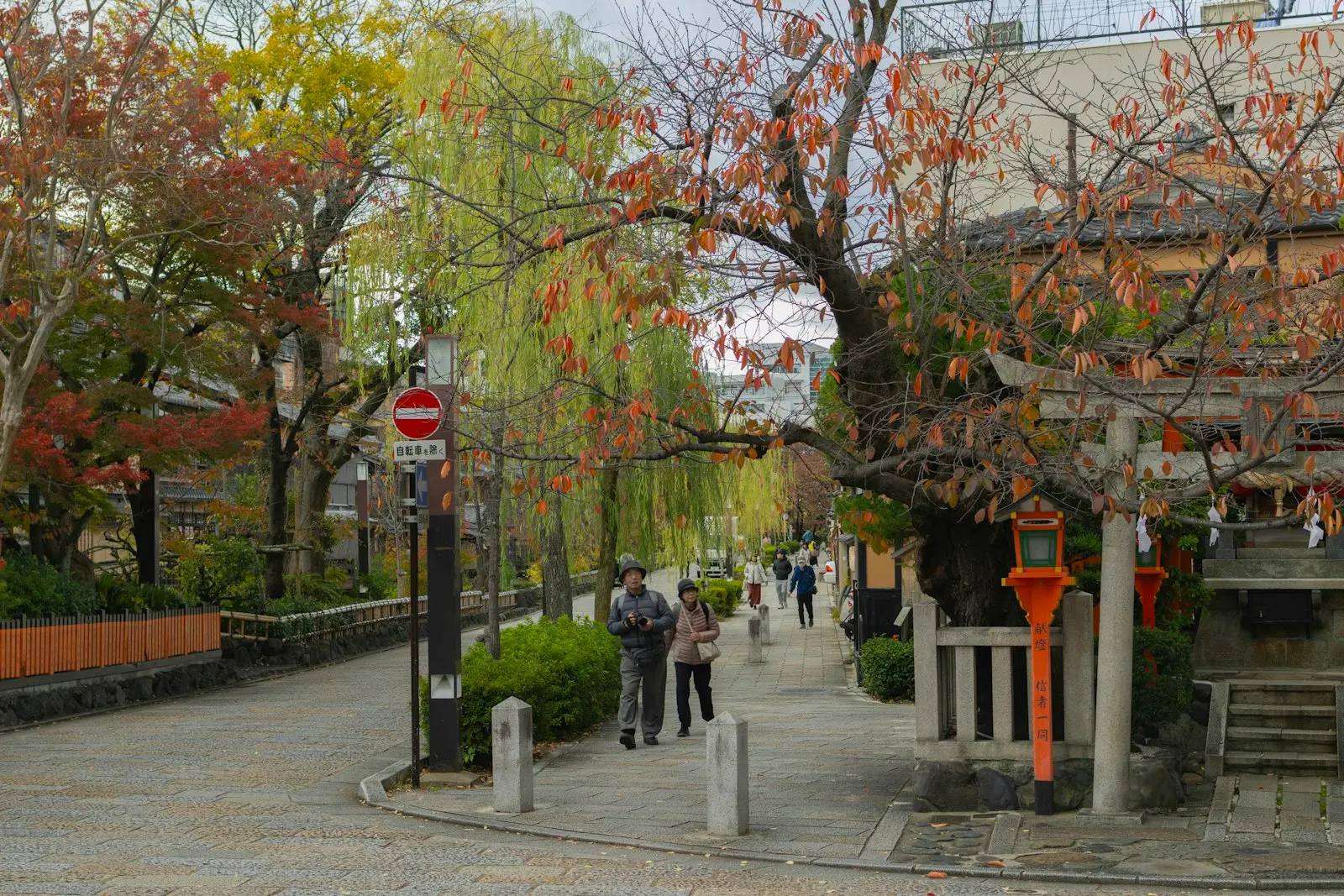
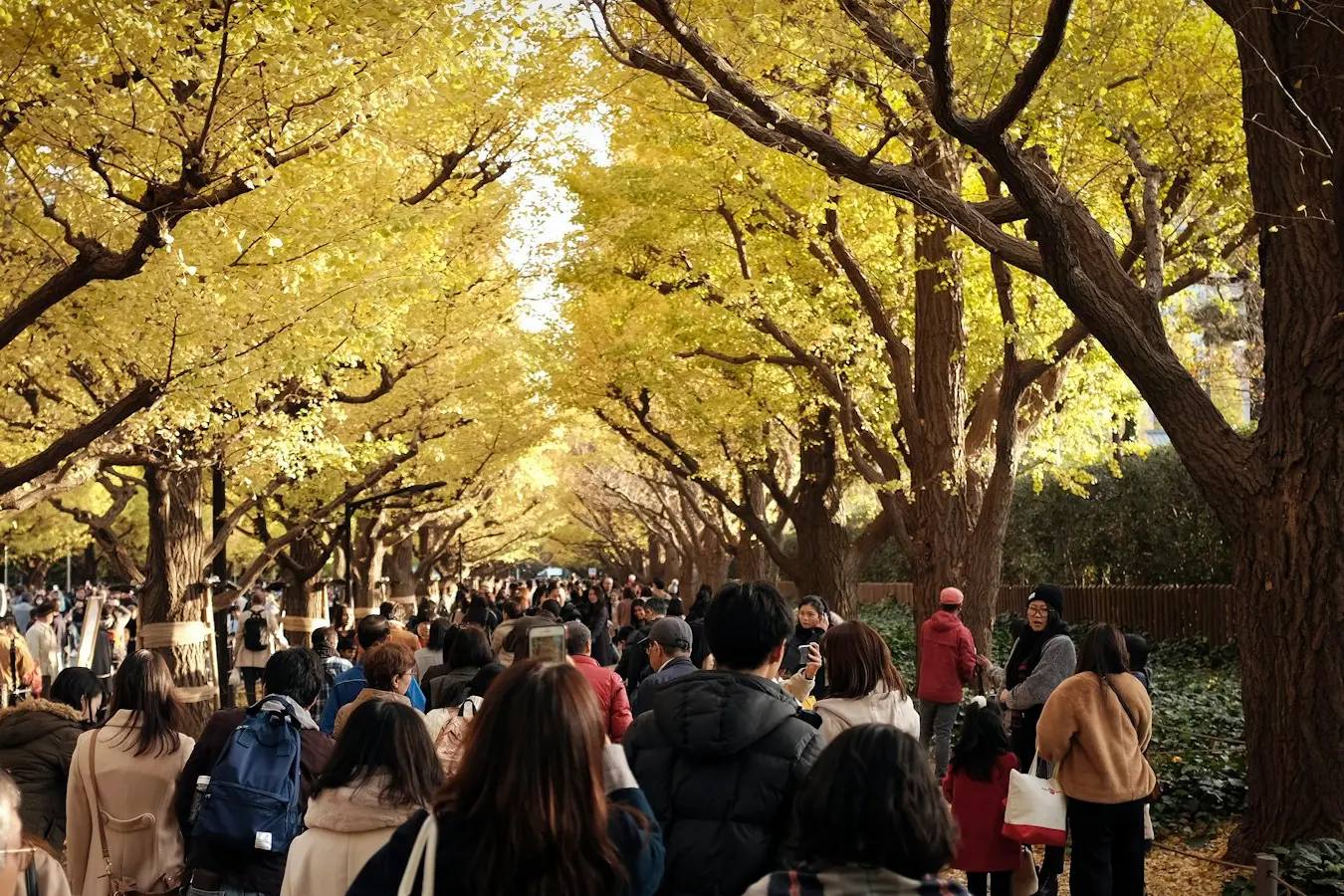
For Tokyo and Kyoto, November is the time of the autumn leaves – and a time of great contrasts between midday and morning. In Kyoto it is 17 degrees by day, 8 at night. If you go to a temple early in the morning to get there before the groups, or visit the illuminated gardens in the evening, you will need a jumper, a transitional jacket and a scarf. When the leaves turn where is in our autumn leaves article.
December: dry and clear in the east, wet on the Sea of Japan
In December the dry, clear winter season begins on the Pacific side: Tokyo has 12 degrees by day, 4 at night, and precipitation falls on only five days. A coat, a scarf and a warm jumper are enough.
| City | Day | Night | Wet days | Pattern |
|---|---|---|---|---|
| Sapporo | 2° | −4° | 16 | F |
| Sendai | 8° | 1° | 6 | E |
| Tokyo | 12° | 4° | 5 | E |
| Kanazawa | 10° | 4° | 23 | E |
| Kyoto | 12° | 4° | 7 | E |
| Hiroshima | 12° | 4° | 6 | E |
| Naha (Okinawa) | 22° | 17° | 9 | C |
On the Sea of Japan it is the other way round. In Kanazawa, December is the wettest month of the year with around 300 millimetres – as rain, sleet or wet snow on 23 days. There a watertight sole matters more than a thicker coat. Sapporo is at 2 degrees by day; there the winter kit from Pattern F already applies.
Three things no climate chart shows
Shoes you can slip off quickly. In many temple halls, in a ryokan, in restaurants with tatami floors and sometimes even in a shop's changing room you walk in your socks. On a day with three temples you can easily take your shoes off and put them back on ten times. Shoes without laces save time, and presentable socks spare you embarrassment. In winter the wooden floors are cold – then thick socks are your most important winter clothing.
Indoors is a season of its own. In summer trains, department stores and museums are strongly cooled, in winter strongly heated. If you step from 34 degrees outside into an air-conditioned shinkansen, you will be glad of the cardigan; if you walk through a heated department store in your coat in January, you will be glad of a coat that opens. Layers help in both directions.
Wash rather than carry. Many hotels have coin-operated washing machines, and in the cities there are launderettes. For two or three weeks, clothes for about one week are enough. You can also have your luggage sent on between hotels, so that you sit in the train with a light daypack. How that fits into a route is shown in our suggestions for two weeks and three weeks.
Plan your journey around the climate
The question “What do I wear?” is closely linked to the question “When do I travel where?”. If you want to combine Kyoto and Hokkaido in November, you need clothes for two seasons; if you travel in June, you can escape the rain by heading north. Which season suits you is compared in our article on the best time to visit.
If you plan with us, we tell you before you leave what to pack for exactly the places on your route – and what you are better off buying on the spot. Shortly before your journey we are happy to take another look at the current forecast, because an average is not a weather forecast.
Sources: Japan Meteorological Agency (JMA) – climate normals 1991–2020, Sapporo, JMA – Sendai, JMA – Tokyo, JMA – Kanazawa, JMA – Kyoto, JMA – Hiroshima, JMA – Naha, JMA – start and end of the rainy season (averages 1991–2020), JMA – typhoons: averages for formation, approach and landfall, JMA Tokyo – cherry blossom: average dates of first bloom and full bloom, JMA – Sapporo: average dates of first and last snow, JMA – summer temperatures in Japan since 1898
Frequently asked questions about weather and clothing in Japan
What clothes do I need in Japan in October and November?
In Tokyo and Kyoto the average daytime high is 22 to 23 degrees in October and 17 in November. At night it is around 8 to 9 degrees in November. Pack long-sleeved tops, a light jumper, a transitional jacket and a thin scarf. In Sapporo you already need a coat in November; in Okinawa a T-shirt is enough.
How hot is it in Japan in summer?
In August Kyoto reaches 34 degrees by day on average, Tokyo 31. In Kyoto and Osaka the nights hardly cool below 25 degrees. These figures are averages for the years 1991 to 2020; the most recent summers were above them. Light clothing, a hat, a small hand towel and a thin cardigan for air-conditioned trains are the basic kit.
When is the rainy season in Japan?
On the main islands the rainy season begins on average between late May (southern Kyushu) and mid-June (northern Tohoku) and ends between mid and late July; in Tokyo, Kyoto and Hiroshima it lasts from about early June to around 19 July. In Okinawa it lasts from about 10 May to 21 June. For Hokkaido the Meteorological Agency announces no rainy season. It does not rain every day during this time: in Tokyo precipitation falls on 12 days in June on average.
Do I need a down jacket in Tokyo in winter?
As a rule, no. In January Tokyo has 10 degrees by day and 1 degree at night on average, and it is mostly dry and sunny. A warm coat, a scarf and a thermal base layer are enough. You need a down jacket and boots with a good tread if you travel to Hokkaido or to the snowy regions on the Sea of Japan.
Do I need to wear particular clothes in temples?
Most temples and shrines have no strict dress code. More important than your clothes are your shoes: in many temple halls you take them off. Shoes without laces and socks without holes make that easier, and warm socks in winter, because the wooden floors are not heated.
Your journey to Japan – in the right season
Tell us when you would like to travel and what interests you. We put together a route that suits the season and the weather, and advise you in English – directly from Japan and without sales pressure.
Enquire about your journeyAbout the author

Kentaro Asakura
Founder of Japan Privat · A Japan specialist who guides you in English
Kentaro Asakura was born and raised in Japan. His student years took him first to the UK, where English became second nature to him, and later to Munich, where he met his wife – together they returned to Japan. With Japan Privat, he has been designing individual journeys for European travellers for more than ten years – in English, with the eyes of a local and a genuine feel for what guests from Europe are looking for.