Japan itinerary 2 weeks 2026: the Golden Route and how to plan it – tested by Japan specialists
Contents
- Enough time in 2 weeks?
- The classic Golden Route (14 days)
- Alternative routes for connoisseurs
- Day by day: the detailed sample plan
- Cherry blossom: the perfect 2-week route
- Transport and the Japan Rail Pass
- Costs for 2 weeks in Japan
- 2 or 3 weeks? A decision aid
- Practical tips before booking
- Frequently asked questions
- Our conclusion
“Are 2 weeks enough for Japan?” – that is one of the questions our guests ask us most often. And our answer is: for your first visit, yes, they certainly are. Two weeks are enough to feel the magic of Japan, to experience the great highlights – and to take home the certainty that you will come back. After more than ten years in Japan and countless individually planned journeys, we would like to show you what a Japan itinerary for 2 weeks looks like when it really works in 2026.
The key points in brief
- Are 2 weeks enough? For a first visit, yes – you experience the great highlights calmly, without rushing.
- Best route: the classic Golden Route – Tokyo, Hakone, Kyoto, Osaka and Hiroshima, all along the main Shinkansen line.
- Costs: from about €2,500 per person (economy), around €5,000 in the comfort range – excluding flights.
- Japan Rail Pass: since the price increase it no longer pays off automatically – on the Golden Route, individual tickets often work out better.
- Cherry blossom: usually from late March to mid-April – with one or two buffer days per stop you stay flexible for the blossom forecast.
Are you planning an individual journey through Japan? This article is part of our large overview. You will find the complete guide – with travel seasons, routes, costs and planning – here: Japan Independent Travel 2026 – the complete guide.
Current situation: the earthquake in Kumamoto of 28 July 2026
All information as of 14 October 2026.
Among our suggestions, this affects only the Kyūshū variant with Kagoshima and Yakushima – that is where the Shinkansen section runs that has carried through trains again since 18 September 2026. The Golden Route is not affected.
Detailed travel advice and sources
On 28 July 2026 at 16:27 local time, an earthquake of magnitude 7.1 struck the south of Kumamoto Prefecture on Kyūshū. In Uki and Hikawa it reached Shindo 7, the highest value on the Japanese intensity scale. The official tally gives, as of 5 October, 38 deaths – including two that may have been caused indirectly by the earthquake – and 43 people seriously injured. 1,288 people are still in emergency shelters, down from almost 10,000 at the peak. Mains water has been available everywhere again since 28 August – more on that below. The number of damaged homes, by contrast, keeps rising: the fire and disaster agency now counts around 70,000, some 25,000 more than on 9 September – not because new damage is occurring, but because the official survey is still working its way through one place after another. Depending on which body you quote, the totals differ widely; the figure we give here is the one from the fire and disaster agency. Our thoughts are with the people there.
For a journey through Japan as a whole, nothing changes. The affected area is the south of Kumamoto – around 900 kilometres from Tokyo and about 500 kilometres from Kyoto. Japan has issued no entry restrictions and no nationwide travel restrictions in connection with the earthquake; outside the south of Kumamoto, travel continues as normal. Official travel advice is something each country issues for its own citizens, so before you book, please look at what your own foreign ministry currently says about Japan – that is what applies to you, not this page.
What currently applies on Kyūshū (as of 14 October; the situation changes daily):
- Kurokawa Onsen itself recorded Shindo 4 and reports no significant damage. According to the village’s most recent statement, dated 29 July, ryokan and shops are working normally; a few individual houses are closed.
- Getting to Kurokawa remains possible – via Fukuoka. The long-distance bus from Fukuoka is operating to schedule as before, and so is the Kumamoto–Fukuoka connection. The trans-Kyūshū bus Kumamoto–Kurokawa–Yufuin–Beppu, which was still cancelled entirely on 29 July and ran only thinned out through August, has been operating in full again since 1 September; Kurokawa is therefore reachable from the direction of Kumamoto as normal once more. Also back since 1 September is the bus line from Kumamoto up to the Aso plateau. The crater itself, however, stays closed: the weather agency lowered the alert level from 3 to 2 on 1 September and the local authorities pulled the cordon back to about one kilometre on 2 September – the plateau is reachable again, the view into the crater is not.
- The interrupted Shinkansen stretch south of Kumamoto has carried through trains again since the first service on 18 September. Two restrictions remain: over about ten kilometres of that stretch the trains still travel at roughly 70 km/h instead of 260, which shifts the times at Kagoshima by a few minutes – southbound you arrive later, northbound the trains depart earlier. And five Sakura and Mizuho services stay cancelled between Kumamoto and Kagoshima.
- The expressway is open along its whole length, and since 13 October no railway line has been interrupted either. The Kyūshū Expressway has carried ordinary traffic along its whole length again since 14 August – the last closed part of it reopened at 6 a.m. One restriction remains: at a damaged bridge south of Kumamoto, the deck of the Fukuoka-bound carriageway is so badly deformed that for about one and a half kilometres both directions share the opposite carriageway. How long that lasts has been quantified since 28 August: the four lanes are not expected back until around the end of 2027. On the South Kyūshū Expressway a further stretch reopened on 18 August; only one short stretch there stays closed: a bridge deck has shifted and left a step of about one and a half metres in the road surface, and according to the operator’s statement of 29 September that stretch is not expected to reopen until around the end of 2028. Anyone who has to get around that gap is routed along ordinary roads, and the toll is adjusted so that leaving the expressway and rejoining it costs no more. For your planning this means Kyūshū can be driven from north to south. The regional trains are running throughout again as well: the line south of Kumamoto has been back in service along its whole length on the normal timetable since 10 October, and a second, separate railway along the west coast has been running along its whole length again since 13 October. This means no railway line remains interrupted by the earthquake.
- On mains water, it is done. On 28 August, one month after the earthquake, supply was restored across the whole disaster area; at the peak around 80,000 connections were without water at the same time. The municipalities had named “by the end of August” as their target and they held it. This is where Japanese recovery can best be judged: a date is rarely given early – but once it is given, it holds. Two qualifications belong to an honest answer: in four districts of Uki the water is still at reduced pressure, and in another town in the south of the prefecture, where only a little over half of households are on the public network, several thousand private wells are damaged and will take years to repair. Neither matters for your journey – for the people there it is the difference between “restored” and “normal”.
How we handle this: For journeys in the coming weeks we look at every Kyūshū section individually. Kurokawa, Yufuin and Beppu have been reachable from the direction of Kumamoto as normal again since 1 September. Kagoshima and Yakushima have been reachable by through Shinkansen again since 18 September; we now factor in a flight only where it fits the schedule better. For Yakushima a second question arises this autumn that has nothing to do with the earthquake: after the heavy rain at the beginning of September the roads up into the mountains were closed. For the road into the best-known valley there is still no date; full repair is expected to take about a year. The other roads up into the mountains, by contrast, have been open again since 16 September, and the compulsory shuttle to the oldest cedar has been running again since 17 September. The island is reachable, but not all of its famous cedar forests are. Because the expressway is open along its whole length, a rental car is an option for the south as well – we will tell you which of the two makes for the calmer few days.
And if something like this falls in the middle of a journey you have already booked? That is exactly the moment we exist for:
- We read the situation where it appears first. Transport operators, the weather agency and the prefecture publish in Japanese – often hours before any of it shows up in English, and some of it never does. We check every day, not only once you ask.
- We talk to your ryokan – in Japanese and directly. Whether a house waives the cancellation fee after a natural event, or moves your booking free of charge, differs from house to house and is rarely written into the booking conditions. We ask on your behalf and tell you honestly what comes of it.
- We rebuild the route instead of deleting days. If one section drops out, we propose an equivalent one – the same idea, a different region – and take care of the new overnight stays and connections while the rooms are still free. That is why we get in touch early and not on the day of travel.
- While you are travelling, we are in the same time zone as you. If a train is cancelled in the evening, the answer does not have to wait for the next morning in Europe.
If you are planning a journey with us, or have already planned one, please talk to us: we will tell you openly what is realistic for your travel dates – including when the honest answer is to move them. Please do not rely on this page alone for your travel arrangements; shortly before you set off, check the official sources.
Sources: Japan Meteorological Agency (JMA), portal on the earthquake, Cabinet Office / fire and disaster agency, situation report of 5 October, Kurokawa Onsen, statement of 29 July, JR Kyūshū, resumption of through Shinkansen service on 18 September and amended timetable (announced 31 August), regional line south of Kumamoto on the normal timetable from 10 October (announced 24 September), Hisatsu Orange Railway, resumption along its whole length on 13 October (6 October), Kyūshū Sankō Bus, timetable situation (1 September), NEXCO West, 17th situation report (13 August): reopening of the Kyūshū Expressway (PDF), Reopening on the South Kyūshū Expressway on 18 August (Car Watch, 17 August), NEXCO West, restoration of the four lanes towards the end of 2027 (28 August, PDF), NEXCO West, reopening of the closed bridge on the South Kyūshū Expressway towards the end of 2028 (29 September) All information as of 14 October 2026.
2 weeks in Japan – enough time or too little?
Japan is a country where you can spend years without ever reaching its end. But you do not have to stay for years to have a profound experience. In 14 days you can take in the three cultural centres – Tokyo, Kyoto and Osaka – at a calm pace, plus two or three days in regions that make your journey unforgettable: Hakone with its view of Mount Fuji, Hiroshima with Miyajima, or the hidden mountain villages of the Japanese Alps.
What you experience in 2 weeks – and what you do not
| ✓ Comfortably possible in 14 days | ✗ Tight on time or simply too much |
|---|---|
| Tokyo with all its highlights (4 days) | Tokyo + Hokkaido + Okinawa |
| Kyoto & the Nara cultural region (4 days) | All 47 prefectures |
| A day trip to Hakone or Nikko | Deep hiking in the Alps (>3 days) |
| Hiroshima + Miyajima | Extended time on several islands |
| 1–2 nights in a ryokan with an onsen | A ski stay + the classic Golden Route |
Our advice: quality before quantity. It is better to experience one region deeply than three superficially. The travellers who return happiest are not the ones with the most stops, but the ones with moments of calm. A slow breakfast in a ryokan, an unhurried afternoon in a temple garden, an evening in an izakaya among its regulars.
In comparison: 10 days, 2 weeks, 3 weeks
| Length | What is possible | Who it suits |
|---|---|---|
| 10 days | Tokyo + Kyoto + 1 highlight | People in work with little holiday |
| 14 days | Golden Route + Hakone + Hiroshima | The optimum for first-time visitors |
| 21 days | Golden Route + Kyushu or Hokkaido | Travellers whose aim is depth |
Would you like to plan your individual 2-week route
Every journey is different. We adapt the route to your interests, your pace and your budget – with accommodation that we know personally and can recommend.
Start your consultationThe classic Golden Route (14 days)
The so-called “Golden Route” connects the three core cities of Tokyo, Kyoto and Osaka; it is usually extended to include the mythical Mount Fuji (Hakone) and culturally rich Hiroshima. Its popularity is no accident – here you experience, in perfect balance, the contrasts that define Japan: the modern metropolis, the classical imperial city, the stillness of temples and a lively food culture.
Overview: 14 days, 6 regions
| Days | Place | What awaits you |
|---|---|---|
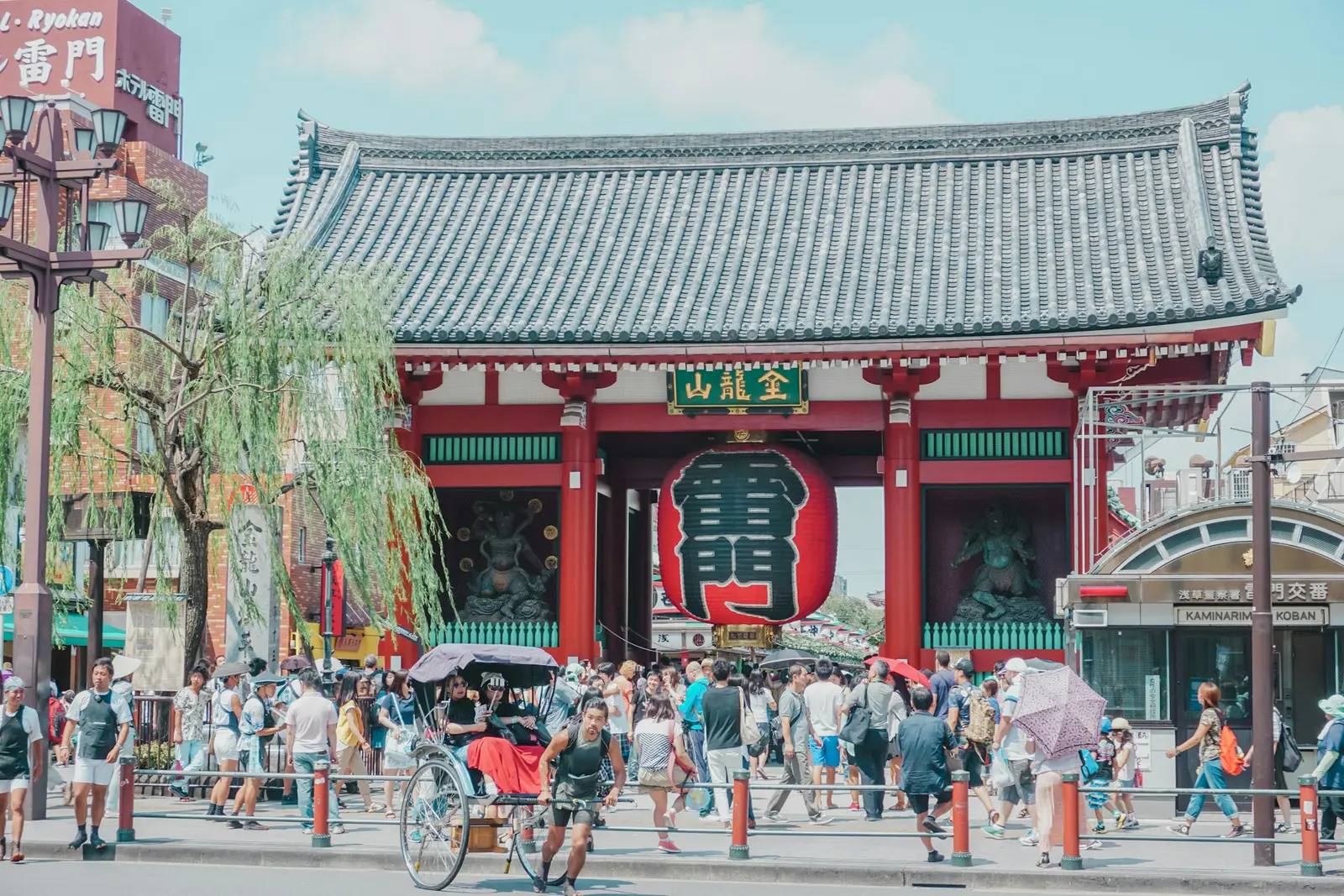
| Day 1–4 | Tokyo | A modern megacity, the temples of Asakusa, Shibuya Crossing, the Toyosu fish market |
| Day 5 | Hakone | A view of Mount Fuji, onsen, the open-air museum |
| Day 6–9 | Kyoto | Temples, the Arashiyama bamboo grove, the Gion geisha quarter – day 8 as a day trip to Nara (the Great Buddha, free-roaming deer) |
| Day 10 | Transfer to Hiroshima | The Philosopher’s Path in Kyoto in the morning, the Shinkansen in the afternoon, a harbour izakaya in the evening |
| Day 11–12 | Hiroshima + Miyajima | The Peace Park, the “floating” torii, fresh seafood |
| Day 13–14 | Osaka | Street food in Dotonbori, Osaka Castle, departure from Kansai |
Why this route works
- Chronologically coherent: Tokyo (modernity) → Kyoto (tradition) → Hiroshima (reflection) → Osaka (zest for life) tells the story of Japan in a natural sequence.
- Geographically efficient: all the stages lie on the Tokaido/Sanyo main Shinkansen line. No unnecessary detours, no domestic flights needed.
- The airports fit: arrival in Tokyo (Narita/Haneda), departure from Osaka (Kansai) – no expensive way back.
- Easy to shorten or extend: Hakone can be extended to 2 nights, Hiroshima shortened to one day – depending on your interests.
Alternative routes for connoisseurs & returning visitors
If you have already been to Japan, or if you deliberately want to travel away from the well-trodden paths, there are three alternatives that we recommend from our own experience. How quiet these regions actually still are – and which supposed hidden gems no longer are – you can read in detail in our article on Japan’s hidden gems away from the tourist trails:
Route A: the north (Tohoku + Hokkaido)
Tokyo (3 nights) → Sendai/Matsushima (1 night) → Nikko (1 night) → Aomori (1 night) → Hakodate (1 night) → Sapporo (3 nights) → Noboribetsu Onsen (2 nights) → back to Tokyo or a flight from Sapporo. Ideal for summer or winter – with a cooler climate in summer and powder snow in winter.
Route B: the south (a Kyushu special)
Fukuoka (2 nights) → Nagasaki (2 nights) → Kumamoto (1 night) → Kurokawa Onsen (2 nights) → Beppu (1 night) → Kagoshima (2 nights) → the island of Yakushima (3 nights) → return flight. Perfect for onsen lovers and friends of nature. Kyushu is less touristy than the Golden Route and offers some of the most beautiful hot springs in Japan.
Route C: slow travel (Kansai + Setouchi)
Kyoto (5 nights) → Kinosaki Onsen (2 nights) → Himeji (1 night) → the art island of Naoshima (2 nights) → Hiroshima + Miyajima (2 nights) → Onomichi (1 night) → Osaka (1 night). This route concentrates on traditional Japan, contemporary art and the calm Seto Inland Sea. Kinosaki has become very popular with international guests in recent years and can be full in the high season – which is why we reserve the ryokan early. Ideal for returning visitors who already know the Golden Route.
Day by day: the detailed sample plan (Golden Route)
Here is a concrete plan showing what one of the 14-day routes we often recommend can look like. We adapt the precise hotels, restaurants and daily activities individually – this is the basic structure.
Days 1–4: Tokyo
- Day 1 – arrival & recovery: arrival at Narita or Haneda. The Airport Limousine bus or the Narita Express to your hotel – depending on your preference Shinjuku (lively), Ginza (upmarket) or Marunouchi (quieter, close to Tokyo Station). A light meal in the neighbourhood in the evening, and an early night to adjust to the change of time.
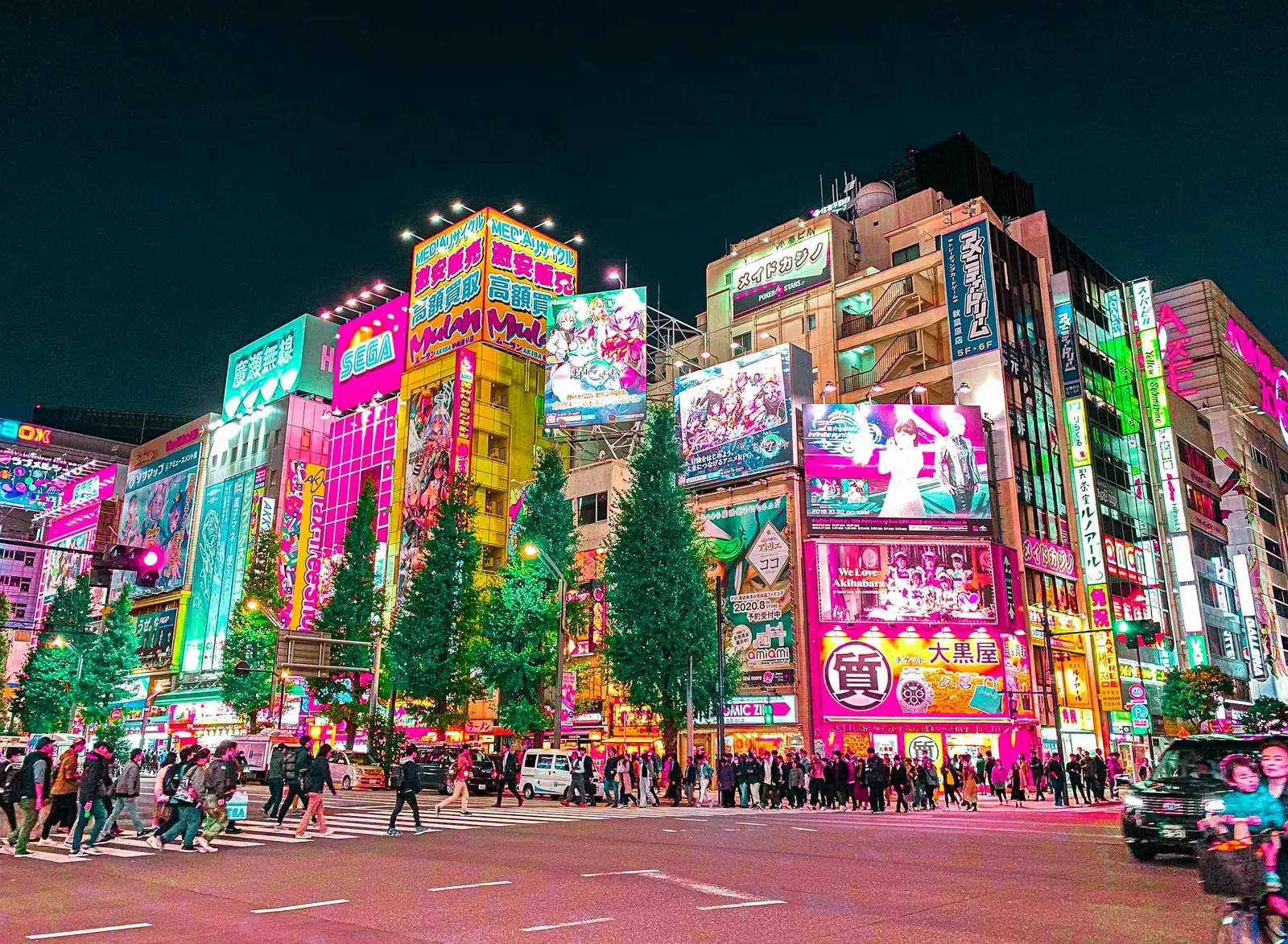
- Day 2 – old Tokyo: Senso-ji in Asakusa, a cruise on the Sumida River, the afternoon in Akihabara. In the evening a traditional izakaya experience (a Japanese tavern serving small dishes).
- Day 3 – modern Tokyo:the Meiji Shrine, Harajuku & Omotesando, Shibuya Crossing, a panoramic view from Shibuya Sky or the Tokyo Skytree.
- Day 4 – culinary Tokyo: the Toyosu fish market in the morning, workshops (making sushi yourself, a sake tasting), and in the evening teppanyaki or omakase sushi.
Day 5: Hakone with a view of Mount Fuji
By Romancecar (the comfortable luxury express train run by Odakyu) directly from Shinjuku to Hakone. A trip around the Hakone Loop: the pirate ship on Lake Ashi, the ropeway over the Owakudani valley, the open-air museum. A night in a ryokan with a private onsen and a view of Mount Fuji – for many of our guests the highlight of the journey.
Days 6–9: Kyoto
- Day 6 – arrival & eastern Kyoto: the Shinkansen from Odawara to Kyoto. In the afternoon: Kiyomizu-dera temple, a walk through the old town of Higashiyama.
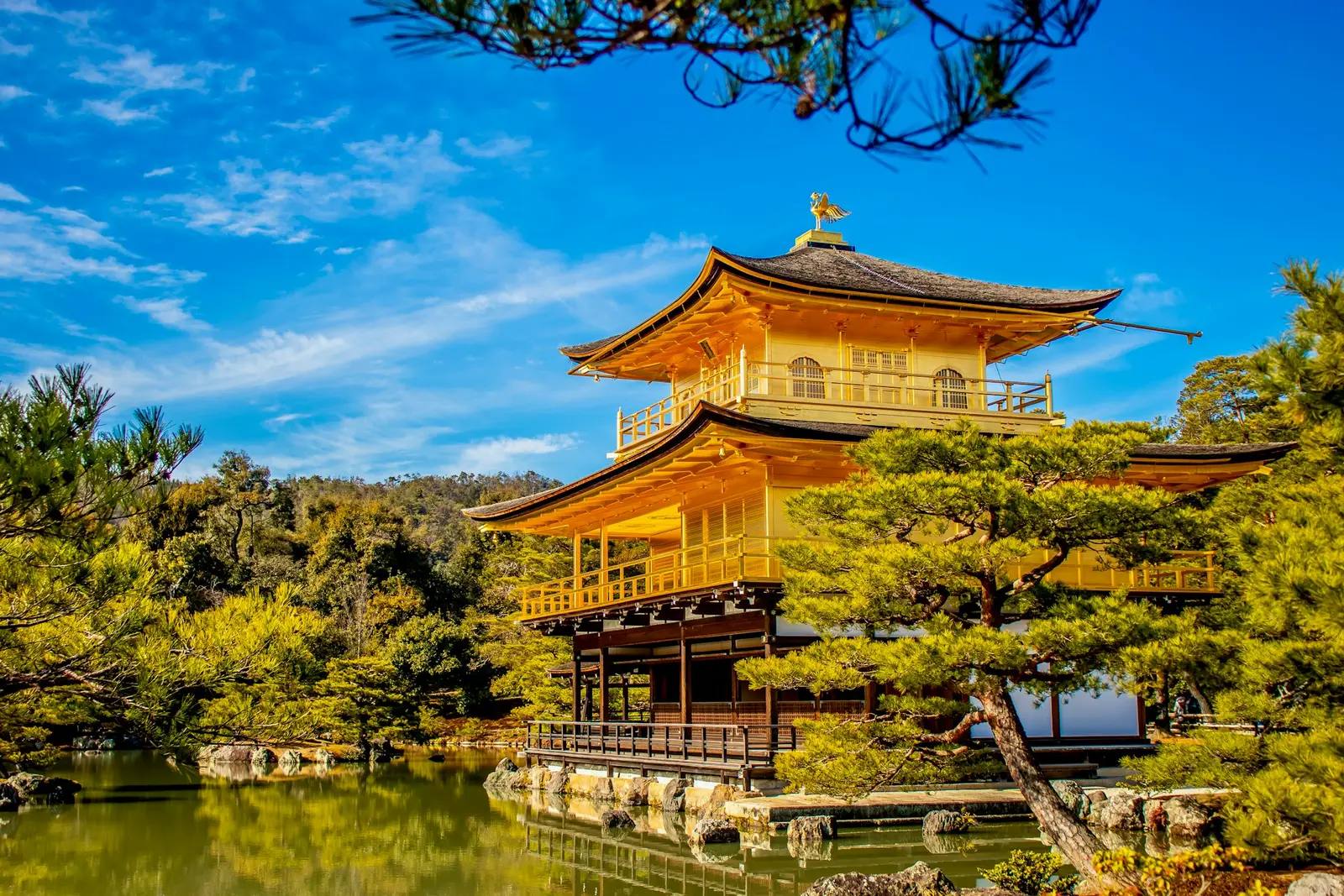
- Day 7 – western Kyoto: the Arashiyama bamboo grove in the early morning (before the crowds), Tenryu-ji, the Saga mountain area, the Golden Pavilion (Kinkaku-ji).
- Day 8 – day trip to Nara: a 45-minute train ride. Todai-ji with the Great Buddha, Nara Park with its free-roaming deer, Kofuku-ji.
- Day 9 – going deeper into the culture: Fushimi Inari in the early morning – the famous Senbon Torii (around 10,000 red gates) almost empty of people, before the tour groups arrive. In the afternoon: Nijo Castle or a samurai/maiko experience.
Day 10: transfer and stopover
In the morning: a quiet start in Kyoto, perhaps a walk along the Philosopher’s Path. In the afternoon the Shinkansen to Hiroshima (about 1 hour 40 minutes). In the evening a harbour izakaya with fresh oysters.
Days 11–12: Hiroshima + Miyajima
- Day 11 – Hiroshima: the Peace Park and the Peace Memorial Museum (emotional, but important). The Hondori shopping street, and for dinner okonomiyaki (Hiroshima style – different from Osaka).
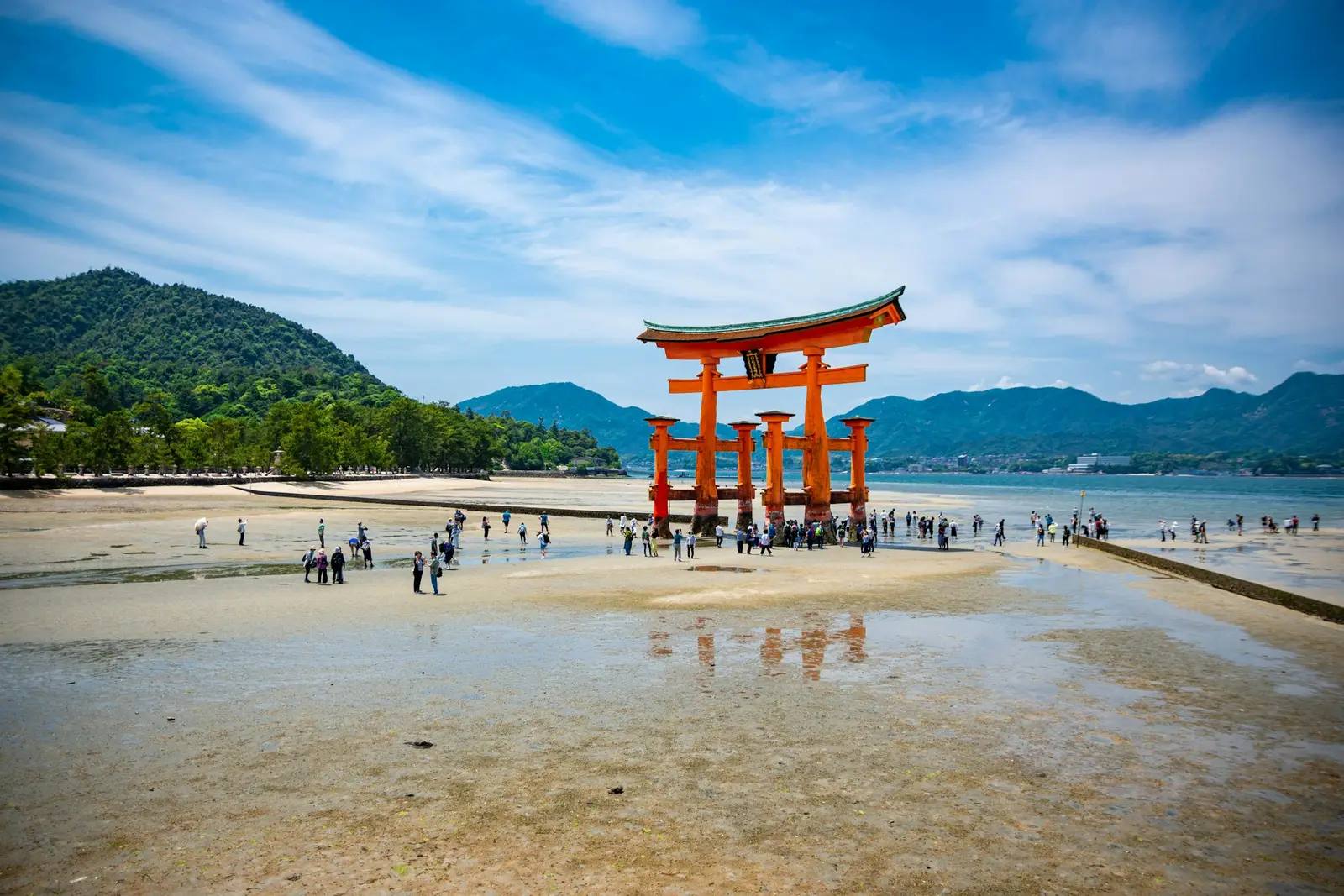
- Day 12 – Miyajima: the ferry to the sacred island. Itsukushima Shrine with the “floating” torii at high tide, the ropeway up Mount Misen.
Days 13–14: Osaka
- Day 13 – experiencing Osaka: Osaka Castle, Dotonbori with its famous neon lights, a street food tour (takoyaki, kushikatsu, okonomiyaki Osaka style).
- Day 14 – farewell: depending on your flight: a last walk in Nakanoshima Park, a last matcha break. Transfer to Kansai International Airport.
Cherry blossom: the perfect 2-week route for the sakura season
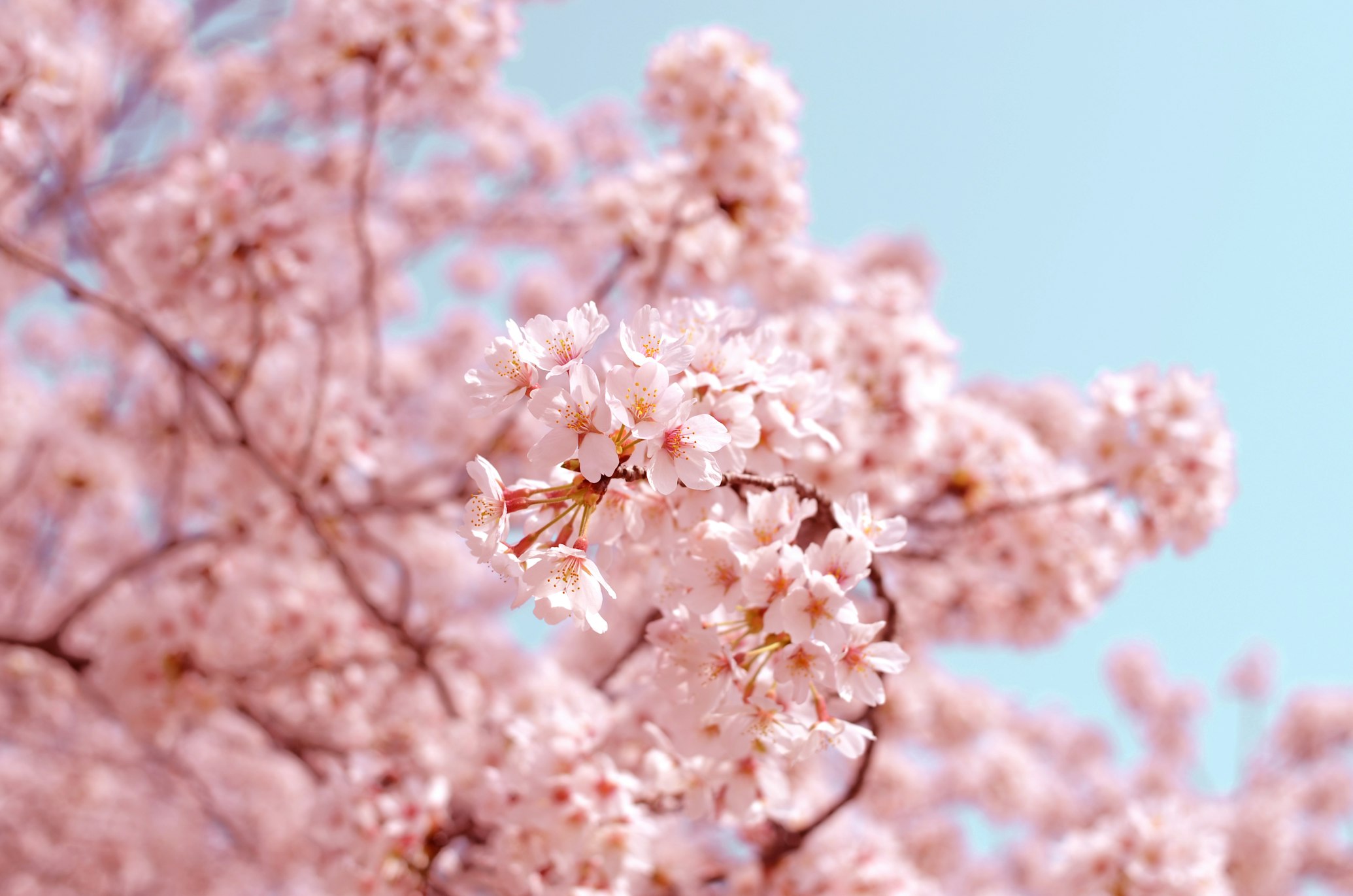
If you would like to visit Japan for the cherry blossom (sakura) – usually from late March to mid-April – the ideal route changes slightly. The classic Golden Route remains the foundation, but the order and the length of stay in each city can be adapted to the wave of blossom. Which blossom periods are usual in each region, when the official forecasts appear and where it stays quieter, we have put together in our article on the cherry blossom in Japan 2027.
What makes the sakura season special
- A short window: the full bloom (mankai) often lasts only about a week in any one place. If you are flexible, you can “follow” it – if your dates are fixed, it is best to plan in a few spots with different blossom phases, so that the journey carries you regardless of the weather.
- Hanami as an art of living: picnics under blossoming trees, often with colleagues, families or student groups. Anyone who takes part once understands why Japan collectively holds its breath in spring.
- A high-season surcharge: hotels and ryokan cost 30–50 % more than in the low season; flights should be secured 4–8 months in advance. You will find a precise breakdown of costs in our article Japan Trip Cost 2026.
Our recommended 14-day route for the cherry blossom season
On a journey from late March to early April, Tokyo and Kyoto blossom almost simultaneously in the long-term average (Tokyo around 24 March, Kyoto around 26 March) – so the order hardly decides whether you see the blossom. More important are one or two buffer days per stop, so that you can react flexibly to the short-term blossom forecast. The following route begins in Kyoto; it can be planned just as well the other way round.
| Days | Stop | Best sakura spots |
|---|---|---|
| 1–4 | Kyoto | The Philosopher’s Path, Maruyama Park, the Heian Shrine, Arashiyama (early in the morning) |
| 5–6 | Nara & Yoshino | Yoshino-yama with its 30,000 sakura trees – Japan’s best-known cherry blossom mountain landscape |
| 7–8 | Osaka | Osaka Castle with its castle garden, Kema Sakuranomiya Park by the river |
| 9–10 | Hakone | An onsen break with a view of Mount Fuji and late mountain sakura – an atmospheric stage in between |
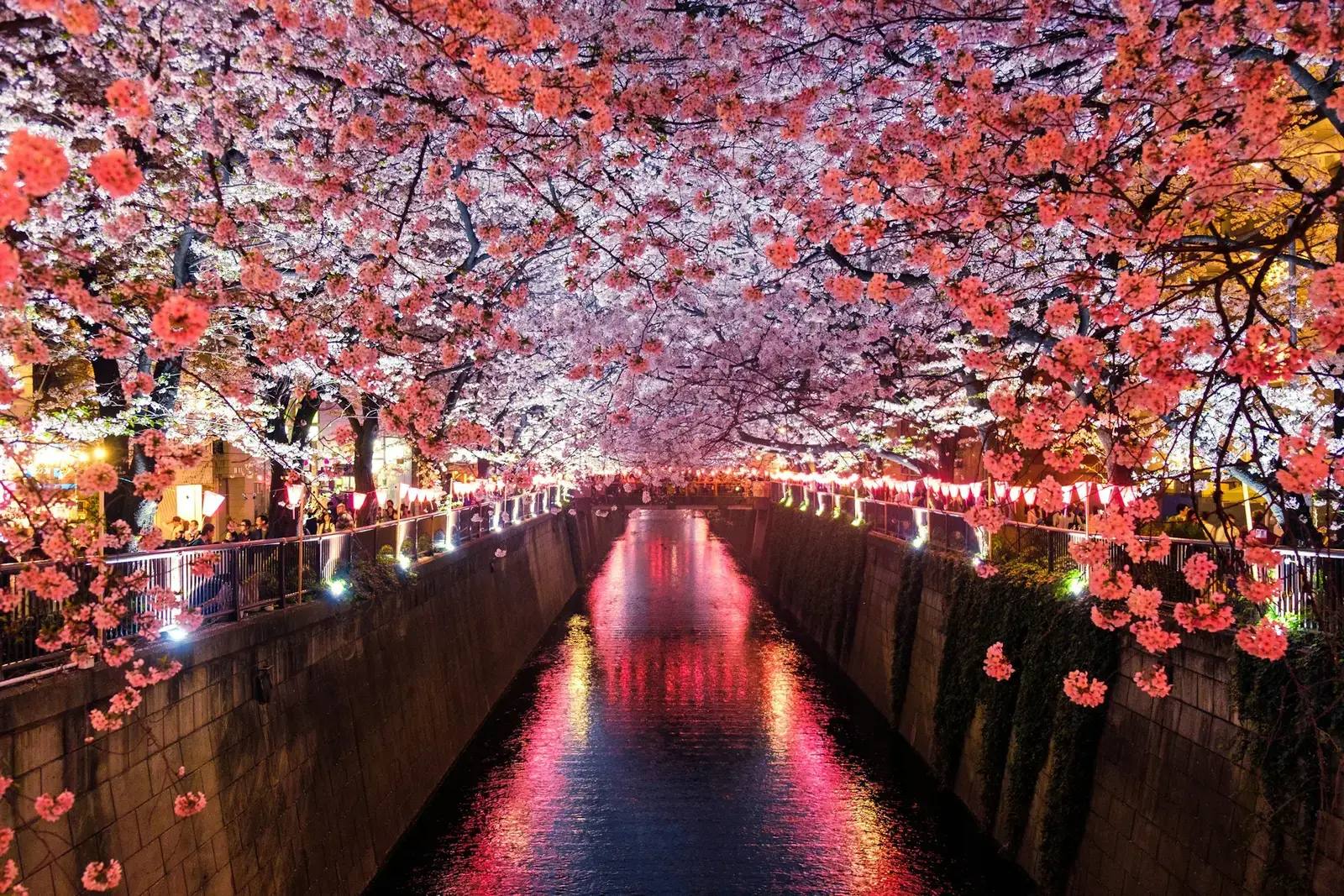
| 11–14 | Tokyo | The Meguro-gawa avenue, Chidorigafuchi at the Imperial Palace, Ueno Park, Shinjuku Gyoen, Inokashira Park |
The sakura front: the art of timing
The cherry blossom front (sakura zensen) travels from south to north: January and February in Okinawa, mid to late March in Kyushu, late March to early April on Honshu, late April to early May in Hokkaido. The Japan Meteorological Corporation publishes its first forecast as early as mid to late December and updates it continuously afterwards. About 10 days before your journey begins you have reliable data – routes can often still be adjusted slightly.
If the dates are fixed and the blossom does not fit: early buds are just as beautiful as full bloom, and “hanafubuki” – the drifting snow of petals as they fall – is one of the most poetic moments in Japanese nature. A journey at the “wrong” sakura time is therefore not a lost journey – it is simply a different one.
Practical points for a cherry blossom journey
- Booking: accommodation 8–10 months in advance, flights 6 months. The top ryokan in Kyoto are often fully booked 12 months ahead.
- Best time of day: early in the morning before 8 a.m. – well-known spots such as the Philosopher’s Path or Chidorigafuchi are then almost empty of people.
- Weather backup: pack an umbrella and a warm jacket – in April Japan can be 5 °C in the morning and 20 °C at midday.
- Train reservations: reserve Shinkansen seats for the Kyoto–Tokyo stretch in advance if you can – otherwise you may end up making the journey standing.
Transport & the Japan Rail Pass
On the Golden Route you travel best by Shinkansen, which connects all the stages along the Tokaido/Sanyo main line; since the price increase the Japan Rail Pass no longer pays off automatically and should be calculated through carefully in advance. Japan’s railway system is the best in the world – punctual to the second, clean, safe. For a 2-week journey, choosing the right transport system is decisive for your budget.
The Japan Rail Pass in 2026: when it still pays off
Since the price increase in October 2023 (about +70 %), the Japan Rail Pass has to be calculated carefully. On the JR Group’s official online sales site the 14-day pass costs 80,000 yen in standard class (about €425–445 depending on the exchange rate, as of July 2026 at around €1 = 185 yen) – the price there remains unchanged for the time being. When bought through agencies abroad it costs 84,000 yen (about €445–470) from 1 October 2026.
| Your route | Without a pass (individual tickets) | Recommendation |
|---|---|---|
| Tokyo ↔ Kyoto ↔ Hiroshima ↔ Osaka (Golden Route) | approx. 45,000–55,000 yen (€240–295) | 7-day pass or individual tickets |
| Golden Route + a Hokkaido/Kyushu extension | approx. 80,000–100,000 yen (€430–535) | 14-day pass |
| Only the Tokyo region or only Kansai | approx. 10,000–20,000 yen (€55–107) | A regional pass is cheaper |
An alternative: regional passes and IC cards
- JR Tokyo Wide Pass: about 15,000 yen (around €80) for 3 days in the Tokyo region including Nikko, Karuizawa and the Fuji area – Hakone is only covered as far as Odawara, because the mountain lines there belong to Odakyu.
- JR Kansai-Hiroshima Pass: about 17,000 yen (around €91) for 5 days in Kansai + Hiroshima.
- Suica/ICOCA (IC cards): rechargeable prepaid cards for all metro lines, buses and konbini (convenience stores) – indispensable in everyday life.
You will find further information on the official Japan Rail Pass website.
Our tip: do the maths carefully
Many travellers buy the pass automatically and lose money in the process. For our guests we work out the alternatives before every journey and recommend what is really cheaper. When in doubt: individual tickets are more flexible – you can change trains spontaneously, whereas the pass ties you to particular trains.
Costs for 2 weeks in Japan (2026)
A 2-week journey costs, depending on your travel style, about €2,500 per person in the economy range, around €5,000 in the comfort range and from €15,000 in the luxury range – in each case per person for two travellers and excluding flights. Costs therefore vary a great deal with your travel style. We deliberately calculate the international flight separately, because its price fluctuates strongly with the season and the moment of booking. Here is a realistic overview per person for two travellers, excluding flights. All amounts are guide values, as of July 2026.
| Category | Economy | Comfort | Luxury |
|---|---|---|---|
| Accommodation (13 nights) | €1,000–1,500 | €2,500–4,000 | €6,000–12,000 |
| Transport (Shinkansen/IC) | €400–500 | €500–700 | €800–1,200 (Green Car / first class) |
| Food (3× a day) | €500–700 | €800–1,200 | €1,500–3,000+ |
| Entrance fees & activities | €200–300 | €400–600 | €800–1,500 |
| Other (SIM card, luggage) | €100–150 | €150–250 | €300–500 |
| Total per person (excluding flights) | approx. €2,500 | approx. €5,000 | from €15,000 |
Where to save – and where you should invest
- Save: lunch in konbini (convenience stores) or local teishoku restaurants (set menus of a main dish, rice and miso soup) – 800–1,200 yen (about €4.30–6.40) for an excellent meal. There is no tipping culture and no hidden surcharge.
- Invest: at least one night in a traditional ryokan with an onsen. It is an experience you will not have anywhere else in the world. Better one night fewer, but the right one.
- Invest: high-quality experiences (a tea ceremony, a tour of the Tsukiji market, omakase sushi) – these are the moments that stay with you.
2 or 3 weeks in Japan? A clear decision aid
One of the questions our guests ask most often: are 2 weeks really enough, or should you plan for 3 weeks? The short answer: both are possible, but each version suits a different kind of traveller.
| Aspect | 2 weeks | 3 weeks |
|---|---|---|
| Experience | The Golden Route, compact | The Golden Route plus one region |
| Pace | Structured, with clear stops | Relaxed, with breaks and rest days |
| Budget per person (excluding flights) | from about €2,500 (comfort €5,000) | from about €3,600 (comfort €7,500) |
| Cost per day (comfort, excluding flights) | around €360 | around €360 |
| Suitable for | First-time visitors, people in work with a holiday limit | Travellers with time, on a sabbatical, in early retirement |
When 2 weeks are the better choice
- You have limited annual holiday and would like to experience the highlights.
- It is your first journey to Japan and you would first like to gain an overview.
- You are travelling with children and want to keep to a familiar pace.
- Your budget is clearly defined and you want to make full use of the comfort range.
When the third week is worth it
- You have the long flight ahead of you once, and would like to make the most of it.
- You would like to go deeper into one region: Kyushu (onsen, volcanoes), Hokkaido (nature, snow) or Kanazawa and the Japanese Alps.
- You are looking for the quiet, original Japan away from the tourist trails.
- You travel more slowly, with time to read in Kyoto, visits to studios, days at an onsen.
If you are flexible, you should take the leap. Many of our guests travel for 18 days and longer – and come back enriched, with the feeling of having only just arrived. You will find a detailed route for 21 days in our article Japan Itinerary 3 Weeks 2026: Golden Route + Kyushu. And if you would like to compare the costs of the two versions directly: Japan Trip Cost 2026.
Practical tips before booking
1. Book early – really early
For a journey during the cherry blossom or in the autumn months we recommend reserving your accommodation 8–10 months before departure. In the high season the best ryokan in Kyoto are often fully booked a year in advance. Even for the low season, a lead time of 3–4 months is worthwhile.
2. Pack light
Japan has excellent luggage forwarding services – the best known is takkyubin (for example from Yamato Transport). A suitcase can be sent from one hotel to the next for about 2,000 yen (around €11) and arrives the same or the following day. That way you travel light on the Shinkansen and enjoy the country more calmly. Where stairs and changes of train play a role, this service is doubly worthwhile – how well stations, trains and accommodation can be used without barriers is something we have put together separately.
3. A mobile internet connection
A mobile Wi-Fi router (called “Pocket Wi-Fi” in Japan, about €6–8 per day) or a Japanese eSIM is essential for navigation, translation and restaurant reservations. On request we are glad to arrange this for you in advance – the device is then waiting at the airport or at your accommodation.
4. The basics of etiquette
- Shoes off in private homes, in some restaurants and in every ryokan.
- Speak quietly on the phone on the train – loudspeakers are taboo.
- Tipping is not customary in Japan and is often politely handed back – the service is already included in the price.
- Paying in cash is still usual in many places – always carry about 20,000 yen (around €107) with you.
5. Seasonal particularities
The season shapes your 2-week route considerably. For the cherry blossom (late March – mid-April) it is best to plan one or two buffer days per stop so that you can react to the short-term blossom forecast – as in our sakura route above. In autumn (November) day trips into the koyo regions of the Alps are worthwhile. In summer we recommend an additional stop in the cooler mountain villages of Kamikochi or Takayama.
You will find further details in our article Best Time to Visit Japan 2026.
Frequently asked questions (FAQ)
How many days do you need for Japan?
For a balanced first journey to Japan we recommend at least 14 days. The classic Golden Route Tokyo–Hakone–Kyoto–Osaka–Hiroshima can be experienced calmly in 12–14 days. If you have less time, it is better to concentrate on fewer stops. If you have more time, you gain enormously: our guests stay 18 days on average, and almost all of them say afterwards that they would have liked to stay longer. You will find more on this in our article Japan Itinerary 3 Weeks 2026.
Is one week in Japan enough?
One week is possible, but short. In seven days you will realistically see Tokyo, Kyoto and perhaps one excursion – the journey there already takes a day and a half, and jet lag takes another. If you are taking on the long flight, you are much better off with 10–14 days. For one week we recommend concentrating on Tokyo and its surroundings instead of chasing the full Golden Route.
Which route is best for 2 weeks in Japan?
The classic Golden Route: Tokyo (4 nights) → Hakone (1 night in a ryokan) → Kyoto (4 nights with a day trip to Nara) → Hiroshima/Miyajima (3 nights) → Osaka (1 night, departure from Kansai). In this way you experience the big city, an onsen, classical Japan, World Heritage and a modern port city – 13 nights in total, arriving in Tokyo and departing from Osaka (Kansai). For a deeper look at the south (Kyushu) or the north (Hokkaido) you need a third week.
Is Japan safe for first-time visitors?
Japan is one of the safest countries in the world. Crime against tourists is extremely rare. The greatest risk comes from natural events – typhoons (August–October) or occasional earthquakes. The “Safety tips” app from the Japan National Tourism Organization (JNTO) gives you warnings in good time.
Do you need to speak Japanese for a journey through Japan?
No, but a few polite phrases help. In Tokyo, Kyoto and Osaka you will get along well with English. Outside the tourist areas, knowledge of English decreases – then Google Translate (with its camera function) and printouts of important addresses in Japanese will help.
Are 2 weeks enough with children?
With children we recommend reducing the pace. Instead of 6 stops, better 4: Tokyo (4 nights) → Hakone (2 nights) → Kyoto (5 nights) → Osaka (2 nights). Children love the Ghibli Museum, Universal Studios in Osaka, the deer in Nara and the snow monkeys in Jigokudani (in winter).
Which travel season is best for 2 weeks in Japan?
The classic Golden Route is ideal in spring (late March–April) or autumn (October–November). The temperatures are mild and nature is spectacular. In summer the cities are hot and humid – then the mountain regions are worthwhile. In winter it is mild in Tokyo and Kyoto, but there is powder snow in Hokkaido.
What should I do if I have more than 2 weeks?
Congratulations. With 3 weeks you can go deeper into the Golden Route and add a region: Kyushu (in the south, rich in onsen), Hokkaido (in the north, nature), Kanazawa and the Japanese Alps (traditional, mountainous). Our detailed guide to this: Japan Itinerary 3 Weeks 2026.
The “Safety tips” app is published by the Japan National Tourism Organization (JNTO).
Further reading
Our conclusion
A 2-week journey through Japan is not a compromise but a deliberate decision in favour of quality. With the right route, the right accommodation and the right pace you experience Japan in all its variety: Tokyo’s pulsating modernity, Kyoto’s timeless elegance, the onsen magic of Hakone, the quiet dignity of Hiroshima and the lively food culture of Osaka.
As your personal travel partner in Japan, we help you design a route that suits you – not a general checklist. Better fewer places, but the right ones. Better one more night in the perfect ryokan than three cities on a list.
We are Japan Privat: a Japan-based tour operator for individual journeys through Japan, advising you in English. If you like, we will plan your journey together.
Ready to plan your 2-week journey through Japan
Tell us about your wishes – travel season, budget, interests. We will put together an individual route for you, free of charge and without obligation.
Book a free 30-minute consultationAbout the author

Kentaro Asakura
Founder of Japan Privat · A Japan specialist who guides you in English
Kentaro Asakura was born and raised in Japan. His student years took him first to the UK, where English became second nature to him, and later to Munich, where he met his wife, who is German – together they returned to Japan. With Japan Privat, he has been designing individual journeys for European travellers for more than ten years – in English, with the eyes of a local and a genuine feel for what guests from Europe are looking for.