Planning a Japan Trip: What to Book When – and What Can Wait
Table of contents
- The timeline at a glance
- Why not everything can be booked at once
- Accommodation: know when sales open
- Flights: from about a year ahead
- Shinkansen and trains: one month ahead
- Imperial villas, Ghibli, sumo, Fuji: fixed sale dates
- Two trips in 2027, worked through
- What can safely wait
- Reserving early does not mean committing early
- The order in which we book
- Frequently asked questions
When to book what for your Japan trip depends less on your travel date than on the day sales open – and in Japan that is arranged differently for almost everything. A ryokan may sell its rooms half a year ahead, the Shinkansen exactly one month ahead at 10:00, the Ghibli Museum on the 10th of the previous month, the imperial villas in Kyoto on the 1st of the month three months ahead. If you know these dates, you do not have to book everything “as early as possible”; instead you know where a particular day matters and where it does not. This timeline arranges the most important bookings from twelve months before departure to the day of travel, and also shows what can safely wait. The examples assume trips in 2027; all dates are as of 23 October 2026.
In brief
- First, accommodation in high season: for the cherry blossom, autumn leaves, Golden Week, Obon and New Year, what counts is the day a property opens your dates. For some that is a year ahead, for many three to six months.
- Then the flight: it can be booked about a year ahead. You can already book flights today for trips until about mid-October 2027.
- Note the fixed sale dates: imperial villas (3 months), Ghibli Park (2 months), sumo (4 to 8 weeks), Shinkansen and Ghibli Museum (1 month). Sales opening at 10:00 in Japan means 1 a.m. in the UK and Ireland, 2 a.m. in summer.
- What can wait: the Shinkansen outside peak days, the Japan Rail Pass, the Kyoto Imperial Palace, most temples, museums and restaurants.
- Booking early is usually low-risk: many properties only charge cancellation fees shortly before arrival. The exceptions are discounted rates, non-refundable tickets and the mountain huts on Mount Fuji.
The timeline at a glance
A year ahead, the flight and the first accommodation open; one month ahead, the railway; in between, every sight that requires a reservation has its own sale date. Read the table from top to bottom like a countdown. The right-hand column names the mechanism, because that tells you whether the day – or even the hour – matters.
| Before departure | What you book | How sales open |
|---|---|---|
| about 12 months | The rough route; flight; ryokan and hotels that sell a year ahead; Shinkansen advance booking via smartEX | The route should be in place before the first windows open. JAL from 360, ANA from 355 days before the return flight. Accommodation: each property sets its own date. smartEX: limited allocation; train and seat only confirmed one month ahead |
| 9–6 months | The most sought-after ryokan for the cherry blossom and autumn leaves (9 months or earlier), premium hotels (6–8 months); luxury trains | Each property opens on its own day; if you know the date, book on the first day. Luxury trains: application deadline about four to ten months ahead depending on the departure, ballot if oversubscribed |
| 6–3 months | Most ryokan and hotels, including for the cherry blossom, autumn leaves, Golden Week, Obon and New Year; good city hotels (4–6 months) | Many properties open three to six months ahead, online at JTB generally no more than 185 days. If you know the date, book on the first day |
| 3 months | Katsura and Shugakuin imperial villas (Kyoto), Nintendo Museum; JR East’s Shinkansen early booking | Villas: on the 1st of the month three months before the month of the visit, 05:00 Japan time, ballot if oversubscribed on the first day. Nintendo Museum: ballot, then any released places in order of booking. JR East: via the Japanese portal eki-net, 14:00 |
| 2 months | Ghibli Park, the moss temple Saihō-ji, Tokyo Disney Resort, teamLab Planets (no fixed rule), main hall of Shuri Castle (Okinawa), mountain huts on Mount Fuji | Ghibli Park: on the 10th two months ahead, 14:00. Saihō-ji: online from two months ahead. Disney: daily at 14:00 for the same day two months later. teamLab: month by month, no fixed published rule. Fuji huts: bookings open in May (2026) for the whole season from July to September, whatever your climbing date |
| 4–8 weeks | Sumo tournaments; cheap domestic fares run short (JAL up to 28 days ahead, ANA up to 45 or 28 days ahead for some fares) | Sumo: general sale on a Saturday at 10:00, usually about five weeks before the tournament, with several ballots beforehand |
| 1 month | Shinkansen and all reserved JR seats, the Sunrise night train, seats with an oversized luggage area, Japan Rail Pass (not earlier on the official website); Ghibli Museum; Tokyo Imperial Palace; noh theatre; many top restaurants (one month or longer, depending on the restaurant) | JR: on the same day of the previous month, 10:00. Ghibli Museum and noh: on the 10th of the previous month, 10:00. Tokyo Imperial Palace: on the 1st of the previous month, 05:00. Restaurants: each has its own date, some several months ahead |
| 2–3 weeks | Kabuki at the Kabukiza; vegan kaiseki menu in a ryokan | Kabukiza: about half a month before the programme. Ryokan kitchen: at least two weeks’ notice, often three to four |
| short notice | Shinkansen outside peak days, Kyoto Imperial Palace, most temples, shrines, museums and restaurants, kabuki single acts | Kyoto Imperial Palace without registration, kabuki single acts from the day before, daily quotas at the imperial villas and the Tokyo Imperial Palace |
In high season, the upper half of the table moves forward while the lower half stays where it is: even for Golden Week, the Shinkansen normally only opens one month ahead, and even in August the Ghibli Museum only opens on the 10th of the previous month. Starting earlier helps little there; being punctual does. Accommodation is different: for the holiday weeks and the cherry blossom, the sought-after properties are often gone on the first day of sale.
Why not everything can be booked at once
In Japan, sales open in five different ways, and each calls for a different approach. If you keep them apart, you know when an early look is enough and when you need an alarm clock.
- A window per provider. Accommodation and airlines sell a certain number of days in advance, and each provider sets that number itself. The booking platform Rakuten Travel states explicitly that each property decides its own sales period.
- A fixed day each month. The Ghibli Museum sells the whole following month on the 10th at 10:00; the Imperial Household Agency opens on the 1st of the month at 05:00. Here, the hour matters.
- Day by day, a fixed distance ahead. Every morning at 10:00, the railway sells the seats for the same day of the following month; every afternoon at 14:00, Tokyo Disney sells the day two months later.
- One date per event. The Japan Sumo Association sets its own sale date for each tournament, the Kabukiza for each monthly programme.
- The ballot. The imperial villas hold a ballot if too many applications come in on the first day. The Nintendo Museum and the sumo pre-sales allocate by ballot first, and the luxury trains hold a ballot if oversubscribed. Here, what decides is not the time of day but the application deadline.
Japan time, your night
All sale times are in Japan time, which is nine hours ahead of the UK and Ireland in winter and eight hours ahead in summer. The most popular opening time, 10:00 in Japan, therefore falls in the middle of the night for you. In the UK and Ireland, summer time in 2027 runs from 28 March to 31 October. If you live in continental Europe, add one hour to the times below.
| Japan | UK & Ireland, winter (GMT) | UK & Ireland, summer | Who opens at this time (selection) |
|---|---|---|---|
| 00:00 | 15:00 (previous day) | 16:00 (previous day) | Flights with JAL |
| 05:00 | 20:00 (previous day) | 21:00 (previous day) | Imperial villas in Kyoto, Tokyo Imperial Palace |
| 09:00 | 00:00 | 01:00 | Flights with ANA |
| 10:00 | 01:00 | 02:00 | Shinkansen and all JR seats, Ghibli Museum, sumo, Kabukiza, noh theatre |
| 13:00 | 04:00 | 05:00 | Main hall of Shuri Castle (Okinawa) |
| 14:00 | 05:00 | 06:00 | Ghibli Park, Tokyo Disney Resort, JR East’s Shinkansen early booking |
For our guests, this is one of the least conspicuous advantages of having a team on the ground: when sales for a peak day open at 10:00, we are at our desks anyway – for you, it is one o’clock in the morning.
Accommodation: know when sales open
There is no common sale date for accommodation in Japan: many properties open three to six months ahead, some a year or more in advance. The tour operator JTB generally offers hotels and ryokan online no more than 185 days before arrival, with individual offers up to 364 days. The temple lodgings on Kōyasan accept bookings through their association up to around 180 days ahead, depending on the offer. The hotel group Hoshino Resorts, by contrast, sells a year ahead, and its Hoshinoya brand even a year and a half. One well-known ryokan in Hakone only takes bookings by telephone, every morning from 09:00, up to the same date the following year; it sells its rooms for the New Year nights from 31 December to 3 January separately, every year on 1 September.
This leads to the most common misunderstanding in planning: a property that appears “fully booked” on a portal eight months ahead is often not full, but simply not on sale yet. We have described this in our cherry blossom guide as well. Conversely, when a sought-after property opens your dates, the first day often counts. For the properties on a route, we therefore note the day they release their rooms and book straight away.
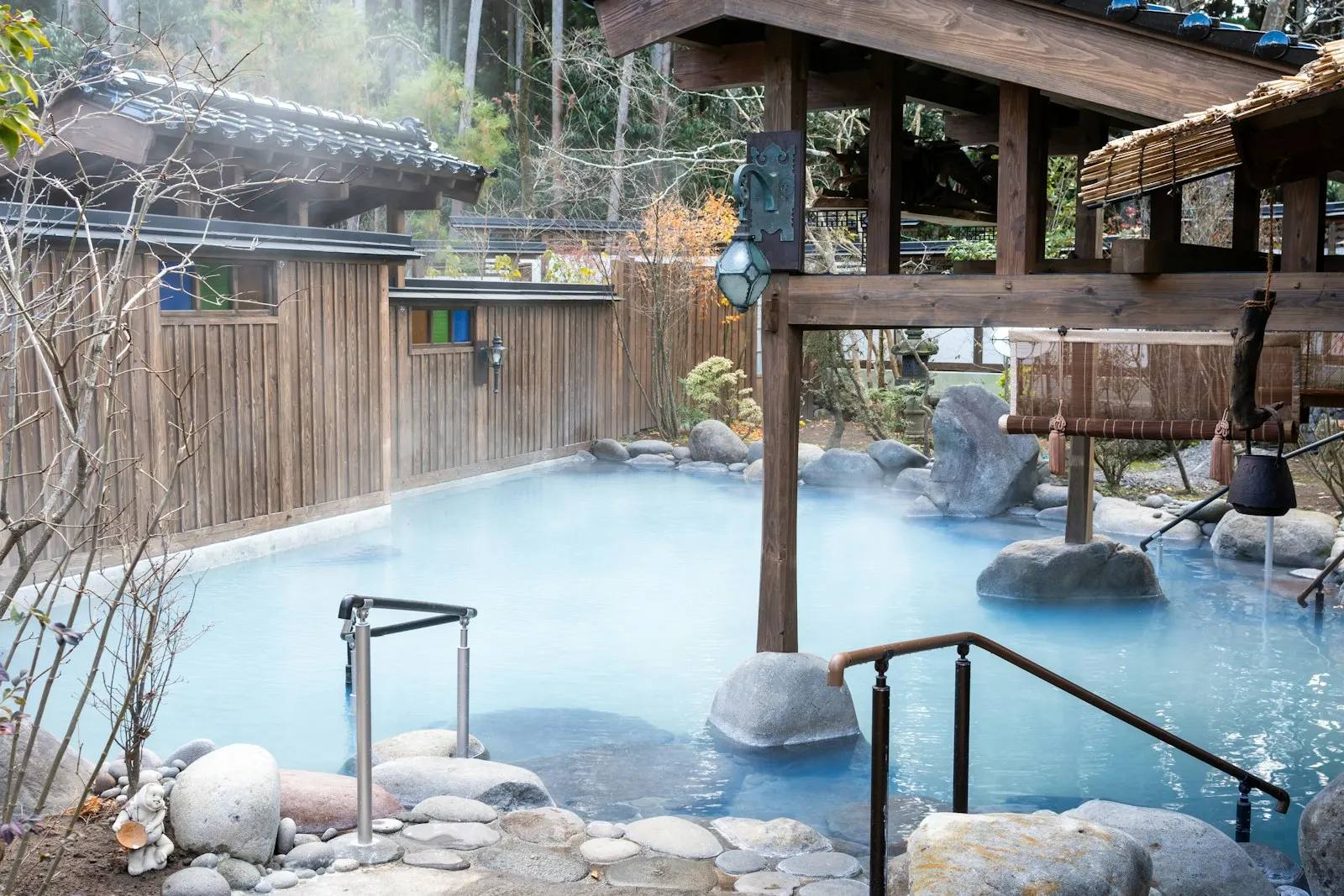
How early in which season
For the cherry blossom and the autumn leaves, approach the most sought-after ryokan nine to twelve months ahead, good city hotels in Tokyo and Kyoto four to six months ahead, and the premium segment rather six to eight. The same applies to Golden Week (2027: 29 April to 5 May), Obon (11 to 16 August) and the turn of the year. What else is crowded or closed in these weeks is explained in our guide to public holidays in Japan. Outside these periods, a few months are often enough. How to choose a ryokan that suits you is covered in our ryokan guide.
The figures of the city’s tourism association show how sought-after high season in Kyoto is. The average room revenue of the large hotels in April 2026 was 31,296 yen, the highest since the statistics began in 2014 and around 1.8 times as much as in January 2026 (17,645 yen). That is an average per room, not the price per person on a portal, but the direction is clear. The association also writes that travellers from Europe and North America often book flights and accommodation more than half a year in advance. If you want to go to Kyoto in autumn, do not think only of the peak of the leaves: for 2026, the association expected occupancy of around 90 percent almost continuously from 2 October to 28 November, and close to 100 percent on the Saturday of the long weekend in October. You will find more on the leaf season in our autumn leaves guide.
In 2027, two major events are added: the horticultural exhibition GREEN×EXPO in Yokohama from 19 March to 26 September, and the World Masters Games in the Kansai region from 14 to 30 May. How much they will fill the hotels in Yokohama, Tokyo, Kyoto and Osaka cannot yet be said.
Sources: Rakuten Travel – booking period (FAQ), JTB – booking period (FAQ), Kōyasan Shukubo Association – FAQ, Hoshino Resorts – booking period (FAQ), Hakone Ginyu – reservations, Kyoto City Tourism Association – hotel report April 2026, Kyoto City Tourism Association – hotel report January 2026, Kyoto City Tourism Association – hotel report August 2026, GREEN×EXPO 2027, Shiga Prefecture – World Masters Games 2027 Kansai
Flights: from about a year ahead
You can book your flight to Japan about a year before the return flight: with JAL from 360 days ahead at midnight Japan time, with ANA from 355 days ahead at 09:00, and with Finnair up to 360 days in advance. The return flight is what counts: a return ticket can only be booked once the last flight also falls within the window. For other airlines we have found no official figure; check the booking calendar directly and expect around eleven to twelve months. As of today, this means that with JAL and ANA you can book trips with a return flight up to about mid-October 2027.
There is no guaranteed day for the lowest fare, and the airlines do not publish figures on it. In our experience, good fares can often be found four to six months before departure. What is certain is when demand rises: for the cherry blossom, which in 2027 coincides with the Easter holidays (Easter Sunday is 28 March), during the European summer holidays, for the autumn colours in November and over the turn of the year. For the cherry blossom, our cost overview recommends eight to ten months’ lead time. If you do not yet have a flight for April 2027, it is best to book as soon as your dates are fixed rather than waiting for a better price.
Domestic flights
Domestic flights with JAL and ANA open in the same window as long-haul flights. The only real hurry is with the cheap fares: JAL sells its “Special Saver” fare until 28 days before the flight, and ANA its “Standard” and “Simple” fares until 45 days, 28 days or 1 day before, depending on when you book and on availability. JAL’s Japan Explorer Pass for travellers resident outside Japan is available until 24 hours before departure, but without changes or refunds. For Okinawa we recommend a changeable fare, because typhoons cancel flights at short notice; more on this in our Okinawa guide.
Sources: JAL – booking from 360 days (press release), JAL – rules for return flights, ANA – booking international flights, Finnair – how far in advance you can book, JAL – domestic fares, ANA – domestic fare Simple, JAL – Japan Explorer Pass
Shinkansen and trains: one month ahead
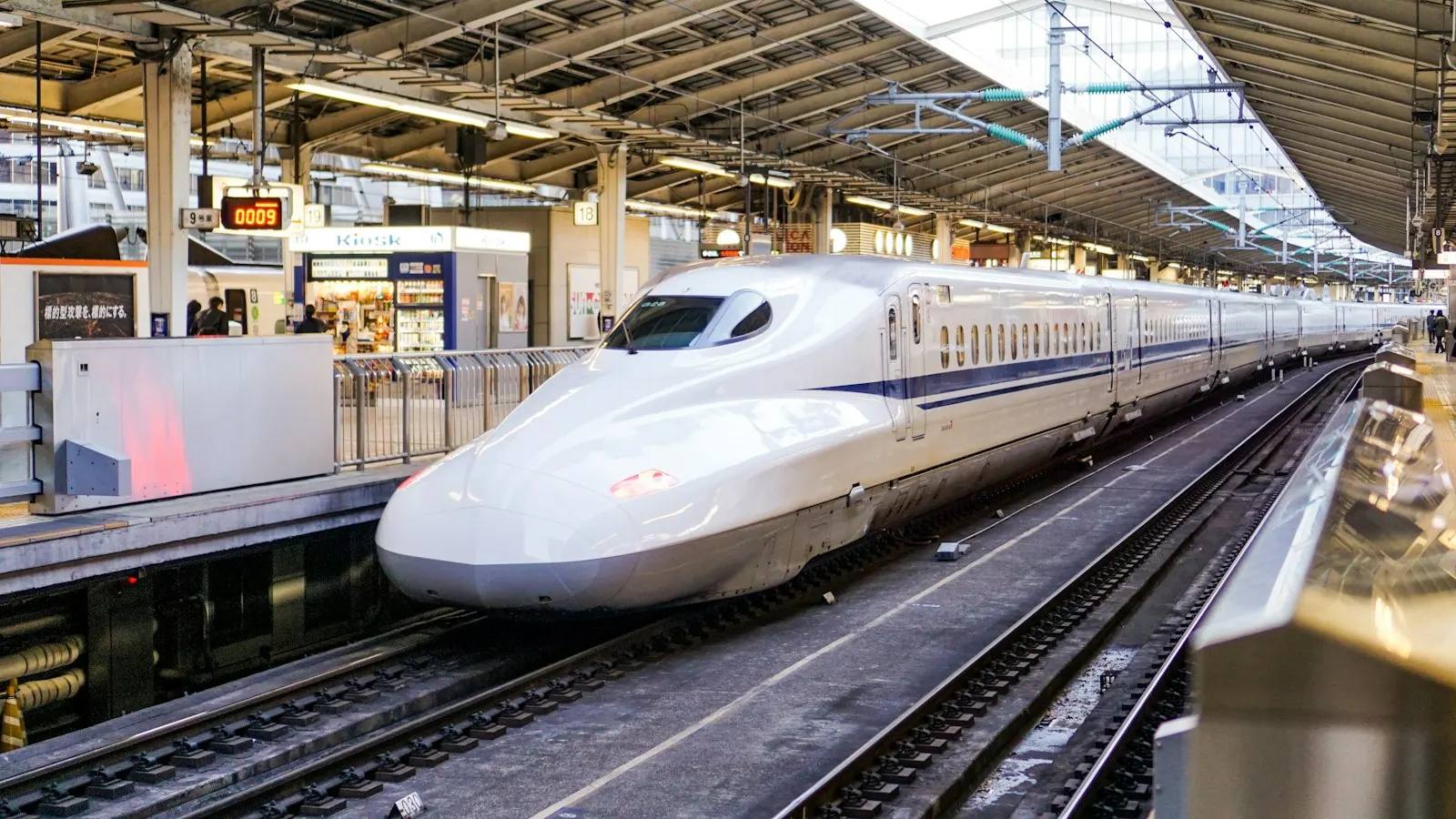
Reserved seats on the Shinkansen and on all JR trains go on sale on the same day of the previous month at 10:00 Japan time – for a journey on 12 November, that means on 12 October. If the previous month does not have that day, sales open on the 1st of the month of travel; for 29, 30 and 31 March, for example, on 1 March. For travellers from abroad, booking earlier is in practice only possible on the Tōkaidō, San’yō and Kyūshū Shinkansen: via smartEX, which also works in English and with foreign credit cards, you can book up to a year ahead from 05:30 Japan time. The allocation is limited, you do not choose the seat yourself, and the train and seat are only confirmed from one month ahead. JR East offers early booking for Hayabusa, Komachi and other trains from three months ahead at 14:00, but only via the Japanese portal eki-net with a member account and with limited seats.
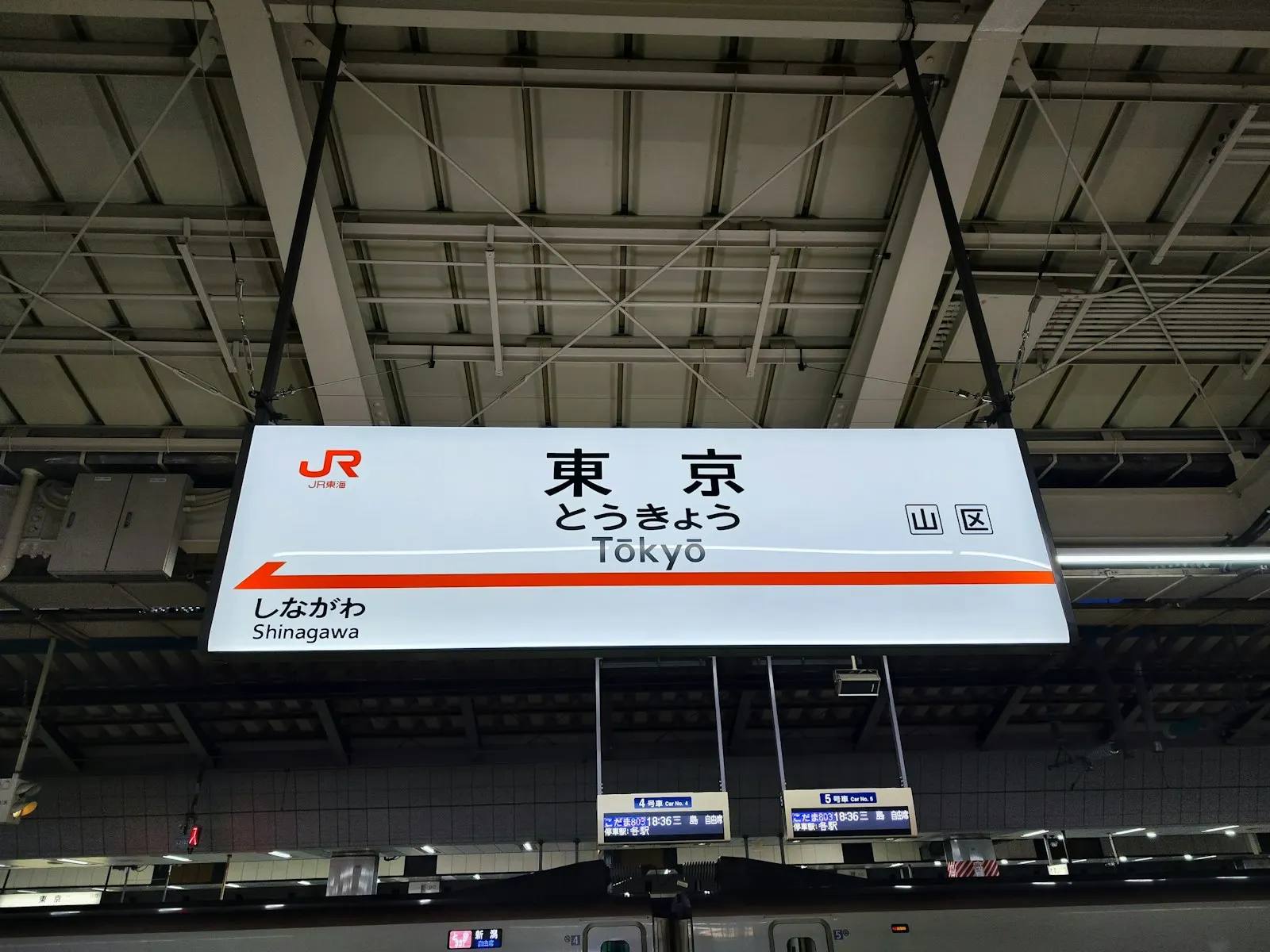
The Nozomi on peak days
On certain days, all Nozomi trains between Tokyo and Hakata run without cars for passengers without a reservation. JR Central has confirmed this up to March 2027 for the long weekend of 21 to 23 November 2026, for the turn of the year from 25 December 2026 to 5 January 2027, and for the long weekends of 9 to 11 January and 20 to 22 March 2027. There is no announcement yet for Golden Week, Obon and the autumn weekends of 2027; in 2026 the rule applied from 24 April to 6 May and from 7 to 16 August, announced on 7 January 2026. Hikari, Kodama, Mizuho and Sakura keep their non-reserved cars. How we arrange trips around these days is explained in our public holidays guide.
Large luggage and the Japan Rail Pass
On the Tōkaidō, San’yō, Kyūshū and Nishi-Kyūshū Shinkansen there is a rule that many travellers only learn about on the platform: if you take a piece of luggage measuring 161 to 250 centimetres in total (length, width and height combined), you must reserve a seat with an oversized luggage area behind the last row of seats. It costs no more than a normal reserved seat; without a reservation, a fee of 1,000 yen is charged. These seats are taken early during Golden Week, Obon and over New Year, so it is best to reserve them together with your seat on the first day of sale.
You do not need to buy the Japan Rail Pass early. On the official website it is only available from one month before the first day of validity, from 04:00 Japan time. If you buy it there, you can reserve seats online from one month ahead at 10:00. An exchange order from a travel agency must be exchanged in Japan within three months of issue. For Nozomi and Mizuho, the pass requires a supplementary ticket that is only available in Japan; the details are in our public holidays guide.
Night train and luxury trains
The Sunrise Izumo and Sunrise Seto night train follows the one-month rule; its private compartments can be reserved via JR West’s English booking site. The luxury trains are quite different: for departures of the Train Suite Shiki-shima from July to September 2027, applications run from 9 October to 14 December 2026, a ballot is held if oversubscribed, and the result comes at the end of January 2027; the train is sold as a package tour. For the Seven Stars in Kyushu, applications for March to August 2027 close on 31 October 2026, again with a ballot if oversubscribed.
Sources: JR West – reservations one month ahead, 10:00, JR Central – Nozomi, EX / smartEX – advance booking up to one year, smartEX (English), JR East / eki-net – early booking from three months, JR East – trains with reserved seats only (English), JR Central – Nozomi rule until March 2027 (PDF), JR Central – Nozomi rule 2026 (PDF), JR Central – oversized baggage, Japan Rail Pass – purchase and reservations (FAQ), Japan Rail Pass – purchase abroad, JR East – Shiki-shima July to September 2027 (PDF), JR Kyushu – Seven Stars March to August 2027 (via PR TIMES)
Booking without a 1 a.m. alarm
Tell us your travel dates. We note when your accommodation, trains and tickets go on sale and book at the Japanese opening time – for us, it is morning.
Request a no-obligation consultationImperial villas, Ghibli, sumo, Fuji: fixed sale dates
Most sights that require a reservation sell between three months and two weeks ahead, and almost all of them on a fixed day at a fixed time. We go through them roughly in the order in which they open; Mount Fuji comes last, because it follows its own rules.
Three months ahead: the imperial villas in Kyoto
Katsura Imperial Villa and Shugakuin Imperial Villa open online registration on the 1st of the month that lies three months before the month of the visit, at 05:00 Japan time; for a visit in November, that means 1 August. If more applications come in on the first day than there are places, a ballot is held; after that, it is first come, first served. Each application covers up to four people, and the date cannot be changed. Katsura costs 1,000 yen from the age of 18 and offers tours in English that are open only to foreign visitors; children of primary school age and younger are not admitted. Shugakuin is free and only open to visitors aged 18 and over. If you do not get a place, you can try on the day of the visit from 08:40 with a waiting ticket; at Katsura, these tours are in Japanese. The Kyoto Imperial Palace itself, on the other hand, needs no registration.
Also three months ahead is the ballot for the Nintendo Museum near Kyoto: for a visit on 15 July, you apply from 1 to 30 April. Places that become free afterwards, for instance through cancellations, are sold by the museum up to two months ahead in order of booking. A new rule applies to the snow monkeys of Jigokudani: since August 2026 there have been online tickets with a fixed date, in winter from December to April their holders have priority, and on busy days entry without a ticket may be refused. More on this in our winter guide.
Two months ahead: Ghibli Park, the moss temple, Disney
Ghibli Park near Nagoya sells the tickets for the month two months later on the 10th of the month at 14:00 Japan time; tickets for January 2027 are available from 10 November 2026. Refunds and changes are not possible. The moss temple Saihō-ji in Kyoto accepts online applications from two months before the visit, for a maximum of two people per application, from the age of 13 and from 4,000 yen. Tokyo Disney Resort sells tickets every day at 14:00 for the same day two months later. teamLab Planets in Tokyo has no fixed published rule; tickets go on sale month by month, and there are none at the door. Important for later trips: Planets is officially open only until the end of 2027. For the interior of the rebuilt main hall of Shuri Castle on Okinawa, reservations for visits from January 2027 open on the 1st of the month two months ahead at 13:00, as we describe in our Okinawa guide.
Four to eight weeks ahead – with ballots before that: sumo
Sumo is the example where being early is not enough. General sales begin four to eight weeks before the first day of the tournament, on a Saturday at 10:00 – usually about five weeks ahead, about eight weeks for the July and November tournaments. Before that, there are several ballots, first in the fan club and then on the ticket portals; whatever is allocated there never reaches the general sale. According to the fan club, all six tournaments in 2024 were sold out, and for the November 2026 tournament there are no tickets left on any day, not even at the box office. Via the English site, each ticket costs a fee of 2,000 yen, it is collected at a Seven-Eleven in Japan, and cancellation is not possible.
| Tournament 2027 | Venue | Tournament days | General sale |
|---|---|---|---|
| January | Tokyo | 10–24 Jan | 5 Dec 2026 |
| March | Osaka | 14–28 Mar | 6 Feb |
| May | Tokyo | 9–23 May | 10 Apr |
| July | Nagoya | 11–25 Jul | 15 May |
| September | Tokyo | 12–26 Sep | 7 Aug |
| November | Fukuoka | 14–28 Nov | 18 Sep |
One month ahead: Ghibli Museum, Tokyo Imperial Palace, restaurants
The Ghibli Museum in Mitaka sells the whole following month on the 10th of each month at 10:00 Japan time, only with a fixed date and a fixed entry time. For 10 April 2027, you therefore buy on 10 March at 1 a.m. UK and Irish time. From abroad, you can buy via the English site of Lawson Ticket or as part of a Sunrise Tours (JTB) bus tour that includes the museum. No tickets are sold at the museum, and it is closed on Tuesdays. How families fit Ghibli and teamLab into the trip is described in our family guide. For the Imperial Palace in Tokyo, registration opens on the 1st of the previous month at 05:00; on the day of the visit, 300 waiting tickets are also issued for each of two time slots. The National Noh Theatre in Tokyo sells on the 10th of the previous month at 10:00, and some performances have English subtitles.
With the sought-after top restaurants, each has its own rhythm, such as “on the 1st of the month at 12:00 for the following month”, and some open their tables several months in advance. Some hold a ballot for a pre-booking right first, many require a credit card and charge cancellation fees from the day before or from a week before. And some accept no guests resident abroad and no bookings through third parties, not even through tour operators like us, while others offer a dedicated route for foreign guests. That is why no one can promise a table at a particular restaurant. How we plan culinary journeys is explained in our culinary guide.
Two weeks ahead: kabuki
The Kabukiza in Tokyo sells about half a month before each monthly programme, the December 2026 programme for example from 14 November at 10:00. The multilingual sales site e-tix charges no fee, but cancellation is not possible. If you only want to see one act, you can get single-act tickets online from 12:00 the day before or at the box office on the day.
Mount Fuji: not before spring
On Mount Fuji, the opposite of the high-season rule applies: the huts only open bookings in spring, for the whole season at once. In 2026, the huts on the Yoshida Trail opened bookings between 1 and 26 May, for a season from 1 July to 10 September; many require payment immediately and charge cancellation fees from the moment of booking, and at least one does not accept bookings from agencies. On the Yoshida Trail, the climb cost 4,000 yen in 2026; the gate was closed from 14:00 to 03:00 and there was a limit of 4,000 people a day, neither of which applied to guests with a hut booking. On the three trails of Shizuoka Prefecture, entry also cost 4,000 yen, plus an online briefing and the obligation to stay overnight in a hut if climbing between 14:00 and 03:00. The rules for 2027 have not yet been published; in 2026, voluntary pre-registration for the Yoshida Trail began on 27 April.
Sources: Imperial Household Agency – visits, Imperial Household Agency – conditions, Katsura Imperial Villa (PDF), Imperial Household Agency – conditions, Shugakuin Imperial Villa (PDF), Imperial Household Agency – Tokyo Imperial Palace, Nintendo Museum – visit flow, Nintendo Museum – ticket page with example (English), Jigokudani Yaen-Kōen – announcement of online tickets, Jigokudani Yaen-Kōen – launch of online tickets (6 August 2026), Jigokudani Yaen-Kōen – priority in winter (home page), Jigokudani Yaen-Kōen – online tickets (English), Ghibli Park – tickets, Saihō-ji – online application, Tokyo Disney Resort – tickets, teamLab Planets, Japan Sumo Association – schedule, Ticket Oosumo (English), Sumo fan club – sold out in 2024, Ghibli Museum – tickets, National Theatre – noh advance sales, OMAKASE – help with reservations, KABUKI WEB – tickets, Yamanashi Prefecture – Mount Fuji 2026, Yamanashi Prefecture – registration for the Yoshida Trail 2026 (PDF), Fuji Climbing – notes for Shizuoka
Two trips in 2027, worked through
For a cherry blossom trip in April 2027, the early dates are already open; for an autumn leaves trip in November 2027, the first ones open in the coming weeks. The table works through two typical trips: from 1 to 14 April 2027 and from 10 to 24 November 2027. The times in brackets are UK and Irish time.
| What | Cherry blossom, 1–14 Apr 2027 | Autumn leaves, 10–24 Nov 2027 |
|---|---|---|
| Flight | Bookable since April 2026 | JAL from 29 Nov 2026, ANA from 4 Dec 2026 (counted from the return flight) |
| Accommodation with a one-year window | Open since April 2026 | Opens from November 2026, day by day |
| Accommodation with a six-month window | Open since October 2026 | Opens from May 2027 |
| Katsura, Shugakuin | 1 Jan 2027, 05:00 (31 Dec, 20:00) | 1 Aug 2027, 05:00 (31 Jul, 21:00) |
| Ghibli Park | 10 Feb 2027, 14:00 (05:00) | 10 Sep 2027, 14:00 (06:00) |
| Sumo | No tournament: Osaka ends on 28 Mar | Fukuoka 14–28 Nov: sale 18 Sep 2027, 10:00 (02:00), ballots before that |
| Ghibli Museum | 10 Mar 2027, 10:00 (01:00) | 10 Oct 2027, 10:00 (02:00) |
| Shinkansen | Journey on 3 Apr: 3 Mar 2027, 10:00 (01:00) | Journey on 12 Nov: 12 Oct 2027, 10:00 (02:00) |
| Nozomi reserved seats only | Not yet announced for April 2027 | Not yet announced for November 2027 |
| Kabukiza | around mid-March 2027 | around mid-October 2027 |
For the cherry blossom, this means: the flight and accommodation are up now, and almost everything else only opens from January. The blossom forecasts only become really reliable about six weeks before the blossom – you cannot wait that long with good properties. So we book the accommodation first and then align the days with the forecasts. For the autumn leaves of 2027: if you have a particular sought-after property in Kyoto in mind, now is the time to find out when it opens its November dates.
What can safely wait
Most of a Japan trip needs no reservation months in advance, and many things need none at all. And if you do not fix everything in advance, you can still respond to the weather or the state of the blossom along the way.
- The Shinkansen outside peak days: apart from the Nozomi on peak days, most trains have non-reserved cars, and on the main lines reserved seats are generally available at short notice too. Only individual trains on the lines to the north and to the Sea of Japan coast, such as Hayabusa and Kagayaki, always run with reserved seats only. What matters is the seat with an oversized luggage area if you have a large suitcase.
- The Japan Rail Pass: on the official website it is only available one month ahead anyway.
- Temples, shrines and museums: most have no reservation system at all; the exceptions are individual special exhibitions and evening illuminations with time slots. The Kyoto Imperial Palace is also open without registration.
- Most restaurants: izakaya, noodle shops and simple eateries need no reservation, or only one at short notice. Several well-known tea houses in Uji take no reservations at all. For vegetarian and vegan restaurants, we recommend reserving for the evening on the same day or the day before.
- Places with a daily quota: the Tokyo Imperial Palace, Katsura Imperial Villa and Shugakuin Imperial Villa issue waiting tickets every day, and the Kabukiza sells single-act tickets from the day before.
- Domestic flights on a flexible fare: these can be booked up to the day of travel; only the discount fares end earlier.
One exception with a short but fixed lead time: if you would like a vegan kaiseki menu in a ryokan, let them know at least two weeks ahead, often rather three to four. More on this in our guide to vegetarian travel.
Reserving early does not mean committing early
On the regular rates of many properties, booking early carries little risk, because cancellation fees often only apply shortly before arrival; with many admission tickets, on the other hand, a purchase is final immediately. There are no uniform fees. The model terms of the Japan Tourism Agency leave the percentages open, and each property fills in its own.
| Example | Cancellation terms |
|---|---|
| City hotel (example) | Day before 20%, day of arrival 80%, no-show 100% |
| Ryokan (example) | 3 to 2 days before 30%, day before 50%, day of arrival 100% |
| Moss temple Saihō-ji | Free up to 4 days before, 3 days to the day before 50%, day of visit 100% |
| Ghibli Park, sumo, Kabukiza | No cancellation or refund after purchase |
| Mount Fuji huts | Fees in some cases from the moment of booking, at one hut 5% upon registration |
Be careful with early-booking offers: discounted rates with prepayment often have stricter terms, and with some offers fees apply from the moment of booking. For your planning, this means: secure accommodation early at the regular rate and refine the route while that is still free of charge; only buy non-refundable tickets once the day is fixed.
Sources: Japan Tourism Agency – model terms for accommodation (PDF), Hotel Metropolitan Morioka – accommodation terms (PDF), Hoshino Resorts – cancellation (FAQ), Taishikan (Mount Fuji) – reservations, Toyokan (Mount Fuji) – start of bookings 2026, e-tix Shochiku – kabuki tickets
The order in which we book
First the accommodation that opens earliest and is scarcest, then the flight, then everything with a fixed sale date, and finally the railway. The order follows scarcity, not the trip itself. For a flight there is almost always an alternative; for a ryokan with eight rooms on New Year’s Eve, rarely.
- Travel period and rough route. Which cities, how many nights, which days fall in high season.
- The scarce accommodation. For each property, the day it opens your dates.
- The flight, as soon as the accommodation that can already be booked is in place. Do not wait for properties that only open three to six months ahead.
- A calendar of sale dates: imperial villas, Ghibli, sumo, restaurants, each with the Japanese time.
- The railway one month ahead – on peak days and with large luggage, on the first day of sale.
If you organise this yourself, you end up with a good dozen dates in your calendar, several of them in the middle of the night UK time. On top of that come properties that only book by telephone, individual offers that, according to their own website, only accept bookings from within Japan, and websites that only work in Japanese. We take on this part for our guests: noting the dates, booking at the Japanese time, making enquiries in Japanese. But we cannot promise anything a property does not allocate either: a sold-out sumo tournament stays sold out, and some restaurants and huts do not accept bookings through third parties.
For most trips, we recommend starting to plan six to nine months before departure, and earlier for the main travel seasons. If your trip is only a few months away, an enquiry is still worthwhile: much of this timeline only opens in the last three months. How we plan a trip from the first conversation to the booking is described in our guide to independent travel.
Sources: Hoshino Resorts – KAI Hakone (English), Munatsuki Edoya (Mount Fuji) – booking terms
Frequently asked questions about when to book
How far in advance should I book a trip to Japan?
That depends on what you are booking. Flights can be booked about a year ahead: from 360 days before the return flight with JAL and from 355 days with ANA. Many ryokan and hotels open their rooms three to six months ahead, sought-after properties a year or more ahead. Reserved seats on the Shinkansen go on sale one month before the journey, admission tickets between three months and one day ahead depending on the place. For most trips we recommend starting to plan six to nine months before departure, and earlier for the cherry blossom, the autumn leaves and the holiday weeks.
What do you need to book in advance in Japan?
Secure accommodation in high season early, especially ryokan, as well as your flight. Fixed sale dates apply to the Katsura and Shugakuin imperial villas in Kyoto, the Ghibli Museum in Mitaka, Ghibli Park, the moss temple Saihō-ji, sumo tournaments, popular top restaurants and the mountain huts on Mount Fuji. You can visit most temples, shrines and museums, the Kyoto Imperial Palace and most restaurants without a reservation.
Do you need to reserve the Shinkansen in advance?
Usually not. Reserved seats go on sale one month before the day of travel at 10:00 Japan time, and except on peak days most trains also have non-reserved cars. Only individual trains on the lines to the north and to the Sea of Japan coast, such as Hayabusa and Kagayaki, always run with reserved seats only. On peak days such as over New Year 2026/27, however, all Nozomi trains between Tokyo and Hakata run with reserved seats only. If you are travelling with a suitcase measuring 161 to 250 centimetres in total, you must reserve a seat with an oversized luggage area on the Tōkaidō, San’yō, Kyūshū and Nishi-Kyūshū Shinkansen.
When do Ghibli Museum tickets go on sale?
On the 10th of each month at 10:00 Japan time, for the whole of the following month – that is 1 a.m. in the UK and Ireland in winter (GMT) or 2 a.m. in summer. For a visit on 10 April 2027, you buy on 10 March 2027. From abroad, you can buy via the English site of Lawson Ticket or as part of a Sunrise Tours (JTB) bus tour that includes the museum. No tickets are sold at the museum itself.
When should I book a ryokan in Japan?
On the day the property opens your dates. There is no single date: many ryokan open their rooms three to six months ahead, the tour operator JTB generally lists accommodation online no more than 185 days ahead, and some properties sell a year or more in advance. A property that appears “fully booked” eight months ahead may simply not have released its rooms yet.
Can you book things in Japan at short notice?
For a lot of things, yes. Outside peak days you can usually get Shinkansen seats at short notice, and there are the non-reserved cars as well. The Kyoto Imperial Palace needs no registration, the Tokyo Imperial Palace and the imperial villas have daily quotas, and kabuki offers single-act tickets from the day before. Most temples, shrines, museums and restaurants need no reservation. At short notice, things get tight above all for accommodation in high season and for tickets with a fixed sale date.
Your travel period is fixed – we set up the booking calendar
Tell us your travel period and what matters to you. We will tell you what can already be booked, when the rest opens and where we would act first for you. We advise you in English, directly from Japan and without sales pressure.
Enquire about your journeyAbout the author

Kentaro Asakura
Founder of Japan Privat · A Japan specialist who guides you in English
Kentaro Asakura was born and raised in Japan. His student years took him first to the UK, where English became second nature to him, and later to Munich, where he met his wife – together they returned to Japan. With Japan Privat, he has been designing individual journeys for European travellers for more than ten years – in English, with the eyes of a local and a genuine feel for what guests from Europe are looking for.
Photos via Unsplash: Fikri Rasyid (cover image), Kouji Tsuru (open-air bath), Dmitry Romanoff (platform in Tokyo). The images have been cropped and reduced in size for the web.